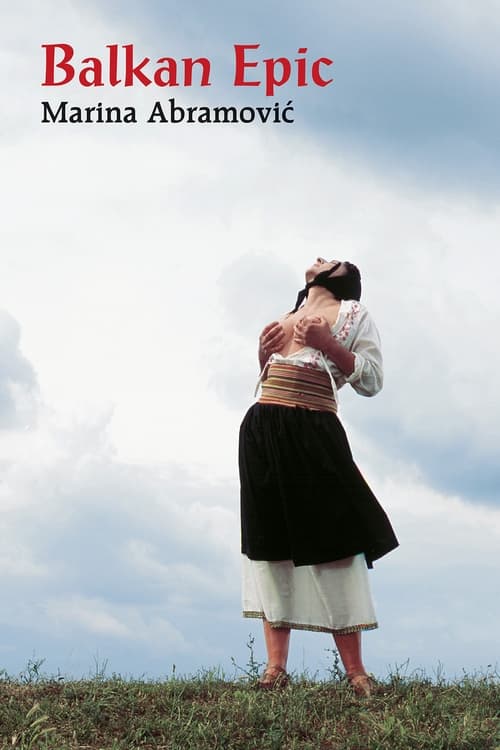
Balkan Erotic Epic - Single Channel Version
2005
No user ratings available yet
Representation score: 6.6 out of 10
Representation Score
Good
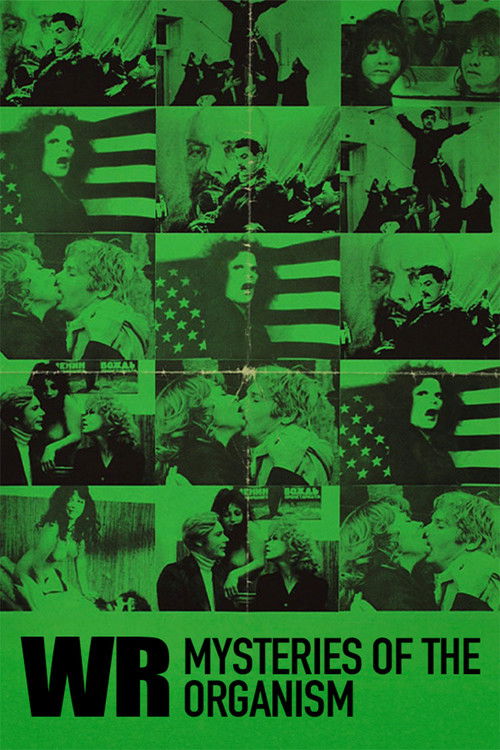
1971
Not RatedDirector
Dušan Makavejev
Runtime
85 minutes
Average Rating
No ratings yetNew Showbiz Analysis
Dušan Makavejev’s work dismantles traditional social and political structures. By connecting biological freedoms to political liberation, the film uses sexual autonomy as a means for both individual and societal freedom. The film stands out in its challenge to conventional gender roles and its critical stance on institutional authority. It shifts from passive representations of femininity to active, autonomous experiences. While the film provides a unique non-Western perspective, its focus on Slavic identities limits its broader impact on racial and ethnic diversity.
Category Breakdown
The film challenges traditional views by examining the mechanics of pleasure and exploring diverse sexualities. It uses a modern perspective to highlight the complexity of human sexuality.
The story emphasizes the autonomy of the female protagonist and the realities of the female body. It focuses on her active role and challenges the traditional male perspective.
The film offers a non-Western viewpoint through its Yugoslavian roots. However, the predominantly Slavic cast limits its representation of diverse ethnicities.
The film critiques Western institutions, capitalism, and religious morality. It portrays personal liberation as a rebellion against systemic control.
There is no significant evidence regarding the portrayal of visible or invisible disabilities within the film.
Present on Screen
Limited or Absent
Official Synopsis
What does the energy harnessed through orgasm have to do with the state of communist Yugoslavia circa 1971? Only counterculture filmmaker extraordinaire Dušan Makavejev has the answers (or the questions). His surreal documentary-fiction collision begins as an investigation into the life and work of controversial psychologist and philosopher Wilhelm Reich and then explodes into a free-form narrative of a beautiful young Slavic girl’s sexual liberation.
2005

2006
1967
1976
1964
1971
1970
1971
No reviews yet. Be the first to share your thoughts on this movie!
Use the rating form above to leave a star rating and optional review.