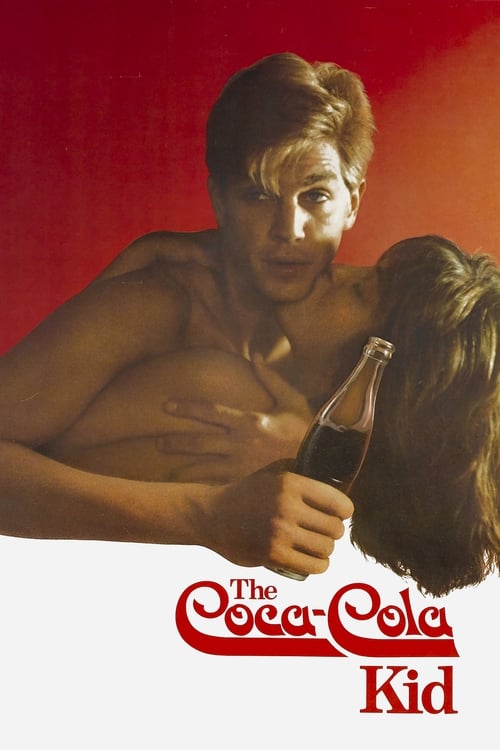
The Coca-Cola Kid
1985
No user ratings available yet
Representation score: 5.4 out of 10

Representation Score
Good
1988
RDirector
Dušan Makavejev
Runtime
96 minutes
Average Rating
No ratings yetNew Showbiz Analysis
Manifesto is a sophisticated film that combines identity politics with political critique. It effectively challenges systemic norms by framing the disruption of the status quo as essential for human progress. The film excels in its deconstruction of traditional hierarchies, particularly regarding gender and institutional authority. By prioritizing bodily autonomy and moral relativism, it positions individuals in direct opposition to the collective state. While the film offers a rich multi-ethnic tapestry, it lacks specific representation regarding disability.
Category Breakdown
The film challenges the assumption that everyone is straight or cisgender by emphasizing sexual liberation as a key driver of personal empowerment. It explores non-traditional sexual expressions as ways to break down established social norms.
The film subverts traditional gender hierarchies by highlighting female sexuality as a source of political and personal empowerment. Women are shown as active participants in the breakdown of conventional social structures.
Set in Yugoslavia, the film presents a nuanced, multi-ethnic cast that reflects the organic needs of the socio-political landscape. The casting avoids including diverse characters merely as tokens, ensuring authentic representation.
The film offers a critical look at Western institutions like capitalism and organized religion, portraying them as restrictive. It embraces moral relativism and secular viewpoints, challenging traditional moral frameworks.
The film explores various human conditions and socioeconomic struggles. However, there are no characters defined by visible or invisible disabilities to provide a meaningful score.
Present on Screen
Limited or Absent
Official Synopsis
In a small European country, the king is scheduled to visit a small, quiet and "safe" village. It turns out that while the village may indeed be small, it's neither as quiet nor as safe as it's expected to be.
1985
1965

1981
1996
1982
1990
1986

1999
No reviews yet. Be the first to share your thoughts on this movie!
Use the rating form above to leave a star rating and optional review.