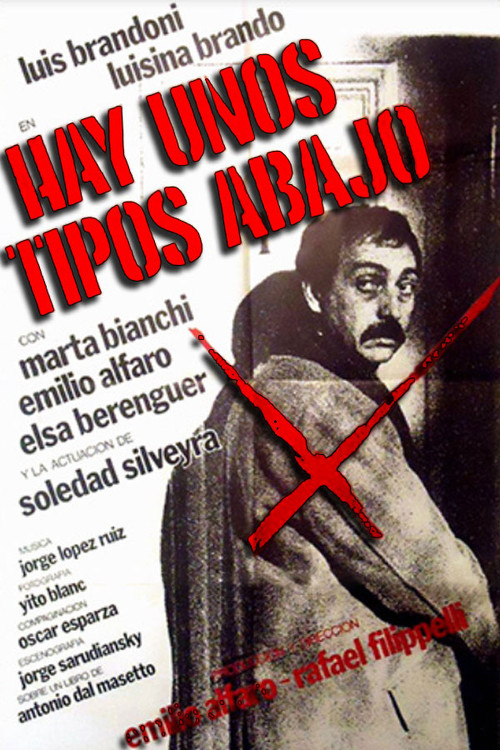
There Are Some Guys Downstairs
1985
No user ratings available yet
Representation score: 4.4 out of 10
Representation Score
Limited
2019
Director
Hugo Giménez, Farhan Rana Rajpoot
Runtime
87 minutes
Average Rating
No ratings yetNew Showbiz Analysis
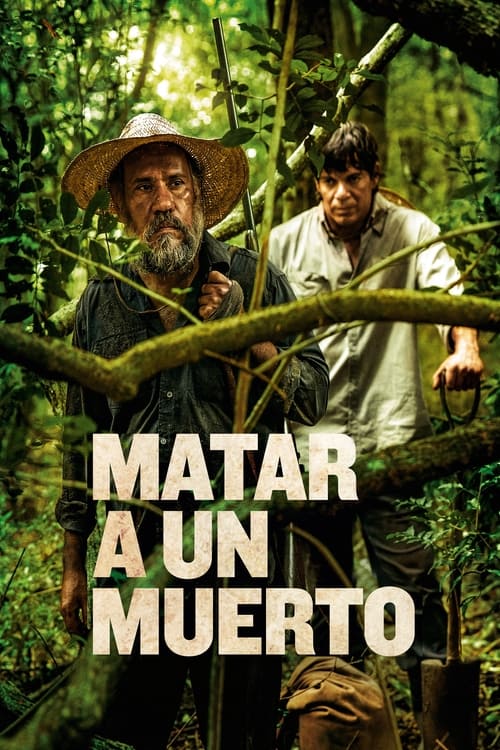
Killing the Dead is a political thriller that focuses on systemic issues rather than individual heroics. It avoids idealized or sanitized versions of history, concentrating instead on the everyday complicity within a dictatorship. The film effectively critiques state authority from a cultural perspective. By analyzing the mechanisms of state-sponsored violence through a local lens, it provides a nuanced view of institutional oppression. However, the film falls short in representing diverse gender perspectives, LGBTQ+ identities, and disabilities.
Category Breakdown
The film does not include any LGBTQ+ characters or stories. The plot centers on the political and existential struggles of the main trio.
The story is predominantly male-focused, reflecting the historical political context. It lacks strong roles for women and does not challenge traditional gender power dynamics.
By focusing on a Paraguayan setting, the film presents a non-Western viewpoint. It challenges Eurocentric dominance by highlighting South American historical suffering.
The film critically examines oppressive political systems. It highlights the dehumanizing impact of state power and the complicity of individuals within those systems.
There is no specific depiction of physical or neurodivergent disabilities in the film.
Present on Screen
Limited or Absent
Official Synopsis
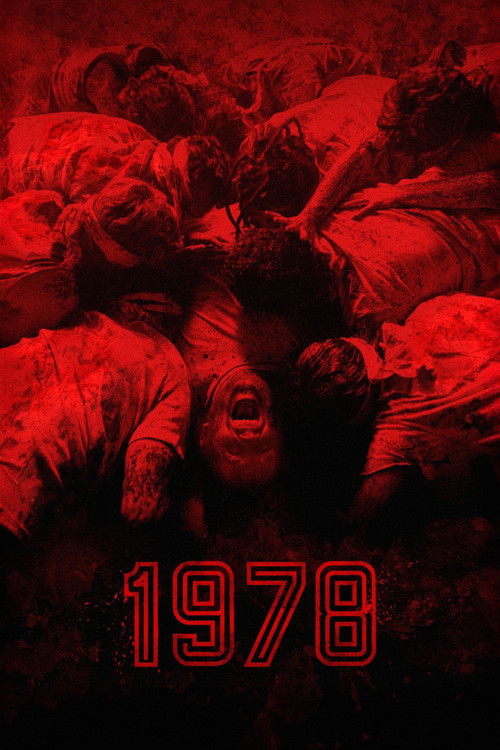
Paraguay 1978, during Stroessner’s dictatorship, Pastor and Dionisio work burying bodies illicitly. In Argentina, the World Cup is being held. One morning, among the bodies, they find Mario, who is still alive. They know they must kill him but the problem is: in spite of what they are doing, they have never killed anyone before. A storm indicates that the winter is coming while the destiny of the three men is determined during the World Cup final. Both Pastor and Dionisio are the last link of a chain in the terrible system that has as a result in all the missing people.
1985
2020
2006
2016

2022
2025
2016

2024
No reviews yet. Be the first to share your thoughts on this movie!
Use the rating form above to leave a star rating and optional review.