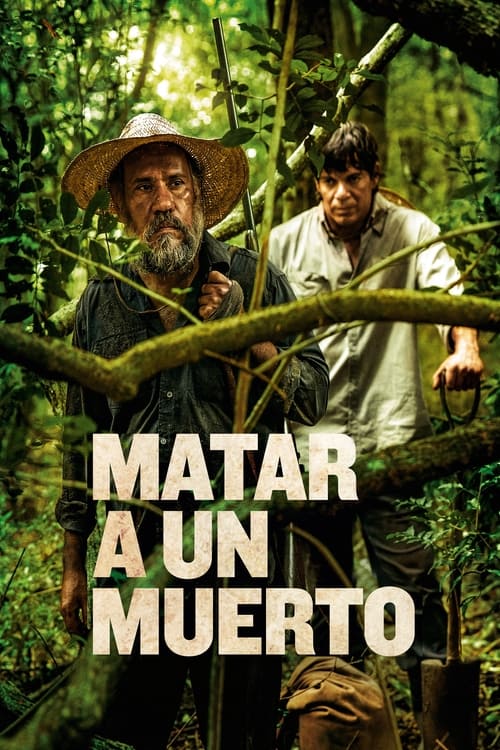
Killing the Dead
2019
No user ratings available yet
Representation score: 3.7 out of 10

Representation Score
Fair
2006
RDirector
Adrián Caetano
Runtime
103 minutes
Average Rating
No ratings yetNew Showbiz Analysis
Chronicle of an Escape is a visceral work of social realism that prioritizes the struggle of the disenfranchised against state-sanctioned violence. Its strength lies in its sophisticated deconstruction of institutional power and its focus on the lived experience of those affected by systemic terror. However, the film is heavily limited by its narrow demographic focus. The narrative architecture is almost entirely centered on masculine-centric survival, leaving little room for diverse gender expressions or LGBTQ+ identities. Ultimately, the film succeeds as a political critique of authoritarianism but remains a traditional, male-dominated character study in its social composition.
Category Breakdown
The film focuses almost exclusively on hyper-masculine environments and male bonding. There is no depiction of same-sex intimacy or non-assuming gender matches what was assigned at birth identities in the main storyline.
The narrative adheres to traditional masculine archetypes, emphasizing the physical and psychological endurance of men. It does not present feminine or non-binary perspectives.
The film centers characters from urban margins, prioritizing socioeconomic class over explicit racial categorization. This social realism provides a nuanced look at identity through the lens of state violence.
The film critiques state institutions by portraying the military as instruments of terror. It aligns with anti-authoritarian frameworks by deconstructing the myth of the state as a protector.
Physical trauma and the psychological impact of torture are central to the story. While characters face extreme physical degradation, the narrative does not center neurodivergence or permanent disability as identity markers.
Present on Screen
Limited or Absent
Official Synopsis
The true story of four men who narrowly escaped death at the hands of Argentina's military death squads in 1977. Claudio Tamburrini is a goalie for a minor-league football team when he is abducted by members of the Argentine military police and taken to an unofficial detention center on the false suspicion that he is a terrorist. As he is tortured by intelligence agents looking for information he doesn't have, Tamburrini fully expects to be killed. After many sessions of brutal torture, Tamburrini and his fellow captives Guillermo and Tano are being readied for execution when, in a final desperate act, Tamburrini dives out a window during a rainstorm.
2019

2020
1973

1997

2024
2006

2017
1987
No reviews yet. Be the first to share your thoughts on this movie!
Use the rating form above to leave a star rating and optional review.