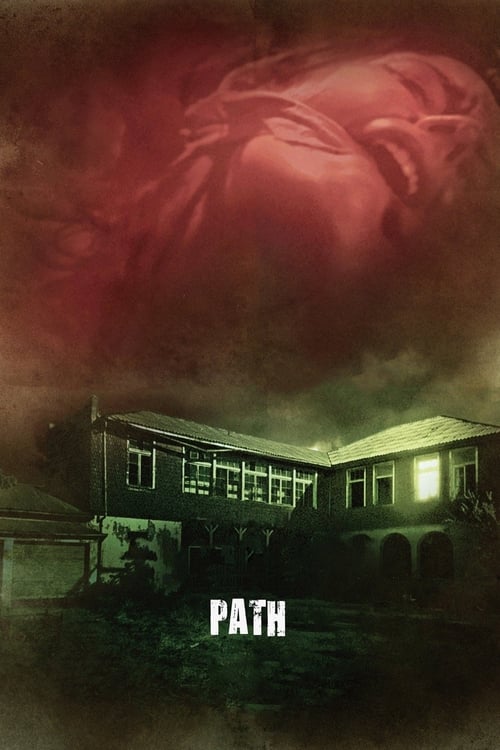
Path
2015
No user ratings available yet
Representation score: 4.1 out of 10

Representation Score
Limited
2017
RDirector
Lucio A. Rojas
Runtime
106 minutes
Average Rating
No ratings yetNew Showbiz Analysis
The film grounds its horror in the specific historical and cultural context of Chile. By linking the antagonists to the country's dark political history, it transcends typical genre clichés to address systemic trauma and institutional failures. However, the demographic range is limited. There is no representation of LGBTQ+ individuals or characters with disabilities, focusing instead on a narrow survivalist theme. While the cultural depth is strong, the lack of diverse identity markers keeps the overall score moderate.
Category Breakdown
The film does not include any LGBTQ+ characters or explore non-traditional gender identities. The story focuses solely on the survival of the main group and their interactions.
Gender roles are defined by the survivalist horror scenario. Despite the breakdown of social structures, there is little indication of women taking active roles to challenge traditional male dominance.
The story is set in a Chilean context, offering a perspective that moves away from Western-centric views. This localized environment provides a meaningful contrast to the usual homogeneous casting in mainstream horror.
The film critically examines systemic oppression by tying the antagonists to Chile's most troubled historical periods. It delves into how state-sponsored violence creates enduring, harsh legacies.
Characters with visible or invisible disabilities are not shown to have significant control over their situations. Disability is not a key part of the narrative.
Present on Screen
Limited or Absent
Official Synopsis
Four friends visit a rural locality of Chile, are brutally attacked by a man and his son. After not finding help in the town, they decide to confront these men with the help of a pair of policemen. But in this way, they will discover that their attackers have in their blood the direct legacy of the darkest period of Chilean history and will have to face the most brutal enemy.
2015
2020

2018

2019
2010

2018
2018

2006
No reviews yet. Be the first to share your thoughts on this movie!
Use the rating form above to leave a star rating and optional review.