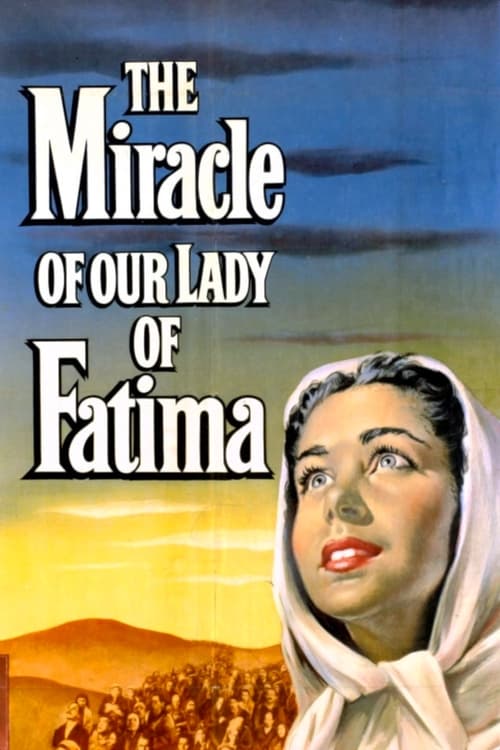
The Miracle of Our Lady of Fatima
1952
No user ratings available yet
Representation score: 1.0 out of 10
Representation Score
Minimal
2018
PG-13Director
Brian Alexander Jackson
Runtime
96 minutes
Average Rating
No ratings yetNew Showbiz Analysis
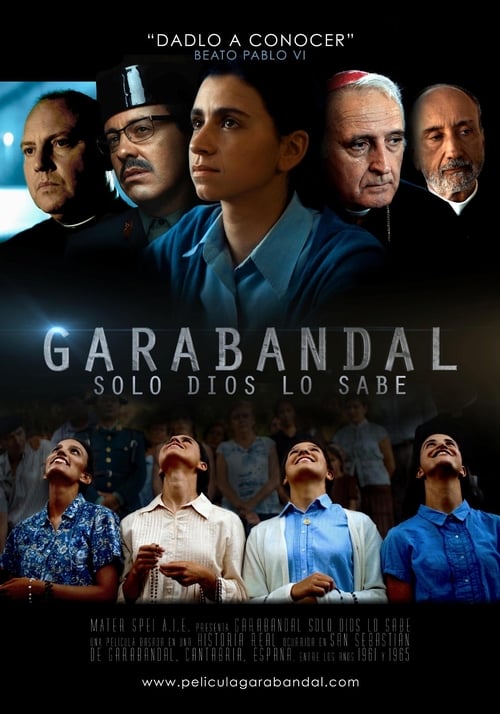
Garabandal: Only God Knows is a period drama that focuses on religious history and the preservation of local heritage. The narrative structure revolves around a specific historical event in 1961 Spain, emphasizing spiritual apparitions rather than social commentary. The film upholds established institutional hierarchies, particularly those of the Church and the State. By focusing on traditionalist values, the story avoids challenging social hierarchies or mid-century norms. Overall, the production offers a homogeneous cultural experience. It serves as a niche project aimed at depicting a localized religious phenomenon rather than a diverse or progressive cinematic work.
Category Breakdown
The film follows a traditional mid-20th-century social framework and does not include any LGBTQ+ characters or narratives, avoiding criticism of the assumption that everyone is straight or cisgender.
Four young girls play a key role in driving the central conflict, providing them with narrative ability to act. However, male figures such as the priest and brigadier maintain institutional authority.
The story depicts a homogeneous community in rural Northern Spain. The cast reflects the specific demographic realities of the region in 1961.
The narrative emphasizes Christian morality and spiritual traditions. It centers on established religious orders rather than secular or anti-institutional themes.
The film contains no mention of characters with visible or invisible disabilities.
Present on Screen
Limited or Absent
Official Synopsis
June 18, 1961. In a small village in Northern Spain, San Sebastián de Garabandal, four girls, Conchita, Jacinta, Mari Loli, and Mari Cruz, claim that St. Michael and the Virgin Mary have appeared to them. The village's parish priest, Fr. Valentín, and the Civil Guard brigadier, Mr. Juan Álvarez Seco, suddenly become protagonists in an overwhelming event.
1952

1943
2017
2020
1982
1961
1995
1955
No reviews yet. Be the first to share your thoughts on this movie!
Use the rating form above to leave a star rating and optional review.