The Rosa Parks Story
2002
No user ratings available yet
Representation score: 8.0 out of 10
Representation Score
Limited
1997
PG-13Director
Joseph Sargent
Runtime
114 minutes
Average Rating
No ratings yetNew Showbiz Analysis
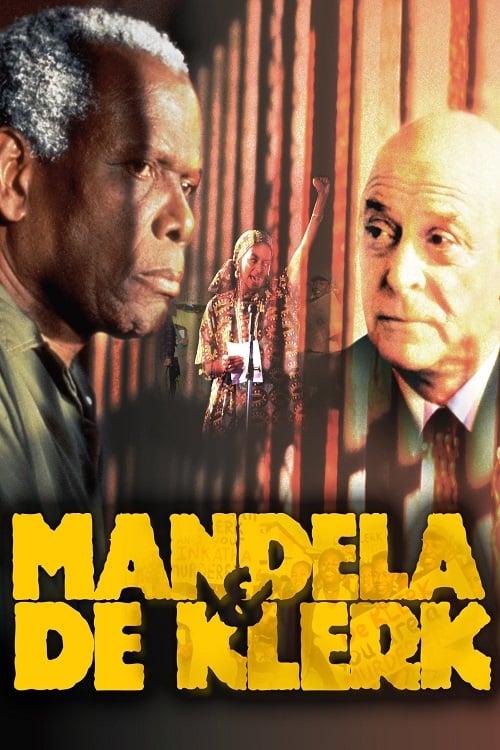
Mandela and de Klerk is a significant historical drama that centers the ability to act of Black South Africans, disrupting colonial-era storytelling. Its primary strength lies in its robust racial and cultural analysis, effectively deconstructing the apartheid regime as the engine of the plot. However, the film is limited by the traditional gender roles of its period and a total lack of LGBTQ+ visibility. The narrative reflects a heavily male-centered view of political negotiation during the South African transition. Ultimately, the film succeeds as a cinematic study of post-colonial transition, focusing on the collapse of oppressive institutional norms and the shift of power toward a representative majority.
Category Breakdown
The film focuses solely on the political and historical realities of South Africa's transition. There is no visible presence of LGBTQ+ identities or queer subtext within the central political maneuvering.
The narrative reflects the male-dominated statecraft of the era. While Winnie Mandela appears, she functions in a supporting role rather than driving the central diplomatic arc of the film.
The film excels by centering Nelson Mandela’s struggle and granting immense ability to act to Black South African characters. Sidney Poitier’s casting adds significant gravitas to the representation of the oppressed majority.
The story provides a profound critique of institutionalized oppression through its depiction of the apartheid system. It emphasizes the shift from a racialized state to a multiracial democracy.
There are no prominent depictions of physical or neurodivergent disabilities that serve as central narrative drivers in this historical context.
Present on Screen
Limited or Absent
Official Synopsis
Sidney Poitier and Michael Caine both received Emmy nominations for their performances in this made-for-TV movie. The plot follows Nelson Mandela's 27-year struggle to end apartheid.
2002
1987
1984
1990
1988
2007

1992

2011
No reviews yet. Be the first to share your thoughts on this movie!
Use the rating form above to leave a star rating and optional review.