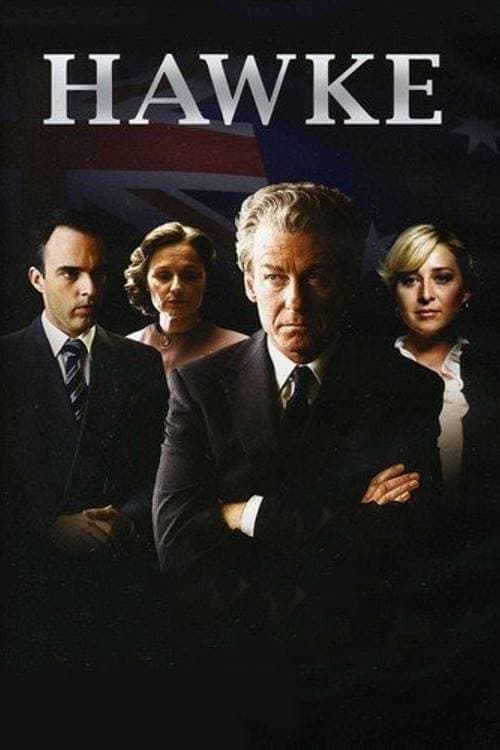
Hawke
2010
No user ratings available yet
Representation score: 1.3 out of 10
Representation Score
Minimal
2009
PGDirector
Thaddeus O'Sullivan
Runtime
100 minutes
Average Rating
No ratings yetNew Showbiz Analysis
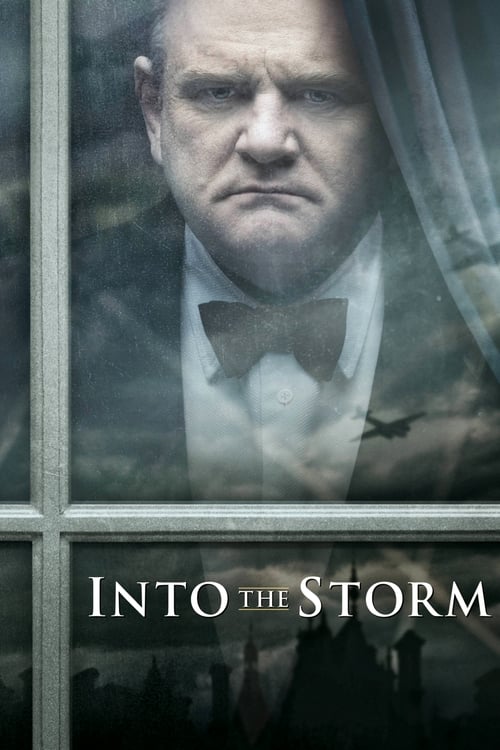
Into the Storm is a traditional historical biography that prioritizes the study of established power structures and classical leadership clichés. It functions as a conventional period piece, focusing on the preservation of the state and the personal struggles of Winston Churchill. The film examines the tension between macro-level statecraft and the micro-level dissolution of familial structures. However, it does so through a lens that reinforces the social hierarchies of the 1940s rather than disrupting them. Ultimately, the work serves as a character study of a central historical figure, offering limited representation of diverse identities or underrepresented perspectives.
Category Breakdown
The film focuses entirely on the straight and cisgender structures of mid-20th-century political and domestic life. No queer subtext or non-cisgender identities are present within this historical framework.
The narrative adheres to 1940s gender hierarchies, centering power within male-dominated political institutions. While it explores the emotional toll of war on domesticity, it offers little challenge to patriarchal roles.
The cast and social landscape are predominantly homogeneous, reflecting an Anglo-centric perspective. There is minimal emphasis on the various backgrounds of the global populations affected by the war.
The film provides a nuanced view of institutional pressure and the complexities of wartime governance. It avoids a purely hagiographic portrayal by depicting the moral instability of leadership during a global catastrophe.
There is no significant focus on physical disabilities, neurodivergence, or chronic illnesses. These elements are not used as central narrative drivers or character traits.
Present on Screen
Limited or Absent
Official Synopsis
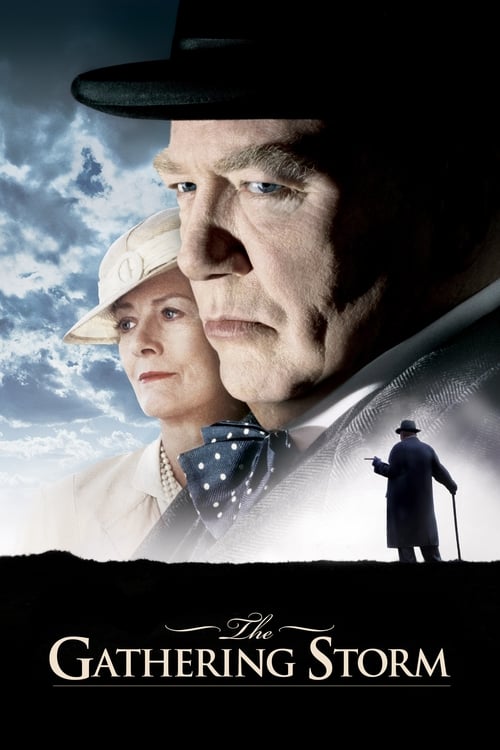
This powerful follow-up to “The Gathering Storm” follows Churchill from 1940 to 1945 as he guided his beleaguered nation through the crucible of the war years--even as his marriage was encountering its own struggles.
2010
1944
1992
2016
2001
2002
2011
2003
No reviews yet. Be the first to share your thoughts on this movie!
Use the rating form above to leave a star rating and optional review.