
The Rebel, Louise Michel
2010
No user ratings available yet
Representation score: 8.4 out of 10
Representation Score
Fair
1985
TV-14Director
Norman Stone
Runtime
87 minutes
Average Rating
No ratings yetNew Showbiz Analysis
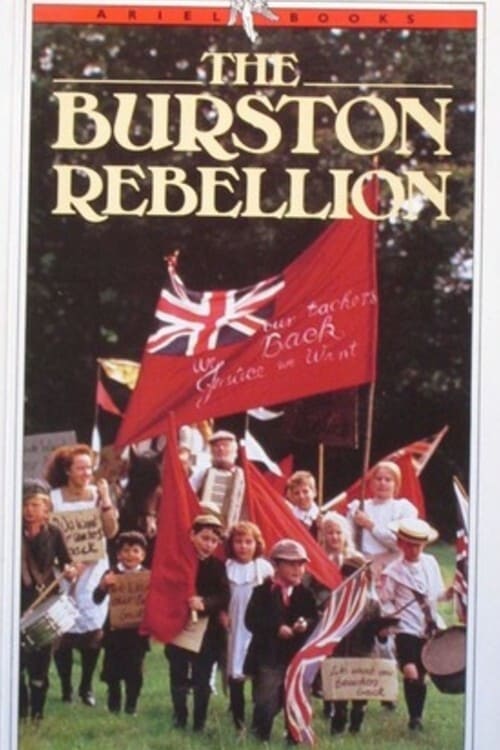
The Burston Rebellion is a historical drama that prioritizes ideological and class-based conflict over demographic breadth. It functions as a critique of institutional power, framing its protagonists as agents of social disruption rather than defenders of the status quo. While the film lacks significant representation regarding race and LGBTQ+ identities, this is largely a byproduct of its specific 1914 English setting. The narrative's strength lies in its progressive thematic density and its focus on socialist struggle. Ultimately, the film succeeds in challenging traditional hierarchies through its depiction of a community-led strike, even if it remains demographically narrow.
Category Breakdown
The film focuses on the domestic partnership of Tom and Annie Higdon. There is no visible presence of LGBTQ identities or non-assuming gender matches what was assigned at birth subtext in the narrative.
Annie Higdon serves as a co-protagonist and intellectual equal to Tom. This partnership disrupts traditional patriarchal leadership clichés, although the 1914 setting may still reflect period-specific social expectations.
Set in a rural Norfolk village in 1914, the film reflects the homogeneous demographic of that era. There is no evidence of ethnic diversity or race-bent casting.
The film offers a strong critique of Western institutions and state authority. By centering on socialist ideals and working-class rebellion, it prioritizes systemic social critique over traditional patriotism.
The narrative contains no mention of characters navigating physical, sensory, or neurodivergent conditions.
Present on Screen
Limited or Absent
Official Synopsis
Drama reconstructing the events of a strike by the schoolchildren of a Norfolk school in 1914, who refused to accept the dismissal of their teachers, Tom and Annie Higdon, who were both socialists.
2010
2003
1988
2018
1980
2020

2021

1977
No reviews yet. Be the first to share your thoughts on this movie!
Use the rating form above to leave a star rating and optional review.