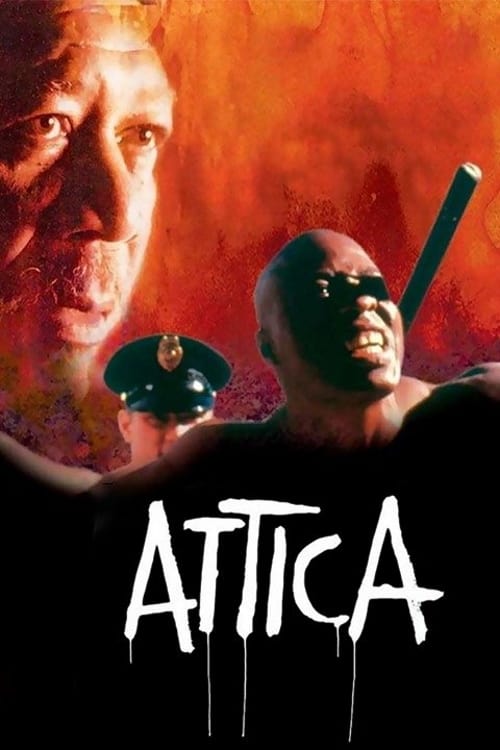
Attica
1980
No user ratings available yet
Representation score: 5.2 out of 10
Representation Score
Limited
1994
RDirector
John Frankenheimer
Runtime
111 minutes
Average Rating
No ratings yetNew Showbiz Analysis
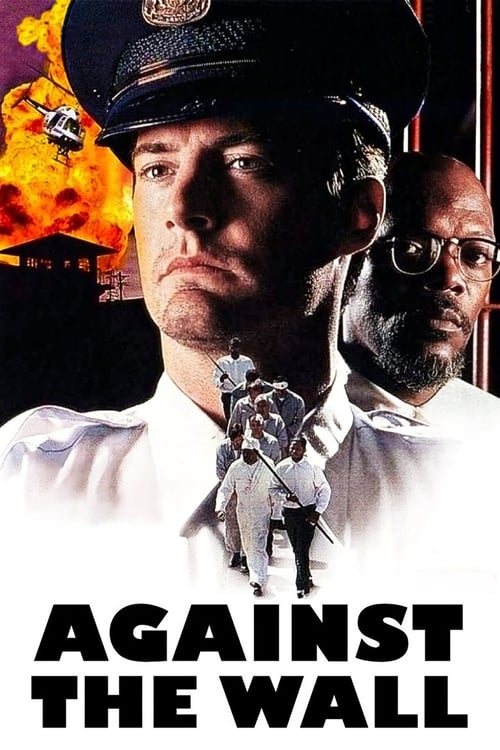
Against the Wall is a historical drama that examines the tension between institutional authority and individual ability to act during the 1971 Attica Penitentiary uprising. The film's narrative structure revolves around a hostage crisis and the demand for better living conditions, which inherently deals with systemic inequality. The film's strength lies in its subject matter, which centers on racial ability to act and the historical struggle for civil rights. By focusing on a revolt against the status quo, the film challenges traditional hierarchies and explores the tension between the oppressed and the oppressor. However, the film appears limited by the traditional gendered power dynamics of a prison setting. Without clear evidence of women playing a significant role or of LGBTQ+ representation, the narrative remains centered on a more conventional, masculine-coded conflict.
Category Breakdown
The film does not include any specific LGBTQ+ characters or stories that go against the assumption that everyone is straight or cisgender. The historical context includes diverse communities, but there is no mention of queer representation.
The story revolves around a prison warden and an inmate uprising, settings usually dominated by masculine hierarchies. There is little indication of women taking a leading role or of gender roles being challenged.
The film focuses on the Attica uprising, a key event marked by racial tensions and civil rights struggles. It highlights the ability to act of underrepresented groups fighting against systemic oppression.
The film critiques Western institutions by depicting the penal system as a place of conflict. It centers a revolt against institutional conditions to explore power dynamics.
There is no information available regarding the portrayal of physical disabilities or neurodivergence within this production.
Present on Screen
Limited or Absent
Official Synopsis
In 1971, a warden at Attica Penitentiary is caught up in a hostage crisis when inmates take over the prison to demand better living conditions.
1980
2022

1997

2003
2001

2001
2003
2020
No reviews yet. Be the first to share your thoughts on this movie!
Use the rating form above to leave a star rating and optional review.