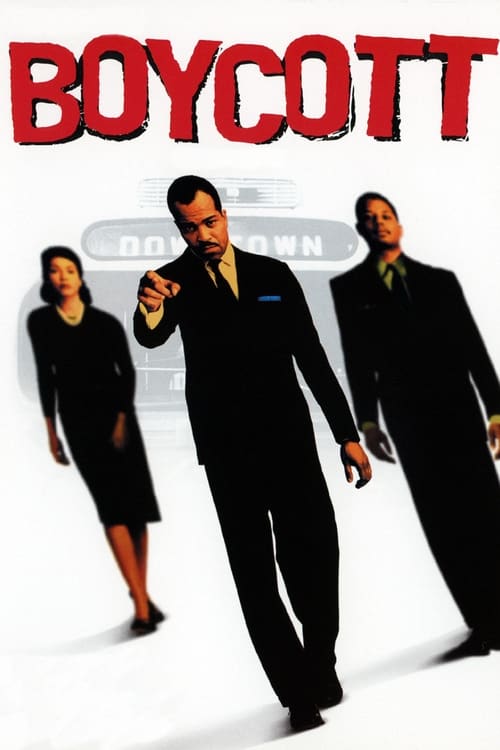
Boycott
2001
No user ratings available yet
Representation score: 7.0 out of 10
Representation Score
Good
2002
TV-PGDirector
Julie Dash
Runtime
97 minutes
Average Rating
No ratings yetNew Showbiz Analysis
The film reinterprets history by challenging conventional views of the Civil Rights Movement. By focusing on Black female perspectives, it shifts away from traditional male-dominated narratives. While the film offers strong racial and gender representation, its scope is limited by the historical context. The absence of LGBTQ+ representation and disability issues reflects the social norms of the 1950s. Overall, the film effectively critiques systemic injustice and highlights community resilience, using Julie Dash's expertise to emphasize the importance of collective identity and resistance.
Category Breakdown
The film follows the social norms of the 1950s and does not include any LGBTQ+ characters or identities outside of heterosexual relationships.
The story highlights the intellectual and political influence of Black women. It challenges the idea of male dominance by showing women as strategic organizers and moral leaders.
The film excels in representing Black characters and their experiences. It emphasizes the ability to act and depth of characters of color set against the backdrop of the Jim Crow South.
The Black church is shown as a key support for the community. The film criticizes corrupt segregationist systems and emphasizes collective identity over state authority.
The film does not focus on characters with visible or invisible disabilities. These characters do not play a central role in the socio-political storyline.
Present on Screen
Limited or Absent
Official Synopsis
A seamstress recalls events leading to her act of peaceful defiance that prompted the 1955 bus boycott in Montgomery, Alabama.
2001
1990
2017
1997
1997
1996
1980
2023
No reviews yet. Be the first to share your thoughts on this movie!
Use the rating form above to leave a star rating and optional review.