Wilma
1977
No user ratings available yet
Representation score: 5.2 out of 10
Representation Score
Limited
1984
GDirector
Richard Irving
Runtime
174 minutes
Average Rating
No ratings yetNew Showbiz Analysis
The film is a powerful historical reconstruction that prioritizes racial ability to act and the deconstruction of systemic prejudice. By centering Jesse Owens, the narrative successfully disrupts white-centric historical lenses, offering a profound look at the intersection of athletic excellence and racial struggle. However, the production remains tied to the social hierarchies of its era. Gender representation is limited to traditional domestic roles, and there is no LGBTQ+ presence or disability-focused narratives. Ultimately, the film's strength lies in its sophisticated critique of institutional corruption and hypocrisy. It uses the protagonist's journey to challenge established social hierarchies, making it a meaningful exploration of identity politics.
Category Breakdown
The film does not include any LGBTQ+ characters or narratives. The story focuses solely on the protagonist's life during the 1930s.
Female characters are limited to domestic roles, such as Owens' wife, providing emotional support. The film reflects the traditional gender roles and social structures of the early 20th century.
The film centers a Black protagonist and explores racial struggles through Jesse Owens' triumphs. It provides significant depth to the Black experience amid systemic challenges in both America and Nazi Germany.
The narrative critiques Western institutional hypocrisy by contrasting democratic ideals with domestic segregation. It highlights systemic racism as an oppressive force through the lens of historical power dynamics.
There are no significant depictions of physical or neurodivergent disabilities central to the narrative arc.
Present on Screen
Limited or Absent
Official Synopsis
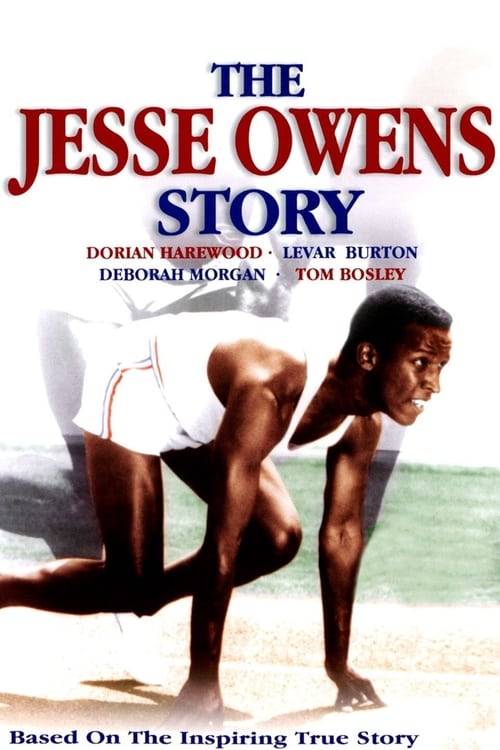
The Jesse Owens Story is a biographical film about the black athlete Jesse Owens. Dorian Harewood plays the Olympic gold-winning athlete. The drama won a 1985 Primetime Emmy Award and was nominated for two more.
1977
2008
2005

2016
1997

2021

2012

2006
No reviews yet. Be the first to share your thoughts on this movie!
Use the rating form above to leave a star rating and optional review.