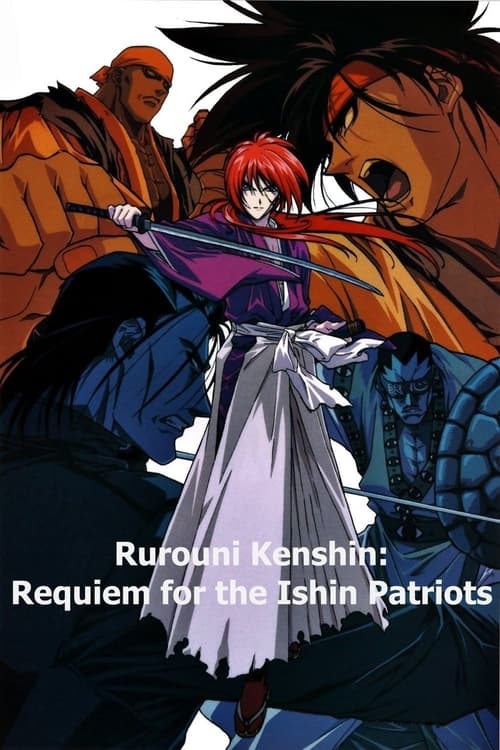
Samurai X: The Motion Picture
1997
No user ratings available yet
Representation score: 6.4 out of 10
Representation Score
Good
2001
NRRuntime
83 minutes
Average Rating
No ratings yetNew Showbiz Analysis
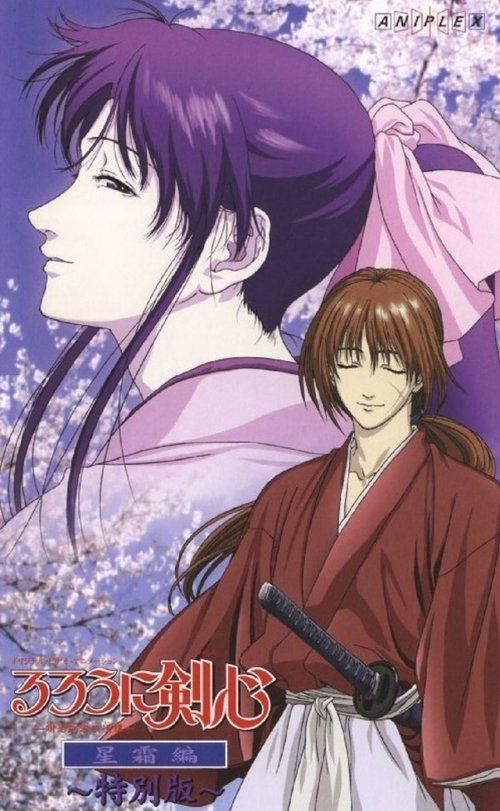
Rurouni Kenshin: Reflection functions as a somber, character-driven coda that replaces high-action clichés with a meditation on mortality and political upheaval. It complicates the protagonist's identity by forcing him to confront his revolutionary role and his domestic responsibilities. While the film broadens its cultural landscape by moving the setting to China, it remains rooted in traditional romantic and familial structures. It does not make significant strides in representing multiple aspects of diversity or actively challenging identity hierarchies. Ultimately, the work's strength lies in its deconstruction of the hero archetype. It highlights the profound personal and familial costs of political action, using physical suffering to drive its tragic arc.
Category Breakdown
The story focuses on a traditional marriage between Kenshin and Kaoru, which is centered around straight relationships. There is no indication of queer subtext or non-cisgender identities in the narrative.
Kaoru is portrayed as a resilient matriarch, highlighting her emotional strength within traditional domestic structures. Her role adds nuance to the portrayal of gendered roles.
The film introduces a cross-cultural political dimension by shifting the setting to China. This broadens the franchise's scope beyond a solely Japanese context, incorporating international revolutionary themes.
The film examines the tension between political idealism and family obligations. It balances revolutionary sentiments with traditional views on the sanctity of the home.
An incurable disease serves as a central plot driver and a metaphor for the impact of conflict. These conditions act as catalysts for tragedy rather than exploring the lived experiences of disability.
Present on Screen
Limited or Absent
Official Synopsis
Kenshin and Kaoru are married. Kenshin leaves Kaoru with their son, Kenji, to lead a revolution in China. But both of them suffer from a seemingly incurable disease. 15 years later, Kenshin tries to return home to his wife before she dies of grief. Flashbacks of Kenshin's previous encounters with friends and foes occur while Kenshin struggles to make it back home.
1997
2001
2001
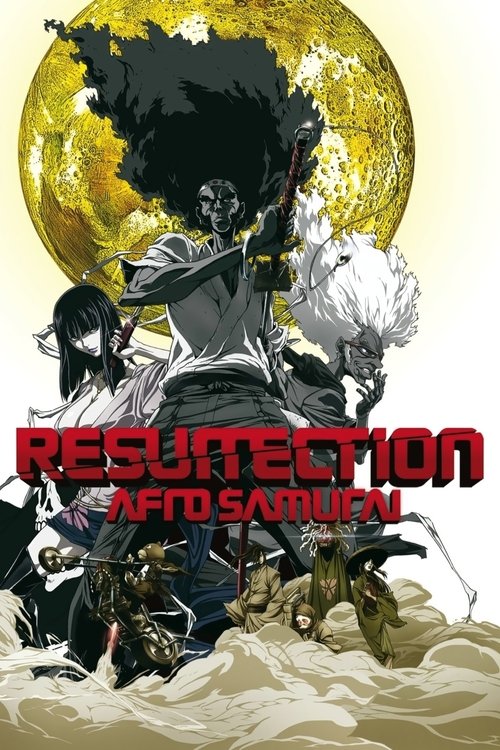
2009
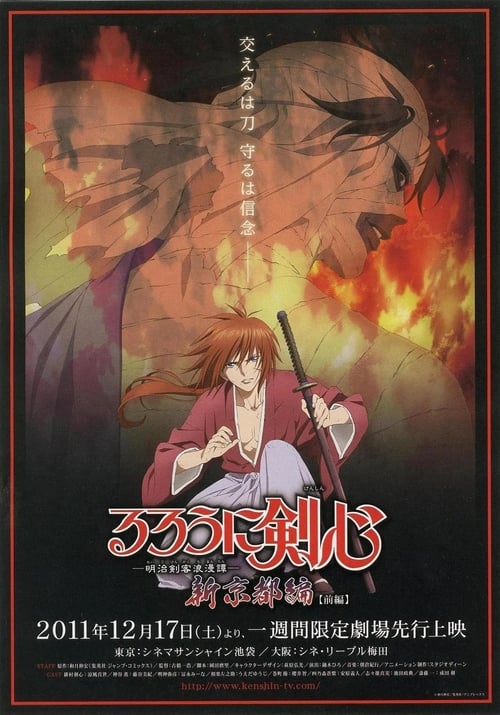
2011
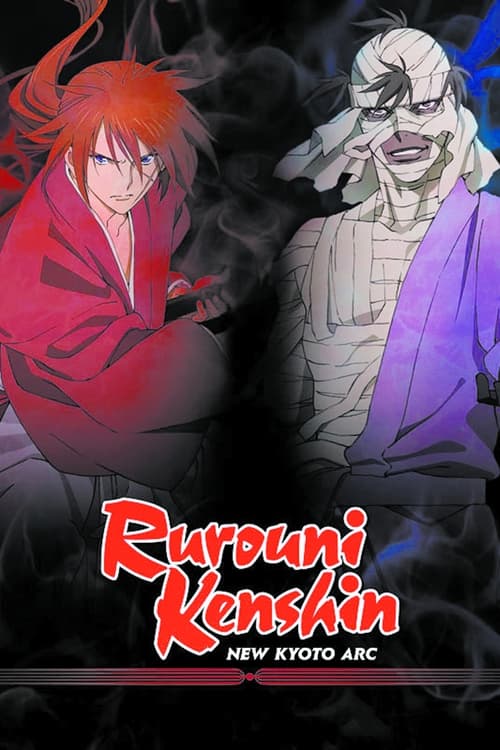
2012
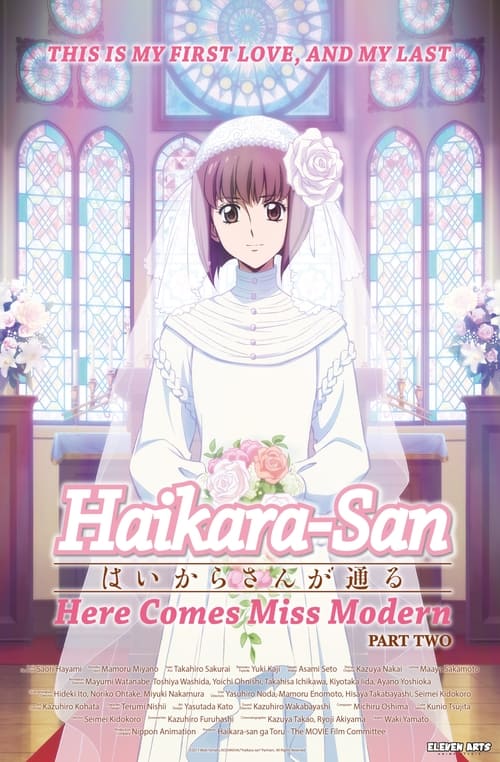
2018
2013
No reviews yet. Be the first to share your thoughts on this movie!
Use the rating form above to leave a star rating and optional review.