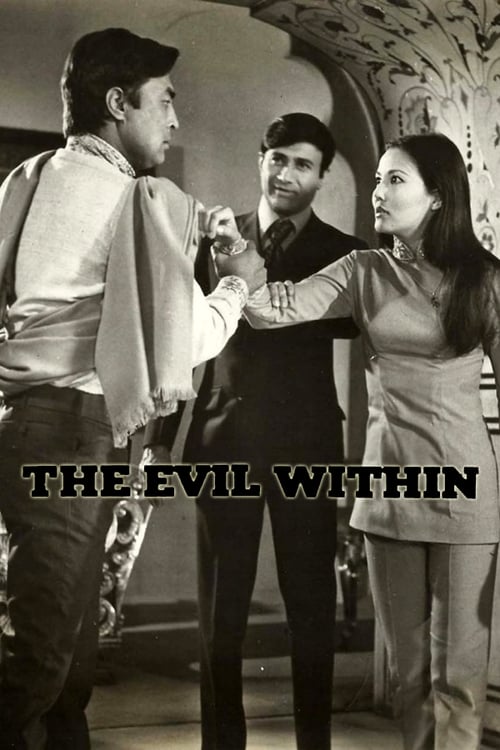
The Evil Within
1970
No user ratings available yet
Representation score: 1.8 out of 10

Representation Score
Limited
1956
ApprovedDirector
Josef Shaftel
Runtime
70 minutes
Average Rating
No ratings yetNew Showbiz Analysis
No Place to Hide is a mid-century genre thriller that prioritizes suspense and environmental stakes over social representation. While the Philippine setting provides a geographic departure from typical Western studio productions, the film remains anchored in the era's traditional social hierarchies. The narrative lacks intentional subversion of gender roles or identity politics, functioning as a conventional survival story where the central characters drive the plot. Ultimately, the film reflects the temporal constraints of 1956, offering contextual diversity through its location but failing to engage with the complex social or cultural identities that define modern inclusive storytelling.
Category Breakdown
The film adheres to mid-century cinematic standards and does not include any non-traditional gender identities or same-sex relationships, operating within a conventional framework that assumes everyone is straight and cisgender.
Gender roles follow traditional 1950s patterns, emphasizing masculine pursuit and feminine supporting roles without challenging existing hierarchies.
The Philippine setting provides a non-Western backdrop, but the narrative focuses on the central protagonists, offering limited opportunities for the local population to take significant roles.
The story functions as a survival thriller without critiquing Western values. It does not prioritize secularism or actively challenge traditional moral frameworks.
The film does not feature characters with physical or neurodivergent disabilities. The plot centers on a biological virus threat rather than individual disability.
Present on Screen
Limited or Absent
Official Synopsis
Some pellets containing a deadly virus are carried by two boys on the run through the Philippines.
1970

1976
1967
1950

1952
1967

1957

1953
No reviews yet. Be the first to share your thoughts on this movie!
Use the rating form above to leave a star rating and optional review.