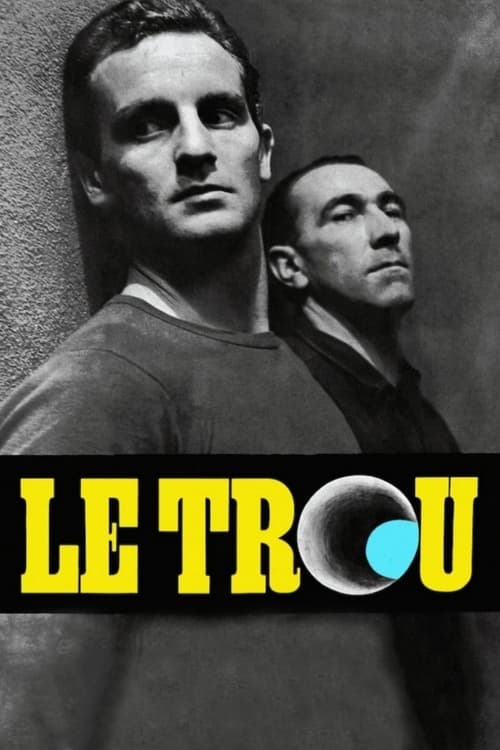
Le Trou
1960
No user ratings available yet
Representation score: 1.3 out of 10
Representation Score
Minimal
1959
Director
Géza von Radványi
Runtime
105 minutes
Average Rating
No ratings yetNew Showbiz Analysis
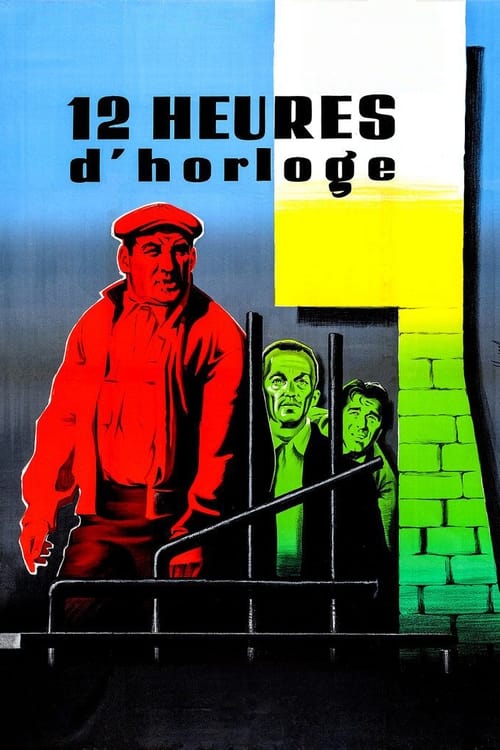
Twelve Hours by the Clock is a localized, character-driven thriller that centers on the tension of a high-stakes countdown. The narrative focuses on individual survival and ability to act during a prison break, rather than broader social issues. Produced in 1959, the film follows the typical demographic and cultural norms of mid-century European cinema. It functions as a traditional genre piece that adheres to the social hierarchies and casting norms of its time. Overall, the film does not aim to disrupt established racial, gender, or social structures, focusing instead on the mechanics of a criminal escape.
Category Breakdown
The film does not include any LGBTQ+ characters or stories. The narrative revolves around the criminal protagonists and their immediate survival.
The story likely emphasizes male characters, following the conventions of 1950s crime dramas. Women do not hold positions of physical or intellectual superiority.
Given the coastal French setting and the 1959 production date, the cast appears ethnically homogeneous. The film does not show any effort to blend diverse backgrounds or cast actors from varied ethnicities.
The plot focuses on criminal activities and evading the law, which challenges the state's institutions. However, this serves the thriller genre rather than a broader social critique.
There is no mention of characters with visible or invisible disabilities. Representation of such characters was uncommon in thrillers of this era.
Present on Screen
Limited or Absent
Official Synopsis
Three criminals escape from a French prison and hide in a coastal village where they have to wait for 12 hours until the boat that is supposed to take them to freedom arrives.
1960

1956
1959
1947
1956

1966

1962

1955
No reviews yet. Be the first to share your thoughts on this movie!
Use the rating form above to leave a star rating and optional review.