The Mugger
1958
No user ratings available yet
Diversity score: 2.2 out of 10
1967
Runtime
92 minutes
Average Rating
No ratings yetSynopsis
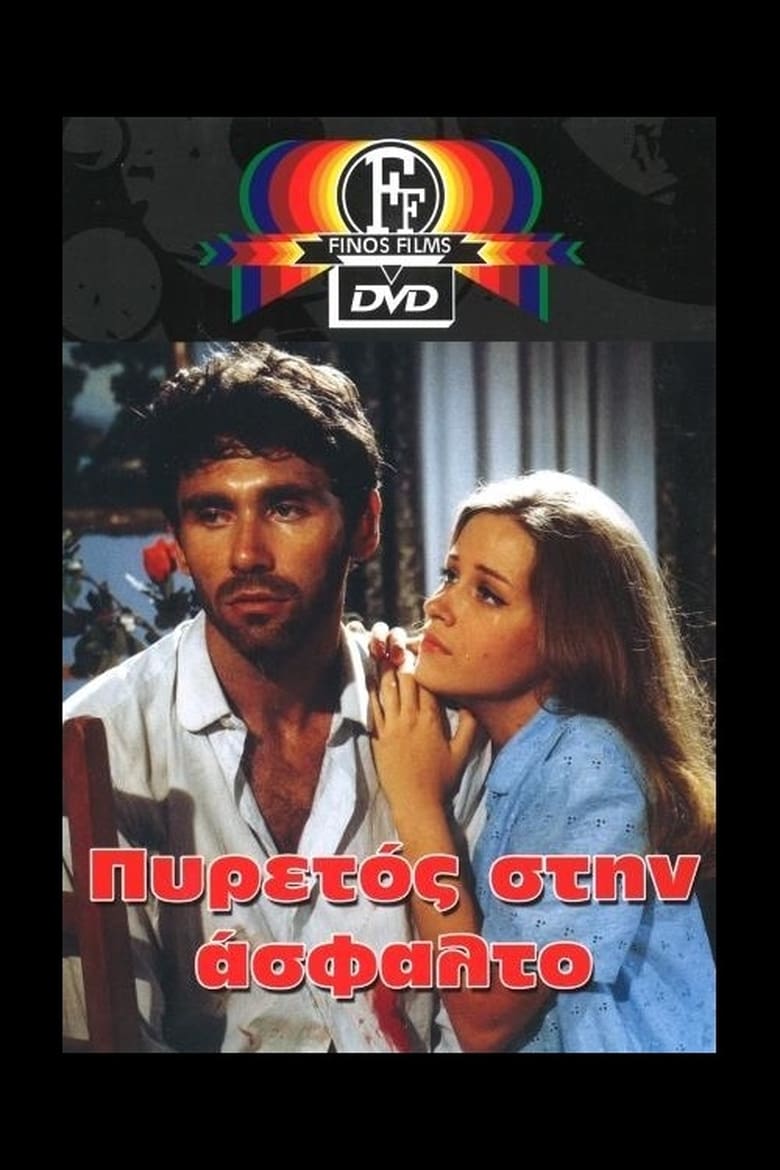
A police constable tries to find blood during the night for his wife to be born. When he finally finds a blood donor, he will have to deal with a frenzy runaway, who holds hostage children in a school car.
Overall Score
Limited
Category Breakdown
LGBTQ+ Representation
The film lacks evidence of LGBTQ+ characters or non-cisnormative identities. The plot centers on a traditional familial crisis, suggesting a narrative focused on conventional domesticity.
Gender Representation
Gender roles follow traditional mid-century patterns. A male protagonist acts as the primary protector for a wife in a state of biological vulnerability during childbirth.
Racial & Ethnic Diversity
The production reflects a likely homogeneous social environment typical of 1967 Greek cinema. There is no indication of diverse racial casting or non-white majority ensembles.
Religious & Cultural Diversity
Themes align with traditional Western dramatic structures involving law enforcement and medical emergencies. The narrative operates within established social and legal orders rather than critiquing them.
Disability Representation
A medical crisis involving blood needs serves as a suspense-driven plot device. There is no nuanced exploration of disability or characters with agency regarding neurodivergence.
Strengths
Areas for Improvement
AI Analysis
The Asphalt Fever is a mid-century thriller that prioritizes high-stakes suspense over social subversion. Its narrative architecture relies on established genre tropes and traditional hierarchies common to its era. The film focuses on a localized crisis, centering on a male constable's efforts to navigate a medical emergency and a hostage situation. This structure reinforces conventional gender and social roles. Ultimately, the work functions as a standard dramatic piece that adheres to the demographic and cinematic norms of 1960s Greece, offering little in the way of intersectional representation.
1958

1969

1956
1966
1976

1990

1967
1959

1996

1981

2004
1978
No reviews yet. Be the first to share your thoughts on this movie!
Use the rating form above to leave a star rating and optional review.