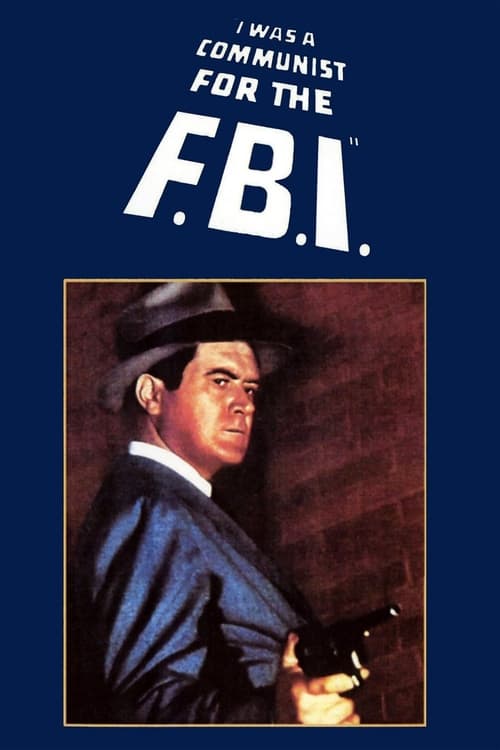
I Was a Communist for the FBI
1951
No user ratings available yet
Representation score: 0.3 out of 10
Representation Score
Minimal
1950
NRDirector
Robert Stevenson
Runtime
73 minutes
Average Rating
No ratings yetNew Showbiz Analysis
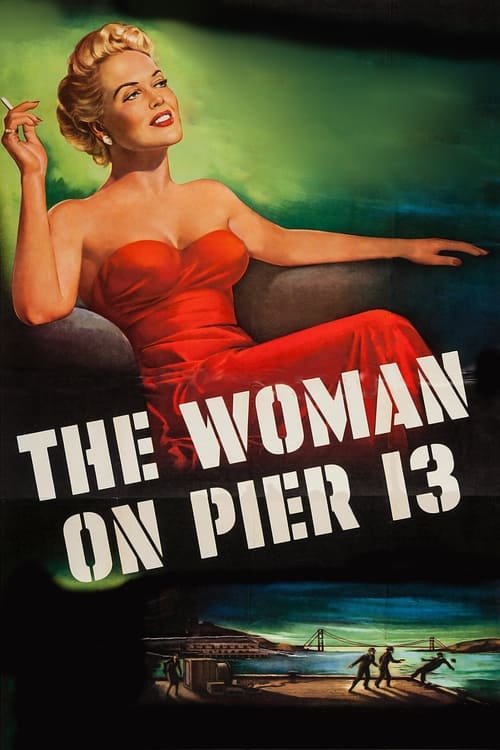
The Woman on Pier 13 is a quintessential product of the Cold War era, prioritizing geopolitical anxieties over social exploration. Its narrative structure reinforces the status quo, focusing on political conformity and domestic security through espionage and blackmail. By adhering to mid-century studio conventions, the film maintains rigid social hierarchies. It functions more as a vehicle for social cohesion and traditional morality than as a work that challenges systemic power or explores multiple aspects of diversity. Ultimately, the film serves the era's prevailing political climate, offering a conventional thriller experience that avoids deconstructing the established social order.
Category Breakdown
The film does not explore LGBTQ identities or challenge the assumption that everyone is straight. The 1950s setting suggests that non-traditional sexualities are not represented.
Female characters likely play traditional roles as victims or love interests. The film emphasizes male dominance in the shipping industry.
The production reflects the homogenous casting standards of the 1950s. The narrative centers on a predominantly white, Anglo-Saxon population.
The story reinforces patriotic sentiments and Western institutional stability. Non-Western political ideologies are portrayed as threats.
There are no characters with visible or invisible disabilities in the narrative.
Present on Screen
Limited or Absent
Official Synopsis
Communists blackmail a shipping executive into spying for them.
1951
1951
1949

1952
1961
1944

1949
1937
No reviews yet. Be the first to share your thoughts on this movie!
Use the rating form above to leave a star rating and optional review.