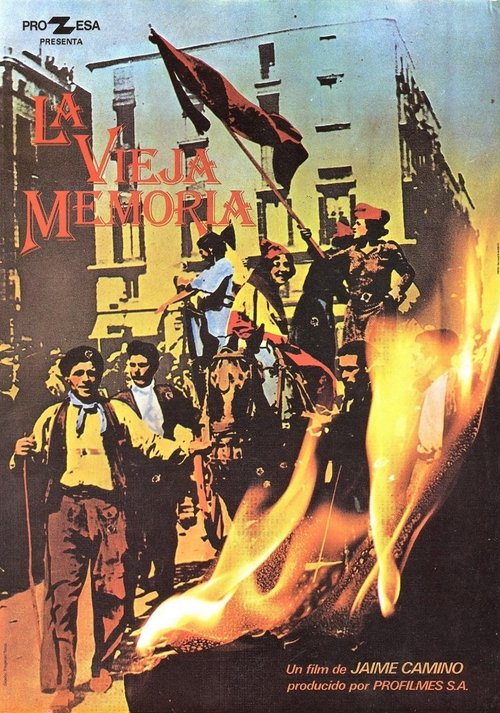
La vieja memoria
1979
No user ratings available yet
Representation score: 5.6 out of 10
Representation Score
Fair
1958
Director
Carlos Vilardebó
Runtime
6 minutes
Average Rating
No ratings yetNew Showbiz Analysis
To Live serves as a historical document of human struggle rather than a character-driven narrative. Its strength lies in its refusal to offer patriotic optimism, instead focusing on the raw, unvarnished misery caused by systemic violence and war. However, the film lacks intentional characters who reflect more than one aspect of diversity. The absence of LGBTQ+ identities and the lack of clear evidence regarding gender ability to act or specific racial demographics limit its progressive impact. Ultimately, the work functions as a critique of societal stability. While it avoids traditionalist celebrations of power, it remains a tragic depiction of vulnerability rather than a proactive exploration of diverse identities.
Category Breakdown
The documentary focuses on the realities of war and human suffering. There are no LGBTQ+ characters or narratives addressing non-straight relationships.
The film centers on the macro-level devastation of society during conflict. While it challenges traditional leadership roles, there is no evidence of women exercising significant control or disrupting social hierarchies.
The film explores universal human suffering through the lens of war. It likely highlights underrepresented populations caught in geopolitical struggles, though specific cast data is unavailable.
The narrative critiques traditional institutions and state power by showcasing the destructive outcomes of war. It adopts a somber, non-idealized view of societal structures.
The documentary provides a raw look at physical and psychological injuries resulting from conflict. These portrayals offer visibility to the disabled experience through a lens of tragedy.
Present on Screen
Limited or Absent
Official Synopsis
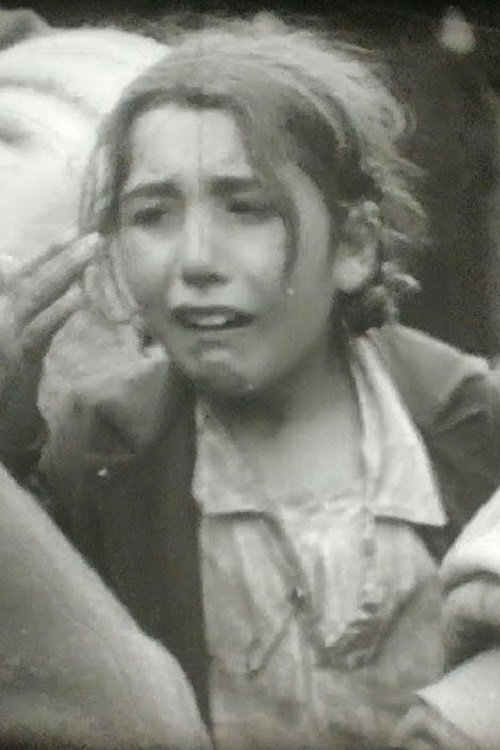
A series of images of war and misery.
1979
2018
2002
2012
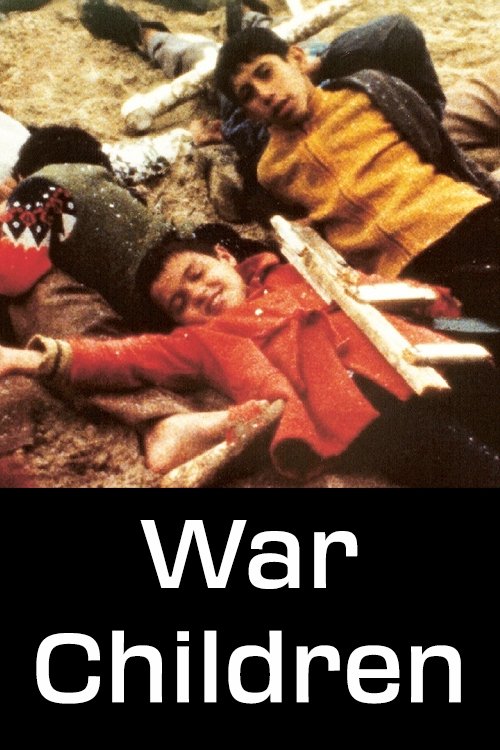
1976

2008
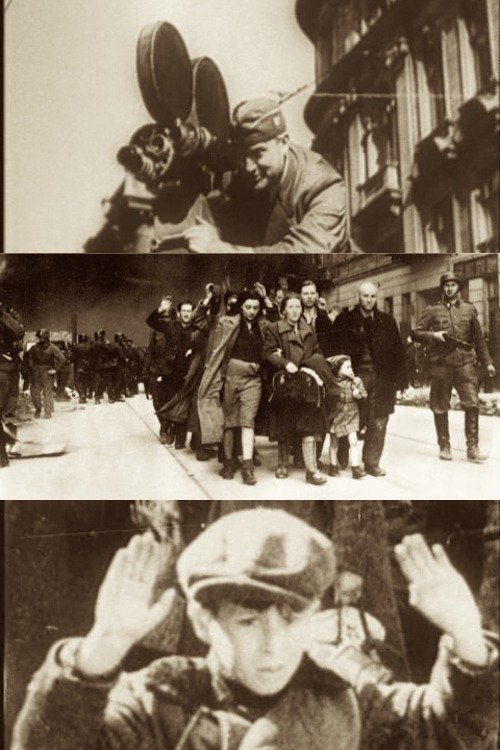
1942
1985
No reviews yet. Be the first to share your thoughts on this movie!
Use the rating form above to leave a star rating and optional review.