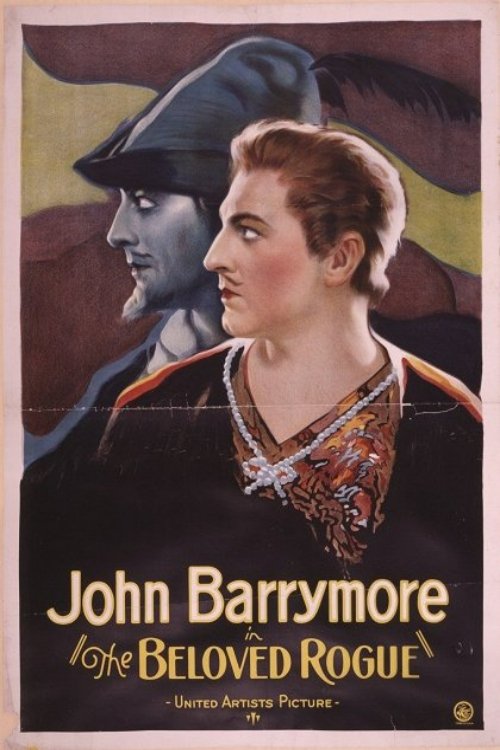
The Beloved Rogue
1927
No user ratings available yet
Representation score: 2.3 out of 10
Representation Score
Limited
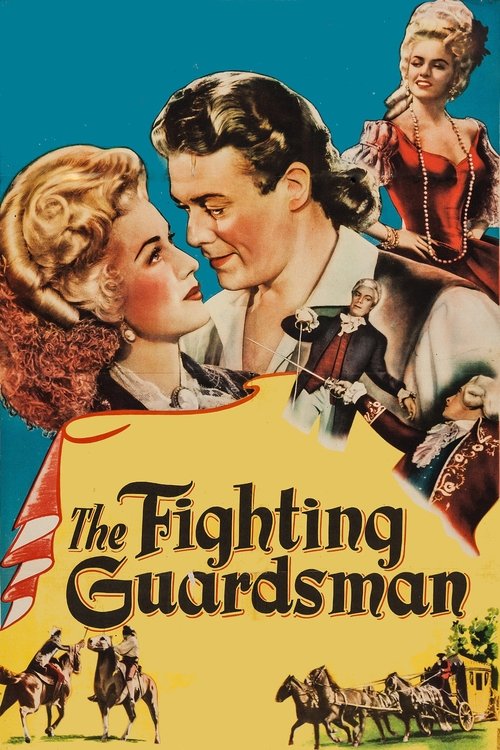
1945
ApprovedDirector
Henry Levin
Runtime
84 minutes
Average Rating
No ratings yetNew Showbiz Analysis
The Fighting Guardsman operates as a standard mid-1940s period adventure. While it utilizes a Robin Hood archetype to critique concentrated power, the film remains firmly rooted in the social and demographic norms of its time. The narrative focuses on traditional masculine heroism and European-centric settings. It lacks modern multi-layered elements, offering little representation for LGBTQ+ identities, diverse racial backgrounds, or characters with disabilities. Ultimately, the film's social commentary is limited to the redistribution of wealth rather than a systemic deconstruction of social hierarchies.
Category Breakdown
The film does not include any characters with non-straight or non-cisgender identities, nor does it show any same-sex intimacy. It follows the traditional heterosexual relationship structures typical of 1940s action dramas.
The story centers around a male Baron and features traditional masculine archetypes of heroism. The plot is driven primarily by male-led action and political strategy.
Set in pre-revolutionary France, the film likely reflects the homogeneous European casting standards of its era. There is no indication of non-Western characters playing significant roles.
The narrative offers a moderate critique of absolute monarchy by framing the protagonist as a wealth redistributor. However, this remains within a traditional adventure framework.
There is no evidence of characters with visible or invisible disabilities within the film's narrative or historical record.
Present on Screen
Limited or Absent
Official Synopsis
A French Baron robs Louis XVI like Robin Hood.
1927
1964
1959
1962
1960
1948
1934
1952
No reviews yet. Be the first to share your thoughts on this movie!
Use the rating form above to leave a star rating and optional review.