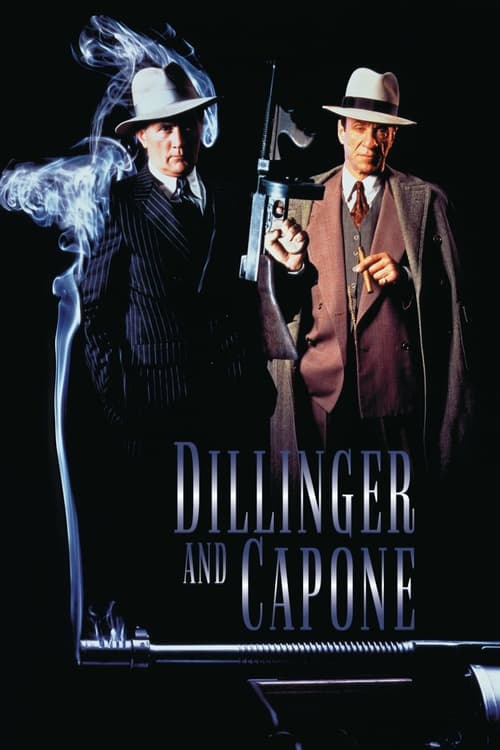
Dillinger and Capone
1995
No user ratings available yet
Representation score: 2.3 out of 10
Representation Score
Minimal
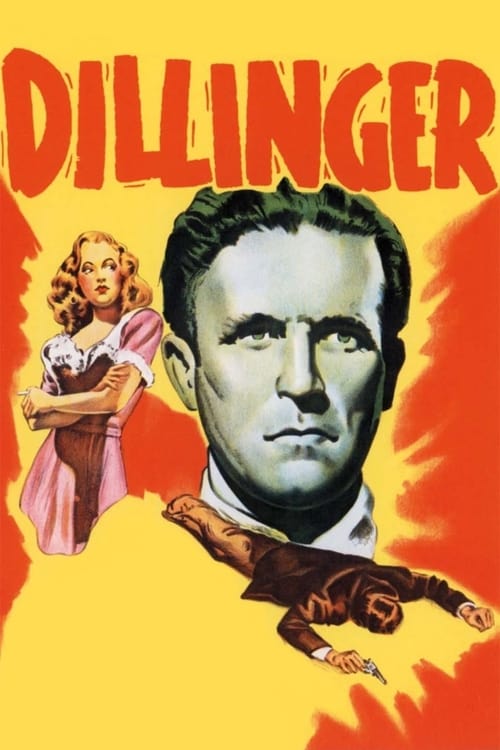
1945
ApprovedDirector
Max Nosseck
Runtime
70 minutes
Average Rating
No ratings yetNew Showbiz Analysis
Dillinger is a typical crime biopic from the 1940s that follows strict social and demographic norms. The film centers on the life of a historical outlaw, focusing on his crimes and consequences rather than exploring systemic issues. The narrative structure supports the status quo, presenting a largely Anglo-Saxon society and traditional gender roles. It adheres to the conventions of the crime genre without challenging established norms. Overall, the film represents a traditional storytelling approach of its time, emphasizing individual criminal biography over systemic analysis.
Category Breakdown
The film does not include any representation of LGBTQ+ identities. All character relationships are centered around heterosexual dynamics.
Women in the film mainly serve as romantic interests or secondary characters. The story is driven by male characters involved in crime and law enforcement.
The cast is predominantly white, reflecting the era's typical casting practices. There is a noticeable lack of racial diversity in the social setting.
The story upholds traditional societal norms and the authority of the state. It aligns with a conventional Western perspective on morality and governance.
The film does not feature any characters with physical, sensory, or neurodevelopmental disabilities. Characters are portrayed as physically capable within the context of the action genre.
Present on Screen
Limited or Absent
Official Synopsis
The life of American public enemy number one who was shot by the police in 1934.
1995
1973
1957
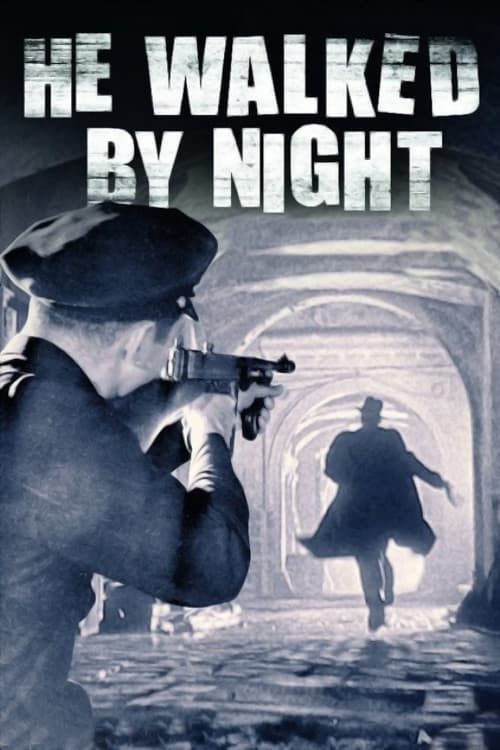
1949
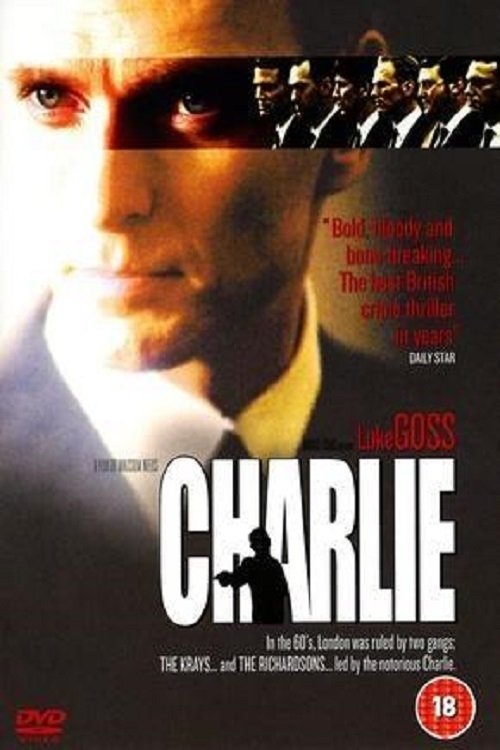
2004
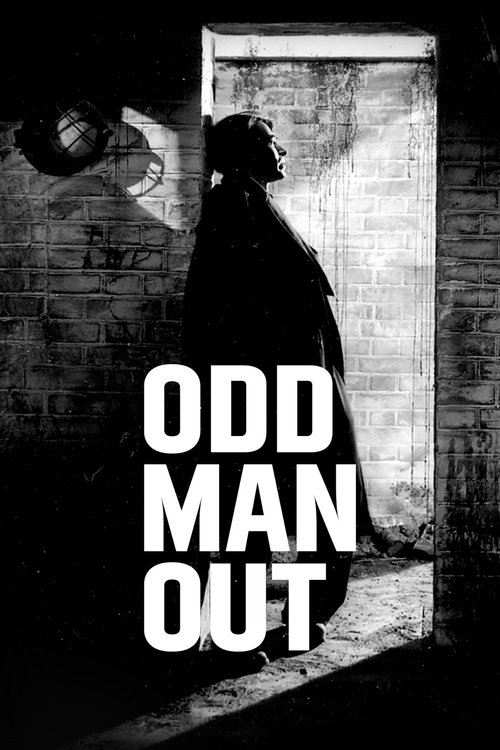
1947
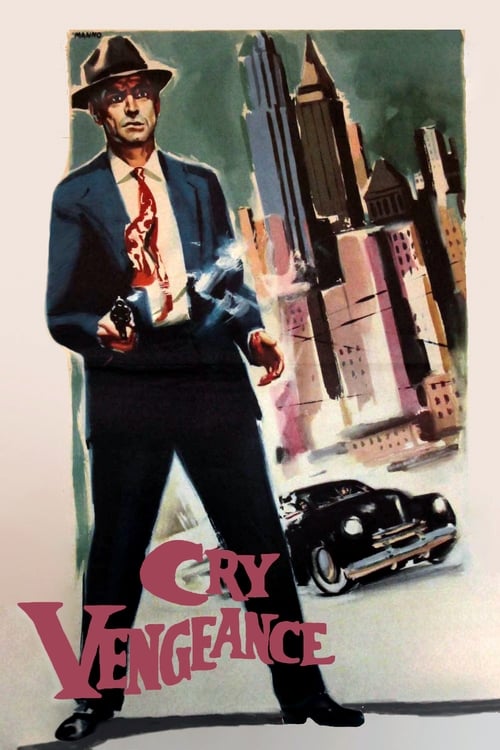
1954
1950
No reviews yet. Be the first to share your thoughts on this movie!
Use the rating form above to leave a star rating and optional review.