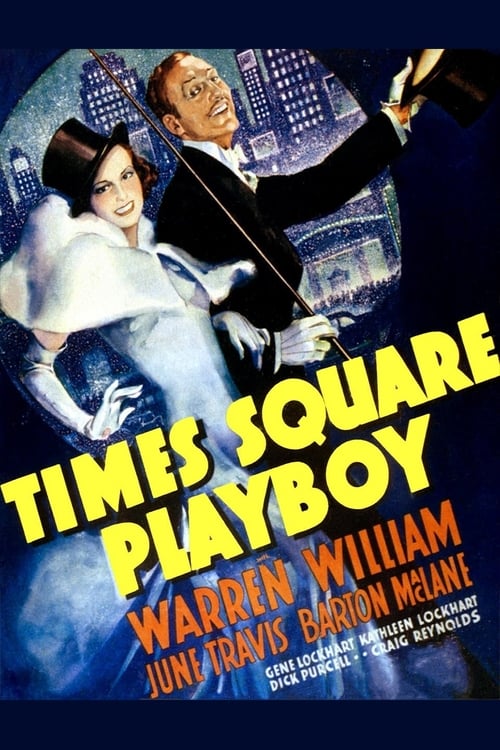
Times Square Playboy
1936
No user ratings available yet
Diversity score: 2.6 out of 10

1936
PassedDirector
William C. McGann
Runtime
68 minutes
Average Rating
No ratings yetSynopsis
Salesman develops a fake stock plan in new invention before it is finished.
Overall Score
Limited
Category Breakdown
LGBTQ+ Representation
The film lacks any discernible presence of LGBTQ+ characters. The narrative adheres to the conventional social frameworks of the mid-1930s.
Gender Representation
The narrative follows traditional 1930s gender hierarchies. Female characters typically serve as secondary figures, such as romantic interests, rather than primary agents of change.
Racial & Ethnic Diversity
The film reflects the homogeneous casting practices of the 1930s. There is no evidence of intersectional casting or the disruption of Anglo-centric norms.
Religious & Cultural Diversity
The story focuses on a fraudulent stock scheme and individual morality. It does not engage in critiques of Western institutions or traditional family structures.
Disability Representation
There is no evidence regarding the inclusion of characters with visible or invisible disabilities. Disability is not used as a central narrative element.
Strengths
Areas for Improvement
AI Analysis
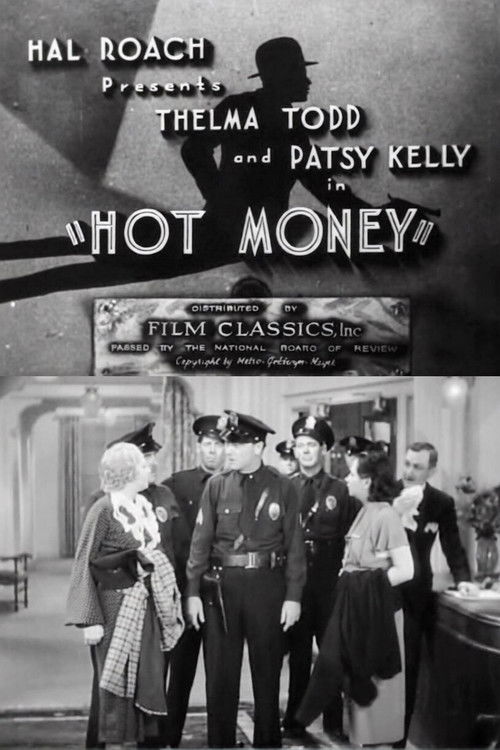
Hot Money is a standard genre piece from the early studio era that reinforces the social and cultural status quo of 1936. It functions as a crime-comedy that relies on established tropes of commerce and morality. The film does not demonstrate an intentional effort to disrupt traditional hierarchies or introduce intersectional perspectives. Instead, it maintains a conventional approach to gender, race, and social structures that aligns with the period's prevailing cinematic norms.
1936
1935
1940
1939
1930
1941

1930
1932
1947

1937
1958
1930
No reviews yet. Be the first to share your thoughts on this movie!
Use the rating form above to leave a star rating and optional review.