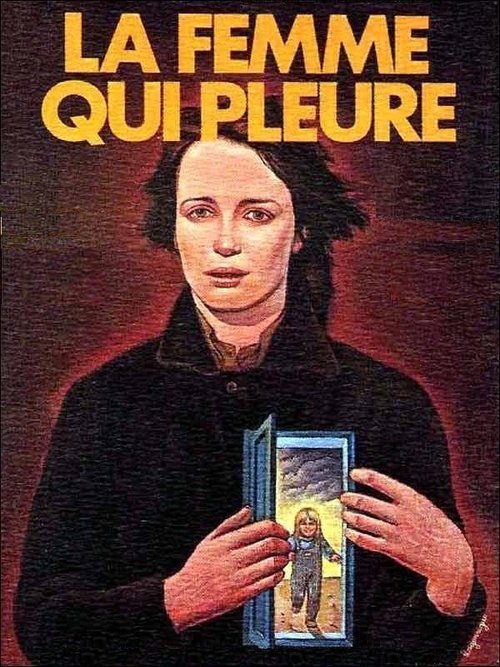
The Crying Woman
1979
No user ratings available yet
Diversity score: 4.6 out of 10

1990
Director
Jacques Doillon
Runtime
133 minutes
Average Rating
No ratings yetSynopsis
Suzy, a beautiful woman, is coming back to Paris to attend the funeral of her lover, a married man. Cecile, his wife, is holding Suzy responsible for his suicide. By finding Suzy in Paris, Cecile is trying to seek the truth by playing a psychological game on her.
Overall Score
Fair
Category Breakdown
LGBTQ+ Representation
The film centers on a heterosexual triangle involving a deceased man, his wife, and his lover. While it lacks explicit same-sex romantic arcs, the intense psychological intimacy between the two women suggests a departure from standard heteronormative focus.
Gender Representation
The narrative disrupts traditional hierarchies by placing emotional and intellectual agency entirely within the female characters. The male figure serves only as a passive catalyst, while the women drive the plot through psychological maneuvering.
Racial & Ethnic Diversity
The cast appears to reflect a relatively homogeneous European demographic. There is no evidence of significant racial blending or the use of non-white casts to challenge traditional casting norms.
Religious & Cultural Diversity
The film critiques the stability of the traditional family unit by presenting marriage as a site of resentment. It embraces moral relativism, framing truth as something discovered through psychological games.
Disability Representation
There is no visible evidence regarding the depiction of physical or neurodivergent disabilities within the film's context.
Strengths
Areas for Improvement
AI Analysis
Jacques Doillon’s film functions as a sophisticated study of power dynamics that challenges the patriarchal structure of the 'tragic male' narrative. By centering the conflict on the psychological interplay between Suzy and Cecile, the film disrupts conventional cinematic expectations regarding grief and infidelity. The work excels in its subversion of gendered agency, moving the focus away from the deceased man to the friction between the surviving women. However, the film remains limited by a lack of significant racial or LGBTQ+ visibility, maintaining a relatively homogeneous demographic focus. Ultimately, the film's strength lies in its complex, non-linear moral landscape and its ability to reclaim psychological power for its female protagonists.
1979
1984
1981
1976
1969
1982
1989

1961
1968
2006
2002
1966
No reviews yet. Be the first to share your thoughts on this movie!
Use the rating form above to leave a star rating and optional review.