Heroes of the Flames
1931
No user ratings available yet
Diversity score: 2.3 out of 10
1933
PassedDirector
John P. McCarthy
Runtime
62 minutes
Average Rating
No ratings yetSynopsis
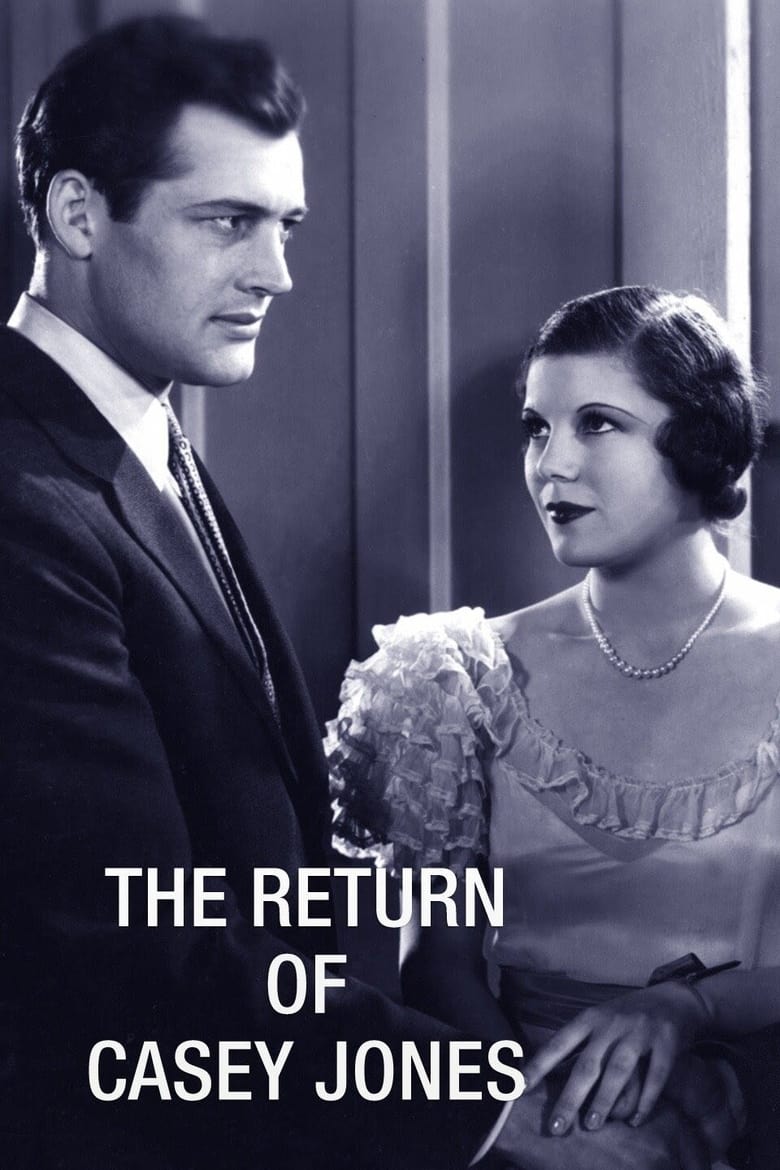
Jimmy, a young boy, idolizes famed train engineer Casey Jones and is devastated when his hero is killed in a train wreck. The boy grows up to be a railroad engineer, too, but one day the train he is piloting loses its brakes and wrecks. Jimmy tries to fix it but has to jump off at the last minute. Unfortunately, stories begin to circulate that he turned coward and jumped off the train first, letting it be destroyed rather than try to save it. He sets out to clear his name.
Overall Score
Minimal
Category Breakdown
LGBTQ+ Representation
The film lacks any visible queer representation or non-cisnormative identities. It adheres strictly to the social and cinematic norms of the early 1930s.
Gender Representation
The story centers on male archetypes of heroism and duty. It reinforces traditional masculine roles within the industrial labor sector rather than subverting gender hierarchies.
Racial & Ethnic Diversity
The narrative focuses on a singular hero's journey within a Western industrial setting. It likely reflects the homogeneous casting standards of the era by centering a white protagonist.
Religious & Cultural Diversity
The plot follows a traditional moral arc regarding honor and personal integrity. It prioritizes conventional Western values of duty and professional ethics within the railroad industry.
Disability Representation
There is no depiction of characters navigating physical, sensory, or neurodivergent experiences. The drama focuses on mechanical failures and social stigma instead.
Strengths
Areas for Improvement
AI Analysis
The film is a conventional period drama that mirrors the socio-cultural constraints of 1933. Its narrative architecture is built around a standard heroic arc, focusing on a male protagonist's struggle to reclaim his reputation. Because the story centers on masculine ideals of duty and industrial labor, it reinforces established social hierarchies. The film lacks intersectional perspectives, offering a narrow view of heroism through a traditional lens. Ultimately, the production serves as a product of its time, prioritizing a singular, homogeneous perspective over diverse or subversive storytelling.
1931
1927
1943
1950
1923
1935
1926
1947
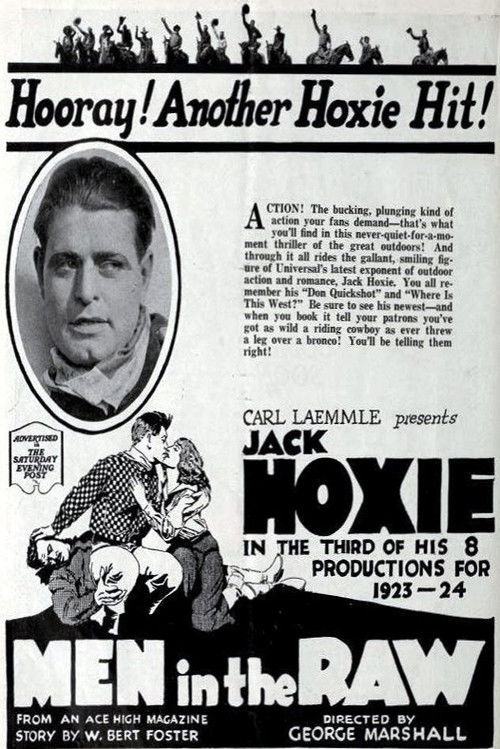
1923
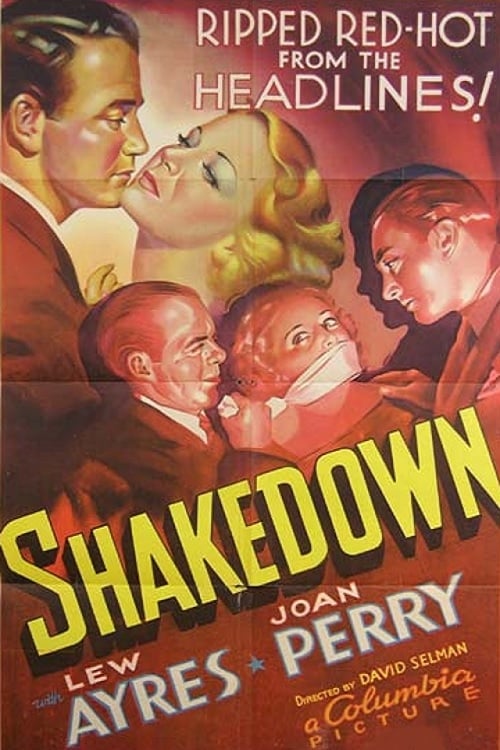
1936

1926
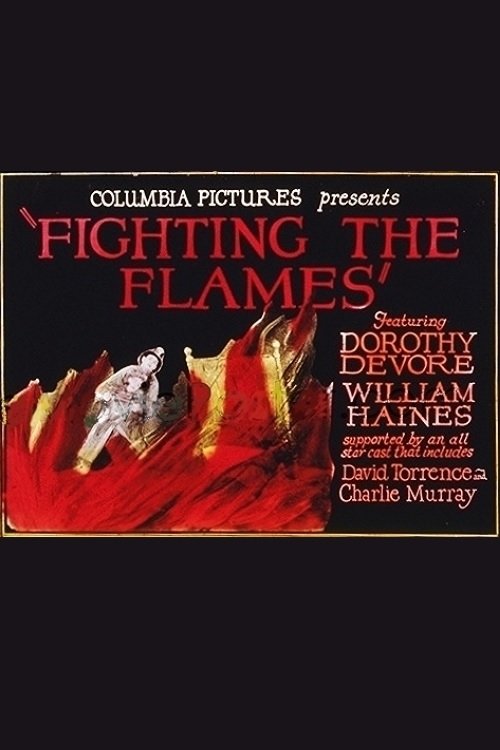
1925
No reviews yet. Be the first to share your thoughts on this movie!
Use the rating form above to leave a star rating and optional review.