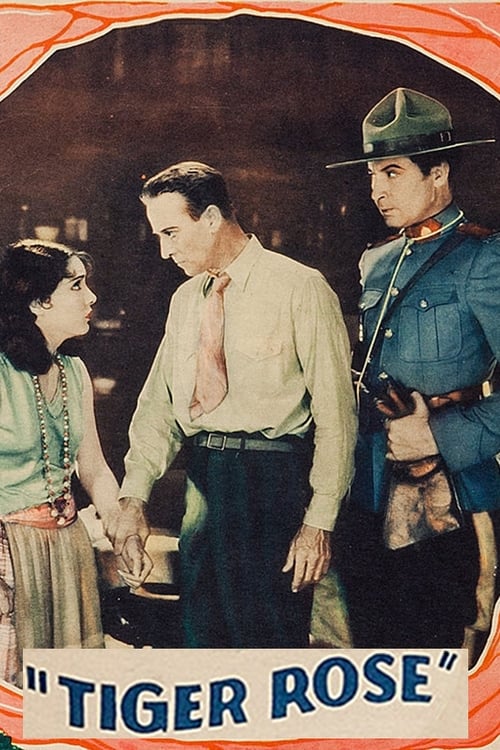
Tiger Rose
1929
No user ratings available yet
Representation score: 1.0 out of 10
Representation Score
Minimal
1935
ApprovedDirector
Lew Landers
Runtime
69 minutes
Average Rating
No ratings yetNew Showbiz Analysis
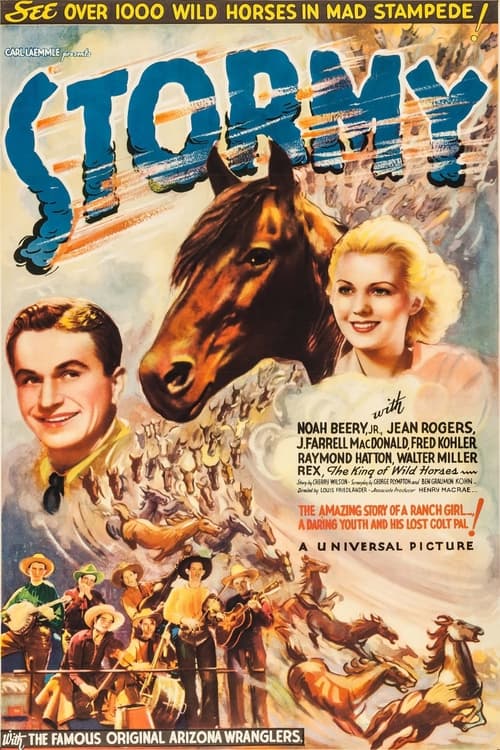
Stormy is a typical 1930s genre piece that prioritizes narrative momentum and traditional clichés over social subversion. The plot, centered on a young man searching for a lost horse after a train wreck, follows a standard adventure structure common during the studio era. The film adheres to the homogeneous and hierarchical standards of its time. It focuses on a singular pursuit that reinforces the social norms of the mid-1930s, lacking characters who reflect more than one aspect of diversity.
Category Breakdown
The film does not include any characters with non-straight or non-cisgender identities. It also doesn't show any narratives that question the idea that everyone is straight or cisgender.
The action-drama genre typically emphasizes masculine ability to act and traditional heroism. The film does not depict women challenging gender hierarchies or taking on roles that require superior intellect.
The storyline focuses on a singular pursuit that does not indicate a multi-ethnic cast. It likely reflects the homogeneous casting practices of the mid-1930s.
The story follows a standard Western adventure structure centered on property and crisis resolution. It aligns with the conventional values of the mid-1930s rather than challenging institutional norms.
There are no characters with physical or neurodivergent disabilities in the film. The narrative focus remains solely on the quest for the lost thoroughbred.
Present on Screen
Limited or Absent
Official Synopsis
A young man looks for a thoroughbred horse that was got lost during a train wreck.
1929
1930
1943
1935
1932
1948
1938
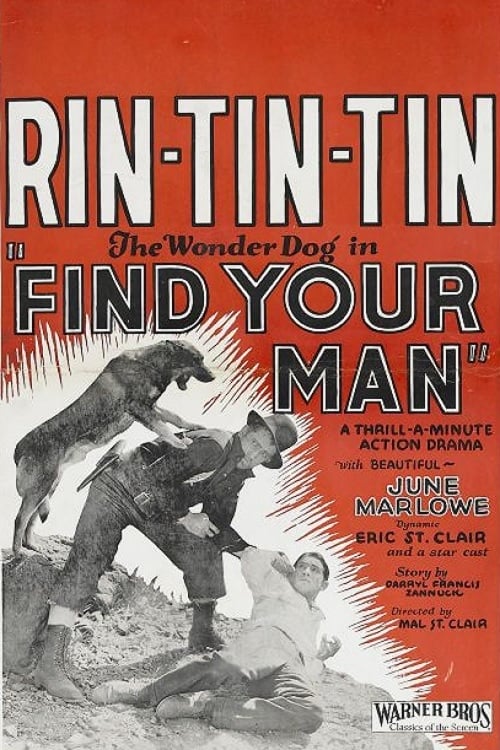
1924
No reviews yet. Be the first to share your thoughts on this movie!
Use the rating form above to leave a star rating and optional review.