The Hot Snow
1972
No user ratings available yet
Representation score: 2.8 out of 10
Representation Score
Limited
1965
Director
Yuliy Fayt
Runtime
82 minutes
Average Rating
No ratings yetNew Showbiz Analysis
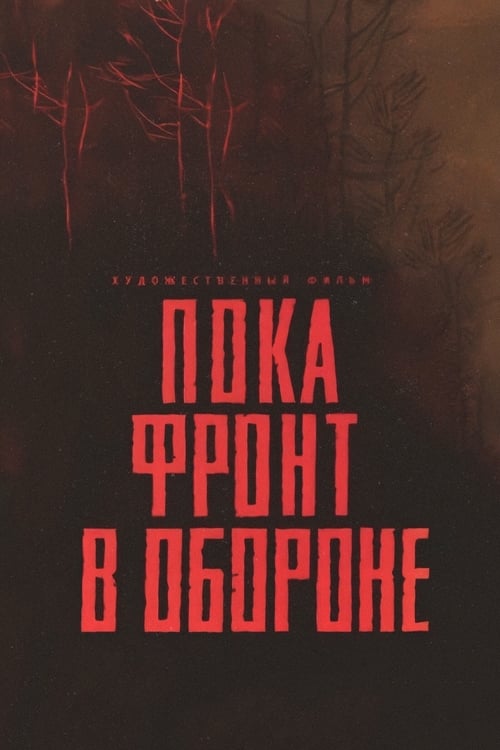
Defending the Front Line is a period drama that reinforces the socio-political hierarchies of the 1960s Soviet era. The narrative focuses on duty, communal resilience, and the psychological dimensions of the Volkhov Front. The film serves as a vehicle for nationalistic sentiment and institutional cohesion. It does not aim to disrupt social norms or explore identity politics, instead using the war setting to validate traditional interpersonal dynamics and state-driven roles. Ultimately, the work prioritizes the preservation of the state and the sanctity of the front line, aligning closely with the traditionalist values of its production period.
Category Breakdown
The film does not include any queer narratives or non-straight identities. Romantic relationships are limited to traditional heterosexual structures, such as the relationship between Rusanov and Katya.
Women are present in supportive roles, such as Katya the signal operator. However, the narrative upholds a traditional hierarchy where men hold primary combat and leadership positions.
The film likely reflects a homogeneous Soviet identity typical of the era. It lacks the multi-ethnic depth and multi-layered complexity found in more modern global cinema.
The story is deeply rooted in state-sanctioned patriotism and institutional loyalty. It prioritizes national identity and collective duty over individual or diverse cultural expressions.
There is no information regarding the portrayal of physical or neurodivergent disabilities within the film's narrative.
Present on Screen
Limited or Absent
Official Synopsis
Volkhov Front in 1942. The young political instructor of the counter-propaganda department of the headquarters of the division Rusanov is torn to the forefront. Together with an experienced warrior — captain Shaternikov — the hero gets to the forefront and transmits from the sound transmission programs addressed to German soldiers. And in the hours of calm passes several kilometers in order to see Katya, the signal woman of a neighboring sector of the front.
1972

1972
1992
1974

2019
1967
1976
1974
No reviews yet. Be the first to share your thoughts on this movie!
Use the rating form above to leave a star rating and optional review.