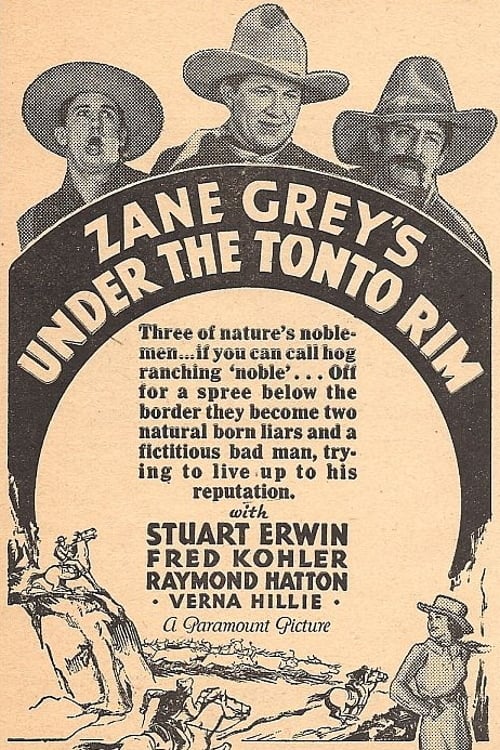
Under the Tonto Rim
1933
No user ratings available yet
Diversity score: 2.1 out of 10
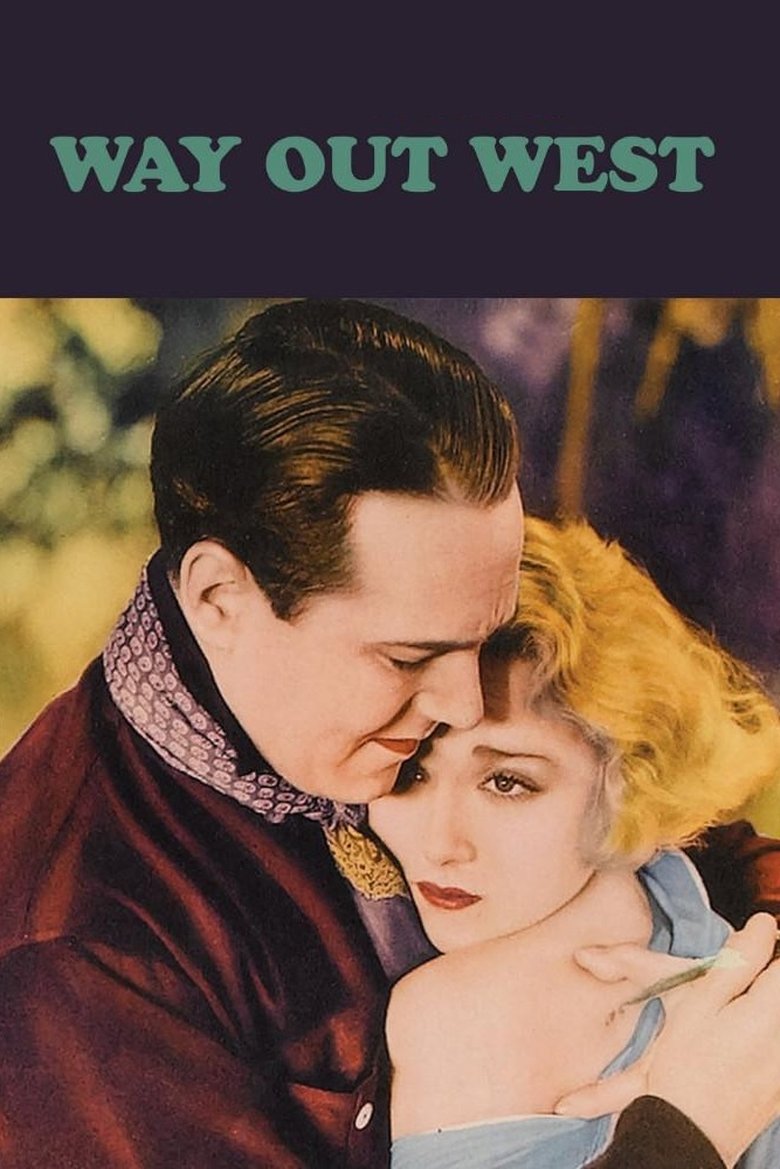
1930
Director
Fred Niblo
Runtime
71 minutes
Average Rating
No ratings yetSynopsis
Wise-guy carnival barker Windy bilks a group of cowboys out of their money, gets caught and is forced into working off the debt on their ranch. He falls in love with Molly, the pretty owner of the ranch, but runs afoul of foreman Steve, who also loves Molly.
Overall Score
Minimal
Category Breakdown
LGBTQ+ Representation
The film operates within a strictly heteronormative framework. The central conflict relies on a traditional romantic rivalry between two men for a single female lead. No queer subtext or non-cisnormative identities are present.
Gender Representation
Gender dynamics are largely traditional, with the female lead serving as a romantic catalyst. Male characters drive the action through physical comedy and competitive masculinity. Women are positioned as romantic prizes within a male-dominated landscape.
Racial & Ethnic Diversity
The cast is predominantly homogeneous, reflecting a white-centric frontier society. There is a lack of significant non-Anglo-Saxon characters or meaningful ethnic blending within the narrative.
Religious & Cultural Diversity
The story celebrates traditional Western archetypes and property ownership. It upholds conventional morality and social cohesion, treating outlaw elements as comedic devices rather than systemic critiques.
Disability Representation
There are no discernible depictions of physical or neurodivergent disabilities. Characters are portrayed through standard, able-bodied comedic archetypes.
Strengths
Areas for Improvement
AI Analysis
Way Out West is a quintessential product of the early sound era, adhering strictly to the rigid social frameworks of 1930s Hollywood. The narrative prioritizes romantic courtship and slapstick comedy over any disruption of established social hierarchies. The film reinforces traditional Western archetypes, focusing on property, romantic competition, and the restoration of social order. It functions as a baseline for the conventional Western comedy of its period, offering minimal disruption to prevailing social narratives. Ultimately, the work lacks intersectional complexity. It relies on established genre conventions that reinforce traditional gender, racial, and cultural hierarchies common to the era.
No reviews yet. Be the first to share your thoughts on this movie!
Use the rating form above to leave a star rating and optional review.