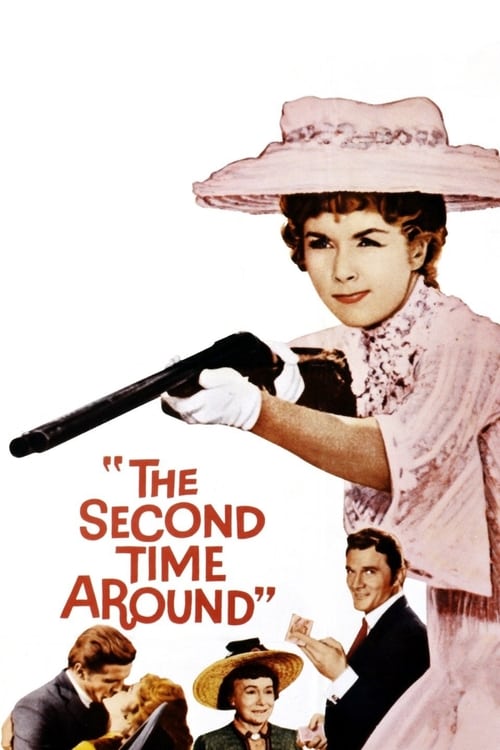
The Second Time Around
1961
No user ratings available yet
Representation score: 1.4 out of 10

Representation Score
Minimal
1926
NRDirector
Victor Fleming
Runtime
71 minutes
Average Rating
No ratings yetNew Showbiz Analysis
Mantrap is a typical period melodrama that adheres to the conventional social and narrative structures of the 1920s. It features a traditional romantic triangle, using established archetypes without challenging them. The film lacks intentional representation of diverse identities. It operates within a framework of traditional gender and racial norms characteristic of early Hollywood cinema, focusing on white, Anglo-Saxon protagonists and heterosexual romance. Ultimately, the production reflects the era's mainstream storytelling, emphasizing socioeconomic tension and romantic desirability over diverse or inclusive character perspectives.
Category Breakdown
The film follows traditional heterosexual romantic structures typical of the 1920s. There are no queer narratives or non-cisgender identities represented.
The plot revolves around a manicurist whose desirability drives the conflict. She shows romantic ability to act but the narrative relies on traditional gender roles and stereotypes.
The cast appears homogeneous, reflecting the era's preference for white, Anglo-Saxon protagonists. There is no evidence of racial diversity.
The story uses socioeconomic class differences between rural and sophisticated characters as a dramatic device. It adheres to traditional Western social structures without challenging them.
There is no evidence of characters with physical or neurodivergent disabilities in the film.
Present on Screen
Limited or Absent
Official Synopsis
A sexy young manicurist living with her older backwoodsman husband in a small Canadian town finds herself attracted to a young, rich and famous divorce lawyer who comes to town on vacation.
1961

1960
1941

1923
1920

1924

1929

1919
No reviews yet. Be the first to share your thoughts on this movie!
Use the rating form above to leave a star rating and optional review.