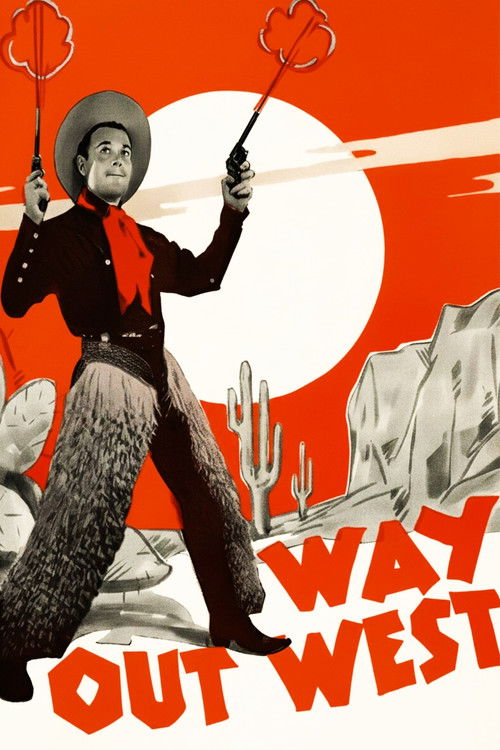
Way Out West
1930
No user ratings available yet
Representation score: 0.4 out of 10
Representation Score
Minimal
1933
PassedDirector
Henry Hathaway
Runtime
63 minutes
Average Rating
No ratings yetNew Showbiz Analysis
The film adheres to traditional Western themes, reinforcing existing social and racial hierarchies. It relies on established formulas to validate the settler experience, rather than offering nuanced perspectives. The narrative structure emphasizes racialized antagonism and conventional gender roles. By portraying indigenous populations as threats and limiting female characters to supportive roles, the film upholds the cultural norms of the early 20th century. Ultimately, the film lacks depth in exploring diverse identities and social structures, focusing instead on reinforcing the moral binaries and hierarchies of the time.
Category Breakdown
The film does not include any LGBTQ+ characters or explore non-straight identities.
Tonto Daley holds the narrative ability to act, while female characters play secondary roles. Nina Weston supports the main character but does not have the autonomy to drive the plot.
Native American characters are portrayed as antagonists and external threats, reinforcing a Eurocentric perspective by depicting indigenous populations as obstacles to progress.
The film upholds traditional Western values and property rights, presenting a clear moral binary that aligns with the social norms of the time.
There are no prominent depictions of physical or neurodivergent disabilities in the film.
Present on Screen
Limited or Absent
Official Synopsis
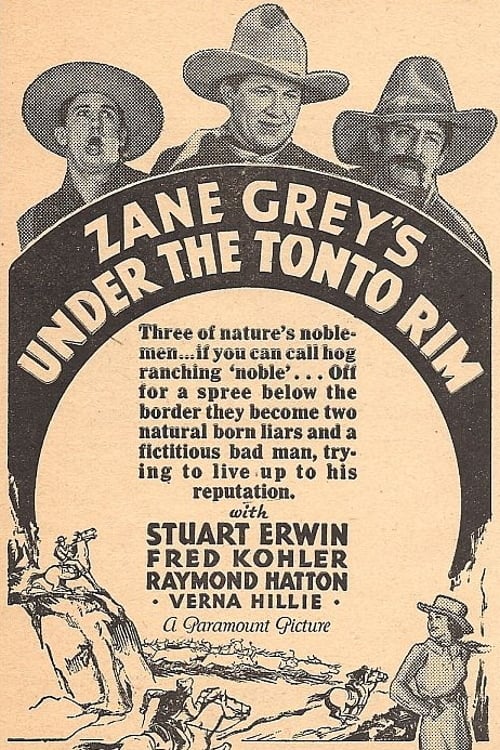
Tonto Daley (Stuart Erwin) is a failed ranch hand who accidentally causes a wagon accident, leading him to abandon his job. He becomes a hog farmer, but is framed for cattle rustling by a former foreman, prompting him to fight back and clear his name with the help of Nina Weston (Verna Hillie).
1930
1940
1934
1943
1936
1932
1938
1931
No reviews yet. Be the first to share your thoughts on this movie!
Use the rating form above to leave a star rating and optional review.