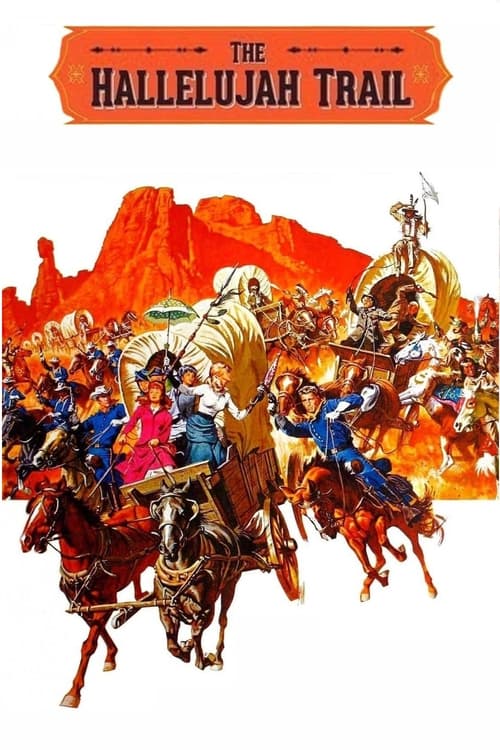
The Hallelujah Trail
1965
No user ratings available yet
Diversity score: 1.6 out of 10
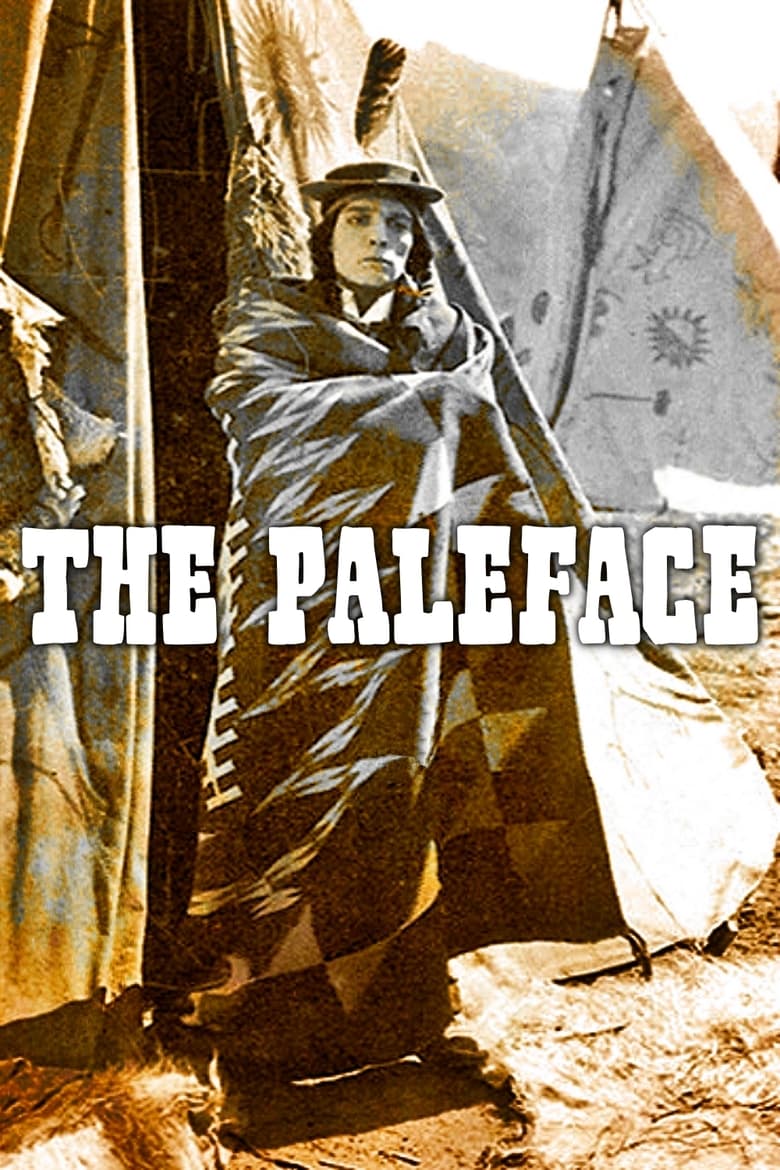
1922
Not RatedDirector
Buster Keaton, Edward F. Cline
Runtime
25 minutes
Average Rating
No ratings yetSynopsis
A butterfly collector unwittingly wanders into an Indian encampment while chasing a butterfly, but the tribe has resolved to kill the first white man who enters their encampment because white oil tycoons are trying to force them from their land.
Overall Score
Limited
Category Breakdown
LGBTQ+ Representation
The film contains no discernible LGBTQ+ characters or narratives. The social landscape is presented through a strictly traditional lens consistent with 1920s cinematic conventions.
Gender Representation
Female characters function primarily as romantic interests or catalysts for the protagonist. They lack the agency to drive the central conflict, reinforcing traditional masculine archetypes.
Racial & Ethnic Diversity
The film depicts Indigenous populations with a specific, defensive political agency. The tribe resists white oil tycoons, shifting the narrative toward a struggle over territorial sovereignty.
Religious & Cultural Diversity
The film offers an incidental critique of Western expansion via the presence of oil tycoons. However, it lacks a sustained critique of religion or organized Western institutions.
Disability Representation
There are no visible or invisible disabilities portrayed with depth. The physical comedy relies on the protagonist's bodily resilience rather than engaging with lived experiences of disability.
Strengths
Areas for Improvement
AI Analysis
The Paleface is a traditional slapstick Western that lacks modern intersectional depth. While it fails to provide diverse casting or representation for LGBTQ+ and disabled communities, it avoids being a purely reactionary genre piece. The film's strength lies in its unintentional commentary on systemic land displacement. By framing the conflict around Indigenous resistance to capitalist encroachment, it introduces a layer of moral complexity regarding territorial sovereignty. However, the film remains limited by the era's social hierarchies. Gender roles are strictly traditional, and the narrative lacks a broader critique of Western institutional or religious structures.
1965
1958
1925
1945
1955
1919
1970
1942
1975
1924
1943
1926
No reviews yet. Be the first to share your thoughts on this movie!
Use the rating form above to leave a star rating and optional review.