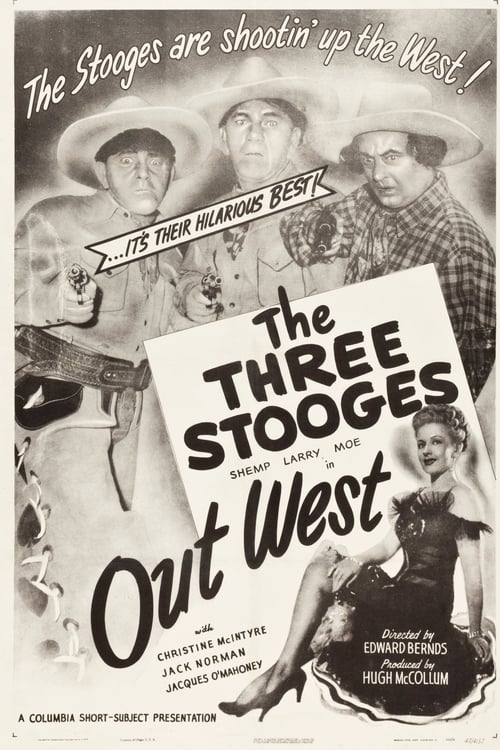
Out West
1947
No user ratings available yet
Diversity score: 1.8 out of 10
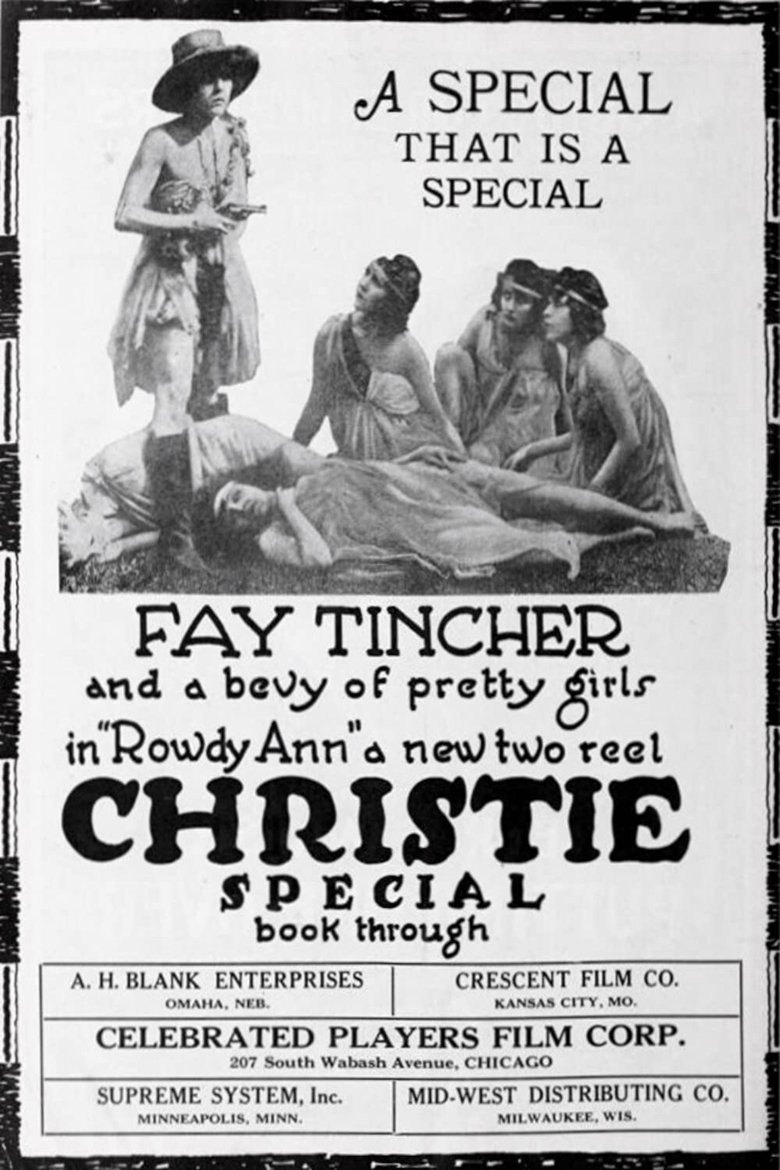
1919
Director
Al Christie
Runtime
21 minutes
Average Rating
No ratings yetSynopsis
Ann is one tough cowgirl. After she beats up Hank, her parents send her East to college, hoping she'll come back a lady.
Overall Score
Limited
Category Breakdown
LGBTQ+ Representation
The film contains no evidence of LGBTQ+ characters or non-cisnormative identities. The narrative focuses entirely on the protagonist's gender performance within a traditional Western framework.
Gender Representation
Ann subverts traditional hierarchies by possessing the physical agency to overpower a male character. The plot highlights the tension between her frontier autonomy and societal attempts to force her into domestic femininity.
Racial & Ethnic Diversity
The film appears to adhere to the homogeneous casting standards typical of the 1919 Western genre. There is no indication of a non-white or diverse cast.
Religious & Cultural Diversity
The story critiques social institutions by pitting unregulated autonomy against the rigid decorum of Eastern refinement. It explores the conflict between a 'rowdy' individual and socially compliant expectations.
Disability Representation
There is no evidence of characters with visible or invisible disabilities being portrayed within the narrative.
Strengths
Areas for Improvement
AI Analysis
Rowdy Ann stands out as a period comedy that disrupts early 20th-century gender norms. By centering a tough cowgirl who physically dominates her male peers, the film challenges the era's standard of submissive femininity. However, the film's diversity is heavily lopsided. While it offers a progressive take on gendered power dynamics, it lacks any meaningful representation of racial, LGBTQ+, or disability identities, reflecting the era's narrow casting standards. Ultimately, the film is a study in individual agency versus societal correction, though its impact is limited by its lack of intersectional breadth.
1947
1945
1925
1950
1926
1919
1992
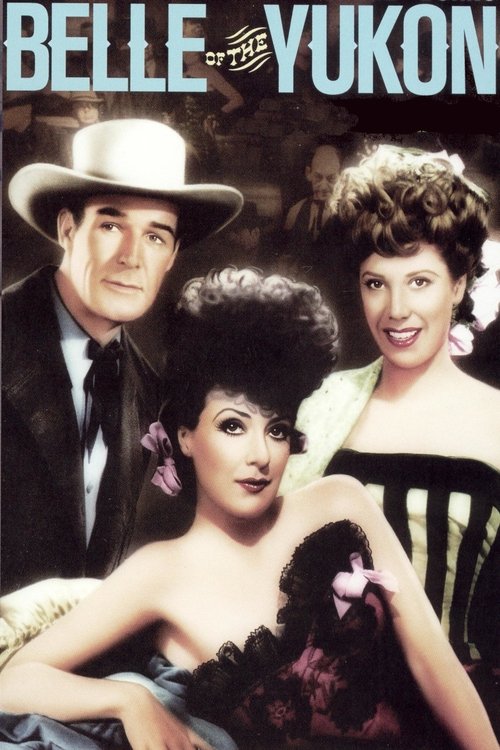
1944
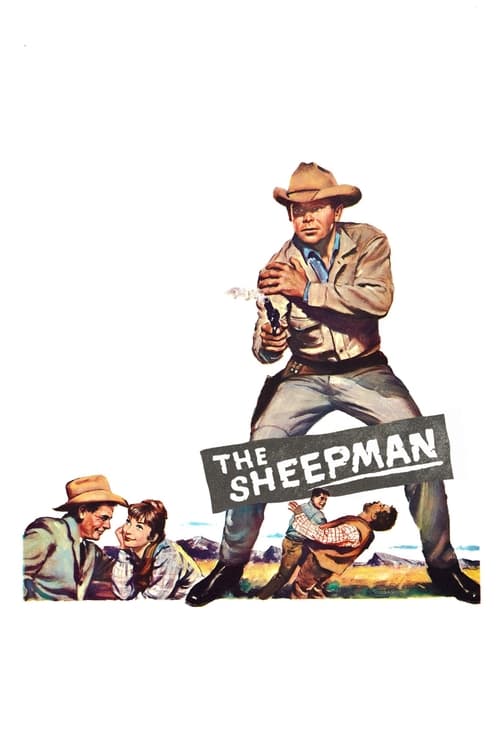
1958
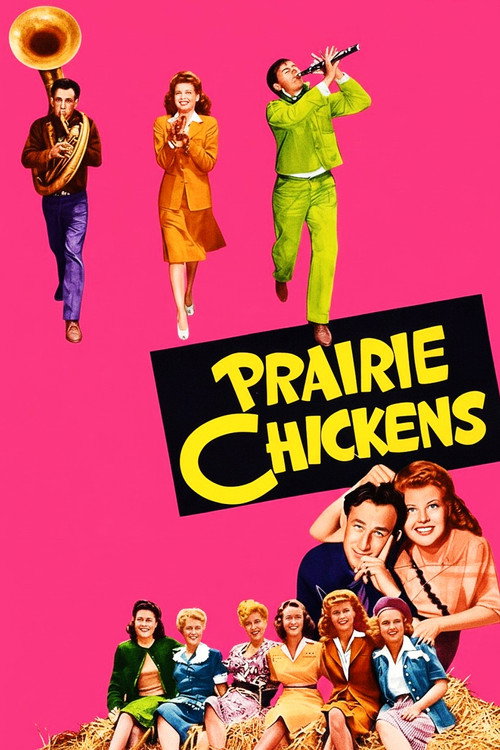
1943
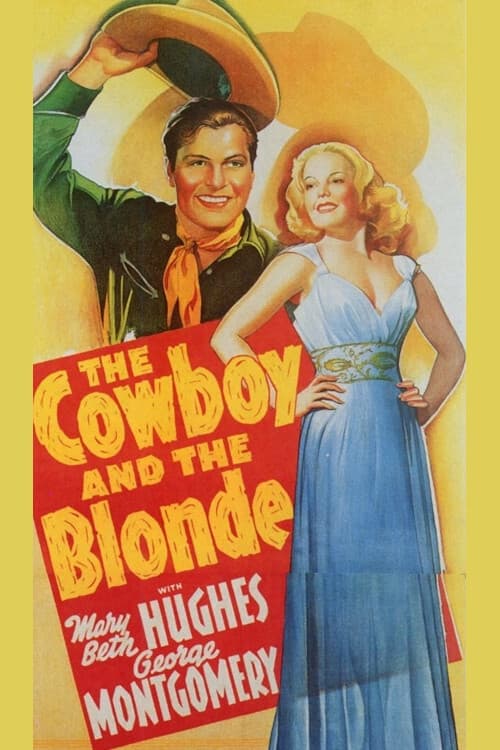
1941

2016
No reviews yet. Be the first to share your thoughts on this movie!
Use the rating form above to leave a star rating and optional review.