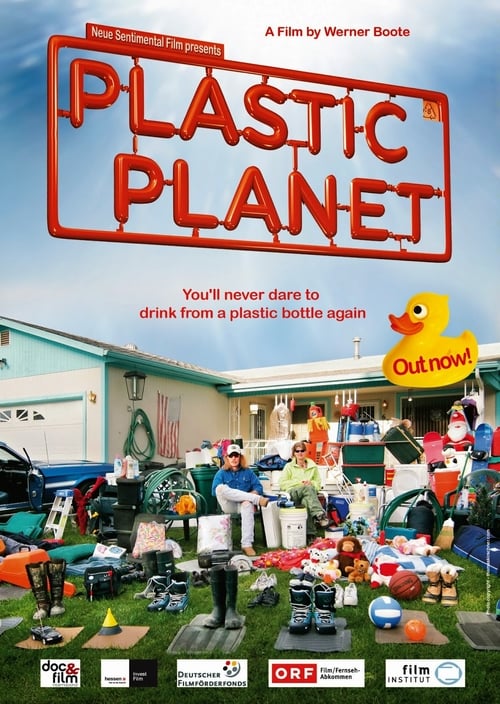
Plastic Planet
2009
No user ratings available yet
Representation score: 5.0 out of 10
Representation Score
Good
2002
Director
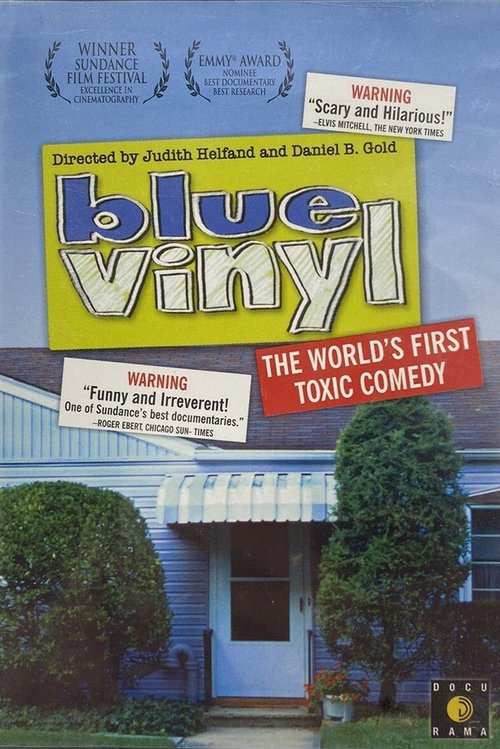
Judith Helfand, Daniel B. Gold
Runtime
93 minutes
Average Rating
No ratings yetNew Showbiz Analysis
Blue Vinyl is a documentary that prioritizes the deconstruction of consumerist identity over demographic diversity. Its main impact comes from its intellectual subversion of capitalist norms and its refusal to maintain the detached authority of traditional documentary filmmaking. While the film excels in cultural critique, it lacks depth in explicit representation. The cast is largely homogeneous, and the narrative does not center on specific LGBTQ+ or racial identities, focusing instead on the psychological effects of PVC and collecting. Ultimately, the work functions as a critique of systemic consumerism. It succeeds as a piece of investigative storytelling that uses personal narrative to interrogate social habits, even if it misses opportunities for broader social inclusion.
Category Breakdown
The film does not feature explicit LGBTQ storylines or identity-focused conversations. Instead, it highlights the directors' unconventional partnership within a domestic setting.
Judith Helfand leads the investigation, emphasizing women's ability to drive the story and their intellectual curiosity. The film portrays domestic spaces as places of inquiry rather than traditional feminine roles.
The cast of collectors and consumers is predominantly of one ethnicity. The settings, ranging from Long Island to retail environments, do not show much racial mixing or diverse casting.
The film strongly critiques capitalist structures and consumerist tendencies. It challenges Western ideas of objective observation through a postmodern, subjective lens.
The narrative touches on compulsive collecting and neurodivergent behaviors. However, these are discussed through the lens of consumer psychology rather than as a formal exploration of disability.
Present on Screen
Limited or Absent
Official Synopsis
With humor, chutzpah and a piece of vinyl siding firmly in hand, Peabody Award-winning filmmaker Judith Helfand and co-director and award-winning cinematographer Daniel B. Gold set out in search of the truth about polyvinyl chloride (PVC), America's most popular plastic. From Long Island to Louisiana to Italy, they unearth the facts about PVC and its effects on human health and the environment.
2009
2015
2018
2010
2008

2020
2019
2007
No reviews yet. Be the first to share your thoughts on this movie!
Use the rating form above to leave a star rating and optional review.