
Cousin Angelica
1974
No user ratings available yet
Representation score: 6.8 out of 10
Representation Score
Fair
1969
Director
Jaime Camino
Runtime
108 minutes
Average Rating
No ratings yetNew Showbiz Analysis
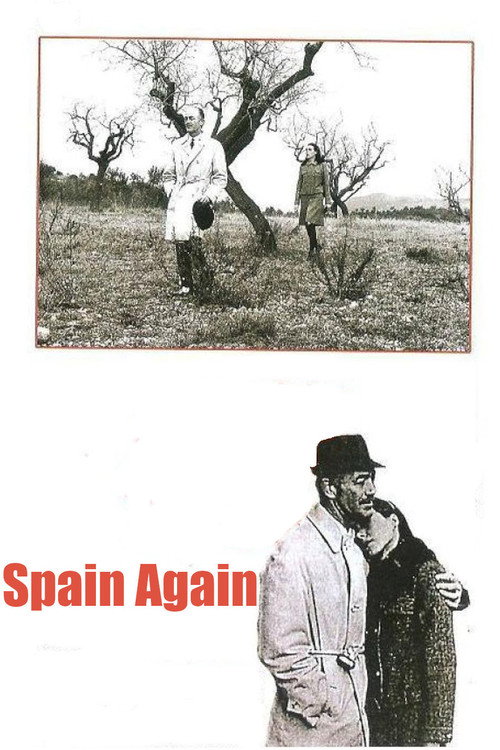
Spain Again is a character-driven film centered around a physician grappling with the psychological impacts of the Spanish Civil War. The narrative emphasizes the protagonist's personal desires and historical trauma over a broad spectrum of identities. While the film offers a deep exploration of historical memory and social disruption, it adheres closely to the gender and romantic norms of the late 1960s. The storytelling leans on traditional archetypes and a localized demographic. Ultimately, the film provides a meaningful look at social disruption but falls short in representing a diverse range of identities.
Category Breakdown
The film focuses on heterosexual relationships and does not include characters with non-binary gender identities or challenge traditional romantic structures.
Female characters play significant roles, but the story mainly follows the male protagonist's journey. The film uses the 'exotic beauty' stereotype, suggesting a reliance on traditional feminine roles.
The cast reflects the local Mediterranean population of the time period. There is no indication of significant racial diversity or non-white actors to break the historical norm.
The story delves into the historical memory of the Spanish Civil War and examines the tension between societal institutions and individual experiences.
There is no mention of characters dealing with physical or neurodivergent disabilities.
Present on Screen
Limited or Absent
Official Synopsis
David is a physician who returns to Spain 30 years after his involvement in the Spanish Civil War. Now a member of a medical convention, he looks up old friends and finds his former lover, now a married woman with a flamenco-dancing daughter. He and the daughter have an immediate and mutual attraction to each other. He considers running away with the exotic beauty before asking his wife to join him for an extended vacation after the convention .
1974

1950
1967

1984
1992

1955

1972

1963
No reviews yet. Be the first to share your thoughts on this movie!
Use the rating form above to leave a star rating and optional review.