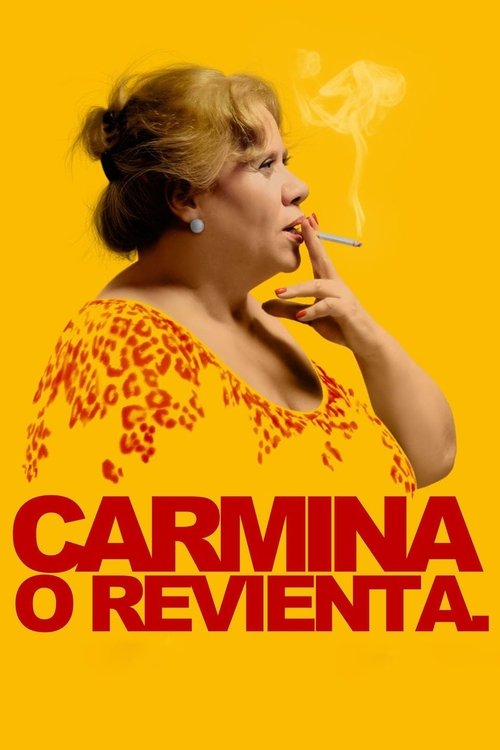
Carmina or Blow Up
2012
No user ratings available yet
Representation score: 7.5 out of 10

Representation Score
Fair
2015
Director
Massimiliano Bruno
Runtime
103 minutes
Average Rating
No ratings yetNew Showbiz Analysis
The film primarily functions as a socio-economic critique rather than a study of identity-based diversity. It finds its strength in challenging traditional gender roles, presenting a female protagonist who actively challenges corporate authority. However, the film lacks depth in representing multiple aspects of identity. The narrative remains rooted in traditional romantic structures and localized Italian settings, offering little representation for LGBTQ+ or diverse racial identities. Ultimately, the work succeeds in portraying a class-based struggle, but its narrow focus on domestic socio-economic issues limits its broader diversity impact.
Category Breakdown
The story centers on a heterosexual relationship between Luciana and Stefano. There is no evidence of non-binary gender identities or critiques of heterosexuality within the plot.
Luciana serves as a actively leading protagonist who disrupts male-dominated corporate hierarchies. Her decisive actions drive the plot, moving her beyond the role of a submissive figure.
The film focuses on localized Italian socio-economic struggles. There is no indication of a diverse cast or the inclusion of non-Anglo-Saxon identities.
The narrative critiques capitalist institutions and the indifference of corporate structures. It frames the struggle for family stability against an oppressive economic system.
The provided material contains no information regarding the portrayal of physical, neurodivergent, or mental health disabilities.
Present on Screen
Limited or Absent
Official Synopsis
Luciana is a factory worker married to the love of her life. She is living the simple and quiet life she’s always desired: she works and she is deeply in love with her husband Stefano, even if he doesn’t always have a job and they both need to struggle to keep on going. They are happy and always on each other’s side, but shortly after she finds out she’s pregnant, she gets fired and her world starts falling apart. After having tried to have a baby for years, the joy of impending motherhood lasts only a few months. Begging for help but with no one ready to listen to her, completely desperate and shattered, Luciana decides to kidnap the managing director of her former company, asking for the justice she deserves.
2012
1990

2001

2008

2012

1993

2022

2013
No reviews yet. Be the first to share your thoughts on this movie!
Use the rating form above to leave a star rating and optional review.