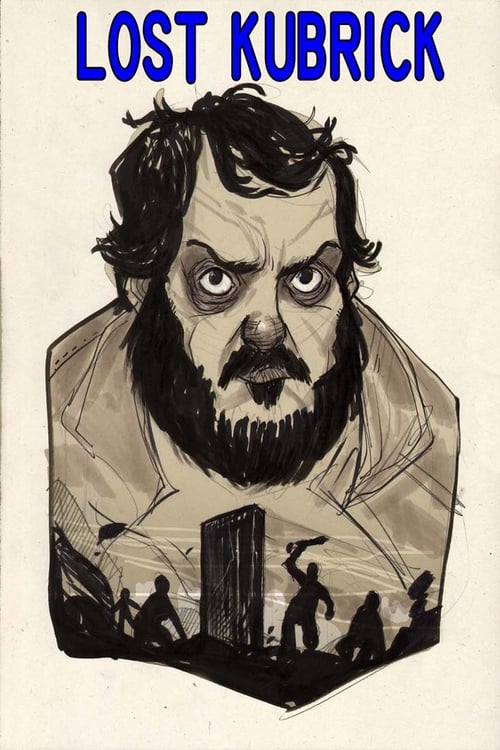
Lost Kubrick: The Unfinished Films of Stanley Kubrick
2007
No user ratings available yet
Diversity score: 2.3 out of 10

2014
Director
David Gregory
Runtime
98 minutes
Average Rating
No ratings yetSynopsis
The story of the insane scandals related to the remake of “Island of Dr. Moreau” —originally a novel by H. G. Wells—, which was brought to the big screen in 1996. How director Richard Stanley spent four years developing the project just to find an abrupt end to his work while leading actor Marlon Brando pulled the strings in the shadows. Now for the first time, the living key players recount what really happened and why it all went so spectacularly wrong.
Overall Score
Limited
Category Breakdown
LGBTQ+ Representation
The documentary focuses on the technical and logistical history of a film production. There is no evidence of LGBTQ+ characters or non-heteronormative identities within the subject matter.
Gender Representation
The film documents a historically male-dominated industry space. The narrative centers on the struggle of individual creators against institutional gatekeepers rather than subverting gender hierarchies.
Racial & Ethnic Diversity
The subject matter centers on Western cinematic history involving largely Anglo-centric figures. There is no significant evidence of intersectional casting or non-white perspectives within the investigative scope.
Religious & Cultural Diversity
The film provides a critique of the Hollywood studio system. It portrays traditional industry institutions as obstructive and volatile, prioritizing lost creative truths over commercialized output.
Disability Representation
The documentary touches upon the psychological toll and scandals of the production. However, it does not use disability as a central thematic driver or tool for agency.
Strengths
Areas for Improvement
AI Analysis
Lost Soul serves as a meta-cinematic autopsy of a failed production, shifting focus from H.G. Wells’ source material to the systemic frictions of the film industry. It examines the collision between independent creative vision and the rigid structures of studio-driven capital. The film's value lies in its deconstruction of the Hollywood studio system rather than identity-based representation. It frames the production's collapse as a systemic byproduct of industry politics and the influence of dominant figures like Marlon Brando. While the documentary lacks intersectional demographic diversity, its narrative architecture disrupts conventional success tropes. It offers a study of institutional dysfunction and the fragility of independent artistic agency.
2007
2003

2007
1996
2000

2009

2000

1993
2001

1999
2006
2012
No reviews yet. Be the first to share your thoughts on this movie!
Use the rating form above to leave a star rating and optional review.