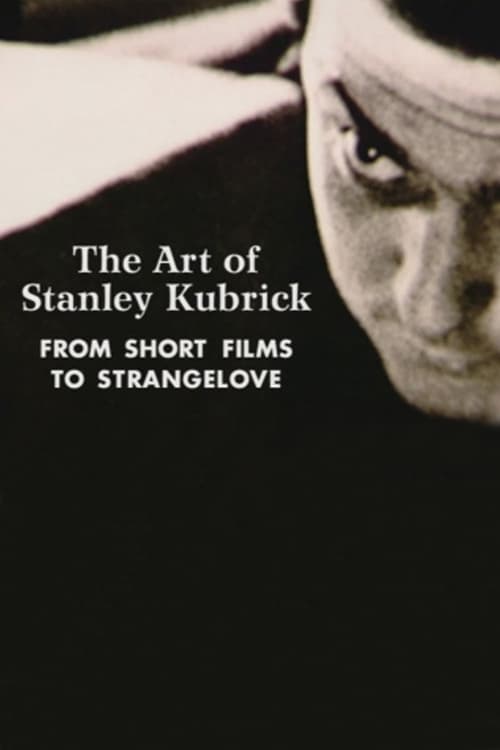
The Art of Stanley Kubrick: From Short Films to Strangelove
2000
No user ratings available yet
Representation score: 4.0 out of 10
Representation Score
Fair
2000
NRDirector
David Naylor
Runtime
46 minutes
Average Rating
No ratings yetNew Showbiz Analysis
This documentary functions as a retrospective study of Stanley Kubrick's craft. Its diversity profile is split between its historical subject matter and its analytical themes. While it lacks representation in identity-based categories, it excels in cultural critique. The film's low scores in gender and racial diversity stem from its focus on a specific, homogeneous era of Western cinema. However, the documentary gains significant merit through its cultural analysis. By examining the deconstruction of institutional power and Western hegemony, it offers a sophisticated critique of systemic authority.
Category Breakdown
The documentary focuses on the technical and creative processes of filmmaking. It does not include explicit LGBTQ+ character arcs or narratives coded as queer.
The narrative centers on a directorial style and era that traditionally emphasized male-dominated hierarchies. It highlights the creative leadership of male auteurs.
The film serves as a historical preservation of a predominantly white production era. It lacks diverse casting and inclusive retrospective commentary.
The documentary critiques Western military-industrial complexes and state-sanctioned authority. It explores themes of systemic absurdity and the deconstruction of patriotic narratives.
There is no exploration of neurodivergence or physical disabilities as central themes. These topics are not given significant attention within the film.
Present on Screen
Limited or Absent
Official Synopsis
A documentary on the making of Stanley Kubrick's classic 1964 film.
2000
2001
2004
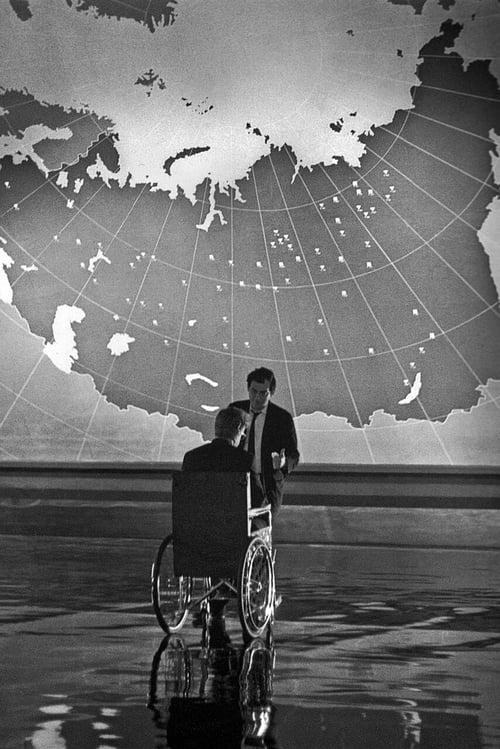
2019

2004
1999
2004
1980
No reviews yet. Be the first to share your thoughts on this movie!
Use the rating form above to leave a star rating and optional review.