Jurassic Punk
2022
No user ratings available yet
Diversity score: 4.7 out of 10
1993
Director
David Dugan
Runtime
55 minutes
Average Rating
No ratings yetSynopsis
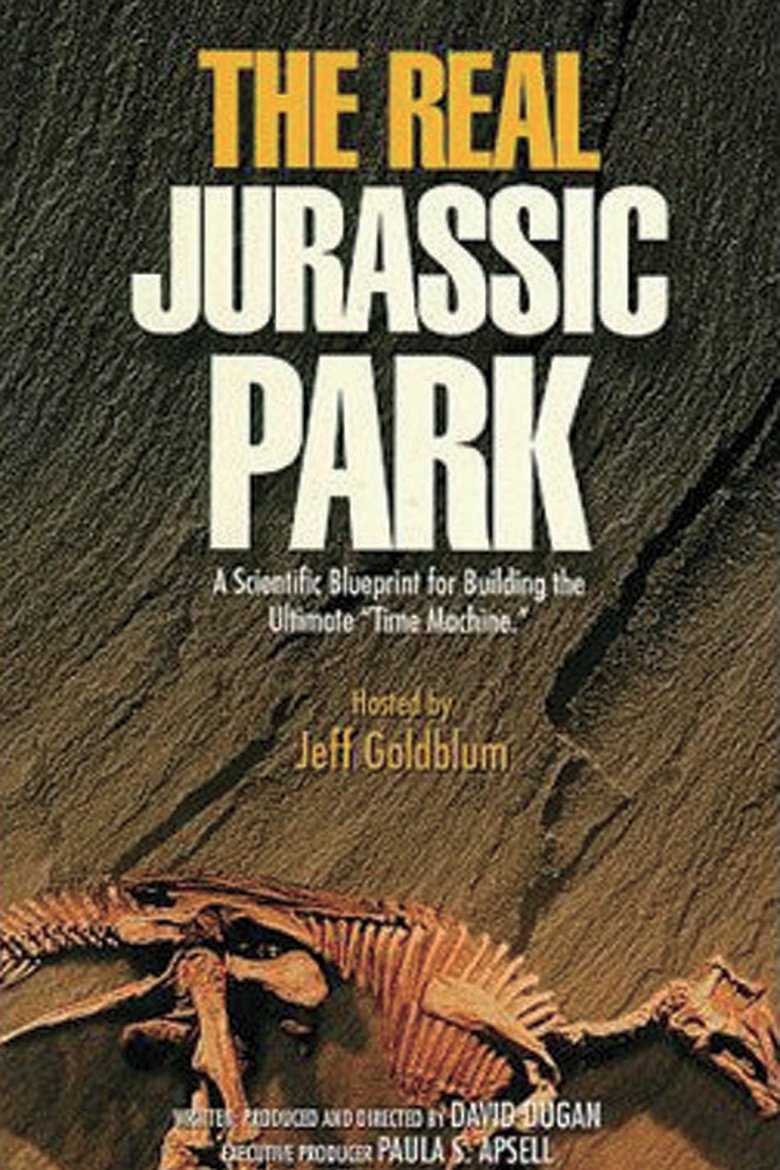
Could scientists recreate Hollywood's Jurassic Park using 100-million-year-old dinosaur DNA? Director Steven Spielberg, author Michael Crichton, actor Jeff Goldblum, and a host of scientific experts answer this compelling question in the award-winning Nova documentary, The Real Jurassic Park. Behind-the-scenes clips, interviews, and demonstrations with leading paleontologists investigate the viability of reviving the extinct species. All phases of logistics are addressed, including extracting prehistoric insect DNA, creating embryos for placement in host eggs, and more. The scientific analysis of the process leads to the examination of the ethics of recreating a vanished life form.
Overall Score
Fair
Category Breakdown
LGBTQ+ Representation
The documentary focuses strictly on paleontological theory and genetic engineering. There are no LGBTQ+ characters or explorations of non-cisnormative identities within this scientific framework.
Gender Representation
Gender representation is moderate, providing a platform for various scientific voices. However, the narrative remains within the standard pedagogical tone of 1990s educational broadcasting.
Racial & Ethnic Diversity
The cast of experts follows the standard academic demographics of the early 1990s. There is no evidence of a non-white majority cast or intentional efforts to disrupt demographic norms.
Religious & Cultural Diversity
The film engages with subjective morality by questioning the ethics of recreating vanished life forms. This introduces a framework of moral relativism regarding humanity's role in nature.
Disability Representation
This is a technical and scientific inquiry. There is no discernible focus on or representation of individuals with physical or neurodivergent disabilities.
Strengths
Areas for Improvement
AI Analysis
The documentary serves as a specialized educational tool centered on scientific inquiry rather than social representation. It prioritizes the logistics of DNA extraction and the ethics of biotechnology over character-driven narratives. While the film offers meaningful intellectual engagement regarding the morality of human interference with nature, it adheres to the traditional documentary structures of its era. This results in a lack of intentionality regarding intersectional identity politics. The production reflects the academic demographics of 1993, providing a global scientific perspective but lacking diverse social representation or the subversion of traditional hierarchies.
2022
2010
2016

2018

2008
2020
2007

1992

2022

2017

1974
2016
No reviews yet. Be the first to share your thoughts on this movie!
Use the rating form above to leave a star rating and optional review.