I Am My Own Laboratory
2018
No user ratings available yet
Diversity score: 4.7 out of 10
1996
Director
Oliver Hockenhull
Runtime
70 minutes
Average Rating
No ratings yetSynopsis
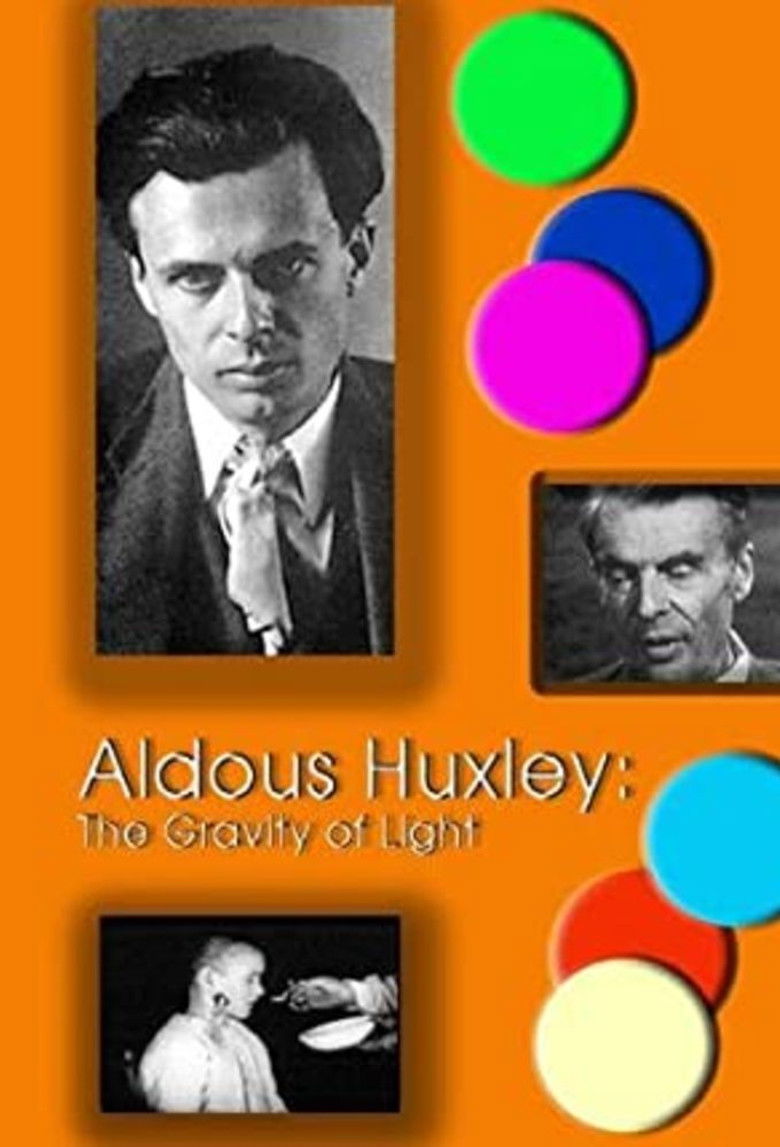
A look at the books written by Huxley as well as his drug experimentation.
Overall Score
Fair
Category Breakdown
LGBTQ+ Representation
The documentary focuses on Huxley’s literary and pharmacological studies. There is no evidence of LGBTQ+ narratives or critiques of heteronormativity within the film.
Gender Representation
The film follows a traditional biographical structure centered on a singular male intellectual. This approach lacks significant subversion of gender hierarchies or female agency.
Racial & Ethnic Diversity
The subject matter is rooted in a Western, Anglo-Saxon academic tradition. The film reflects the historical homogeneity of Huxley's specific social milieu.
Religious & Cultural Diversity
The exploration of psychedelic experimentation engages with themes of altered consciousness. However, the narrative remains anchored in a Western intellectual tradition.
Disability Representation
While Huxley’s visual impairments are central to his philosophy, the film does not explicitly use these to challenge disability tropes or drive agency.
Strengths
Areas for Improvement
AI Analysis
The documentary serves as a historical and philosophical inquiry into the life of Aldous Huxley. It prioritizes his intellectual output and chemical explorations over a diverse, intersectional narrative. While the film touches on the deconstruction of cognitive frameworks through drug experimentation, it remains tethered to a traditional 'Great Man' biographical format. This focus on a singular Western male figure limits its broader social representation. Ultimately, the work reflects the specific academic and social era of its subject, resulting in a standard, non-intersectional documentary approach.
2018
1998

1978
2010

1956

2011
2010

2012
2007
1999

2016
2014
No reviews yet. Be the first to share your thoughts on this movie!
Use the rating form above to leave a star rating and optional review.