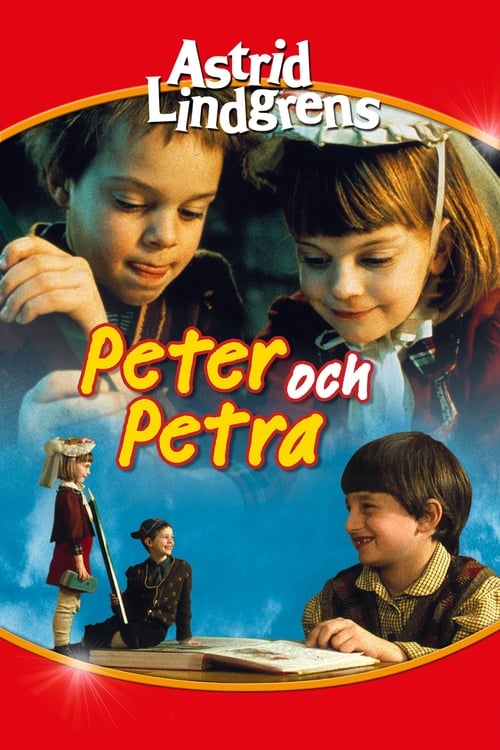
Peter and Petra
1989
No user ratings available yet
Representation score: 5.2 out of 10
Representation Score
Good
1988
Director
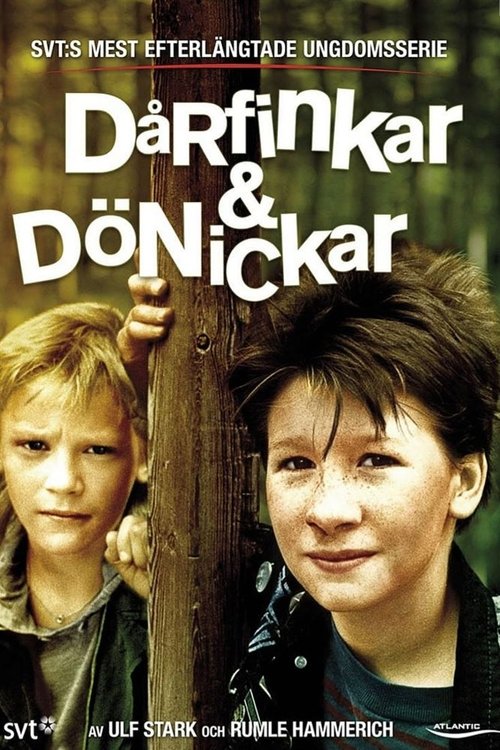
Ulf Stark, Rumle Hammerich
Runtime
152 minutes
Average Rating
No ratings yetNew Showbiz Analysis
Darfinkar & Donickar: The Movie operates within the framework of late-20th-century European social realism. It avoids the rigid, high-concept structures of Hollywood, opting instead for character-driven stories that explore human vulnerability and familial structures. While the film provides a moderate level of inclusion through its focus on nuanced social dynamics, it lacks the multi-layered approach found in more modern works. The representation remains largely tied to the localized, homogeneous social structures of 1980s Sweden. Ultimately, the film offers a realistic look at social institutions but does not provide explicit, intentional disruption of systemic norms or diverse identity representation.
Category Breakdown
The film doesn't include explicit LGBTQ+ characters or narratives that challenge the assumption that everyone is straight or cisgender. It follows the typical family programming standards of late-1980s European television.
The top roles given to Lena Strömberg and Gunnel Fred highlight a narrative focused on female perspectives. These characters probably have more control over the story compared to the passive male characters common in films of that time.
The production reflects the racial makeup of 1988 Sweden, which is predominantly white. There is no indication of a diverse cast or any effort to break away from the historical racial norms of the region.
The film uses a Scandinavian storytelling style that emphasizes secularism and social realism. It examines complex social institutions through a nuanced, skeptical lens rather than moral absolutes.
The title suggests a focus on eccentrics or those who fall outside the norm. However, it's unclear if this includes neurodivergence or just quirky character traits.
Present on Screen
Limited or Absent
Official Synopsis
The movie compiled from the Swedish TV series "Dårfinkar & dönickar" aired in 1988
1989
1970
1990
1969
1986
1994
2002
1980
No reviews yet. Be the first to share your thoughts on this movie!
Use the rating form above to leave a star rating and optional review.