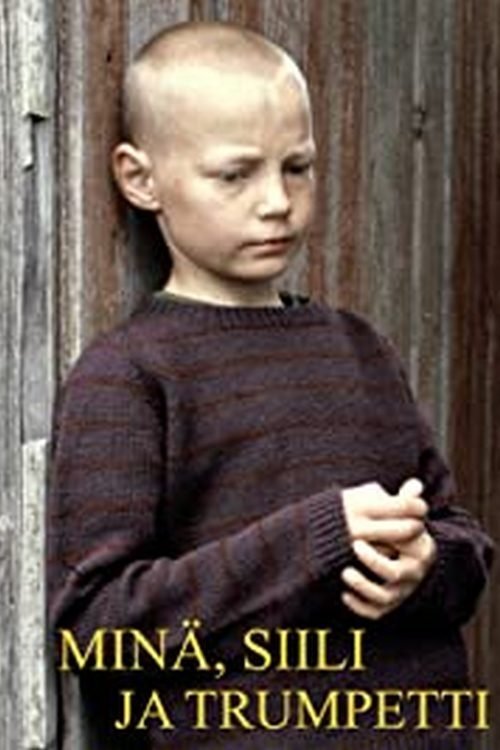
Minä, siili ja trumpetti
1983
No user ratings available yet
Diversity score: 3.9 out of 10
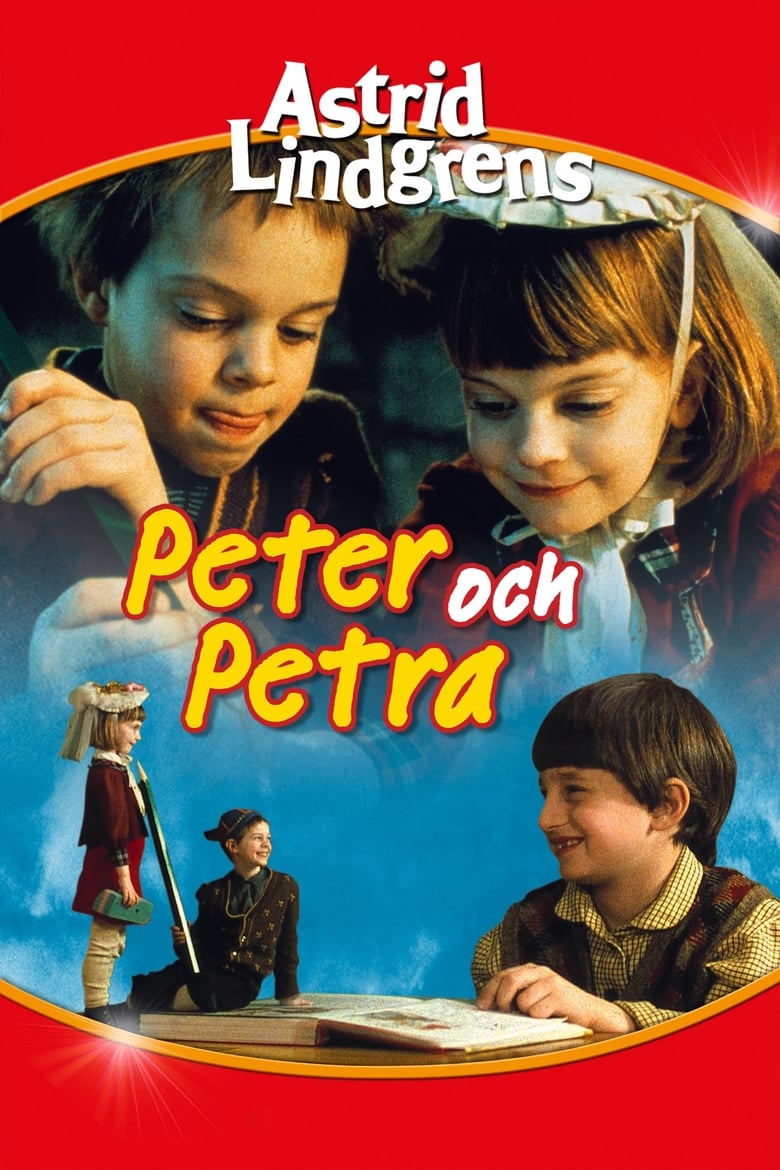
1989
Director
Agneta Elers-Jarleman
Runtime
76 minutes
Average Rating
No ratings yetSynopsis
Based on a short story from Astrid Lindgren. Peter and Petra are two small children. Two very small children! No bigger than two small dolls! They belong to the Little People, but their mom and dad think that even the Little People need to learn to read and write. They are allowed to start at a regular school, and Peter and Petra end up in Gunnar's class.
Overall Score
Limited
Category Breakdown
LGBTQ+ Representation
The story centers on a traditional nuclear family consisting of a mother and father. There is no evidence of same-sex intimacy or non-cisnormative identities within the Little People community.
Gender Representation
Peter and Petra share an educational journey, suggesting a baseline of social parity. However, the film does not explicitly subvert traditional gender roles or hierarchies.
Racial & Ethnic Diversity
The narrative functions as a localized, folkloric tale. It lacks a multi-ethnic cast, presenting a homogeneous social environment typical of its era and source material.
Religious & Cultural Diversity
The plot explores the tension between a specialized community and mainstream societal institutions. It emphasizes integration into existing structures rather than critiquing them.
Disability Representation
The characters navigate a world scaled for larger beings, which serves as a fantasy element. This scale does not provide a nuanced exploration of neurodivergence or physical disability.
Strengths
Areas for Improvement
AI Analysis
Peter and Petra is a traditional family-oriented production that adheres to the storytelling conventions of the late 1980s. It focuses on the integration of a fantastical community into standard societal structures, such as formal schooling. The film prioritizes established social norms and conventional character archetypes. While it touches on the concept of being an 'outsider' through the Little People, it lacks the intersectional complexity or systemic critique found in more progressive works. Ultimately, the narrative remains within a narrow, homogeneous lens, offering little representation of diverse identities or non-traditional family structures.
1983

1985
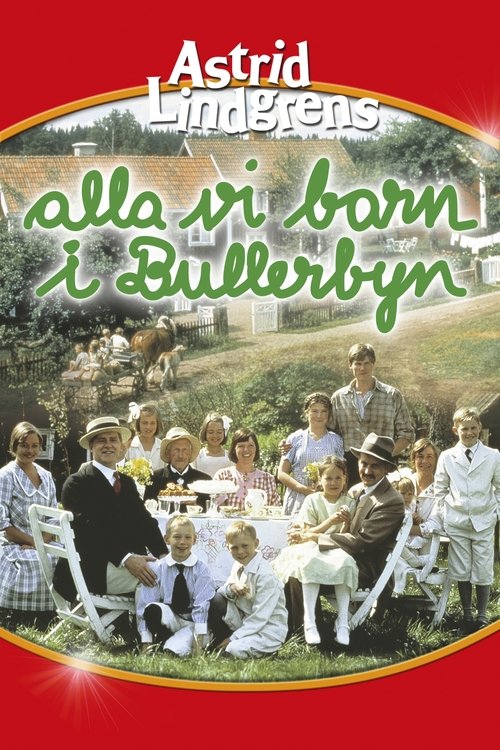
1986
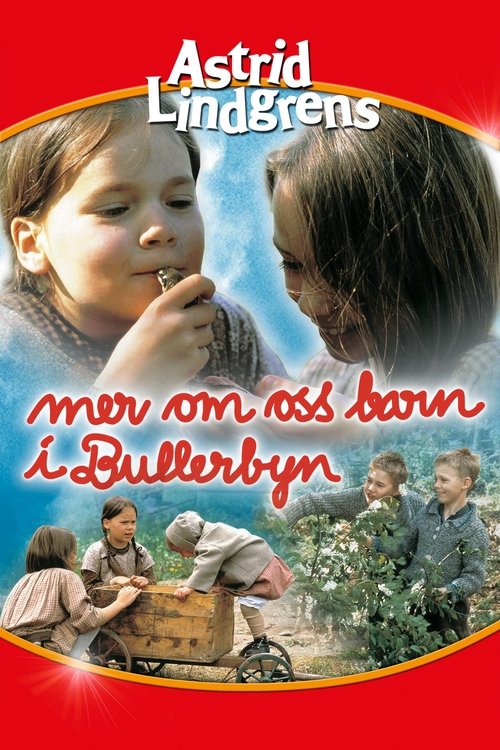
1987
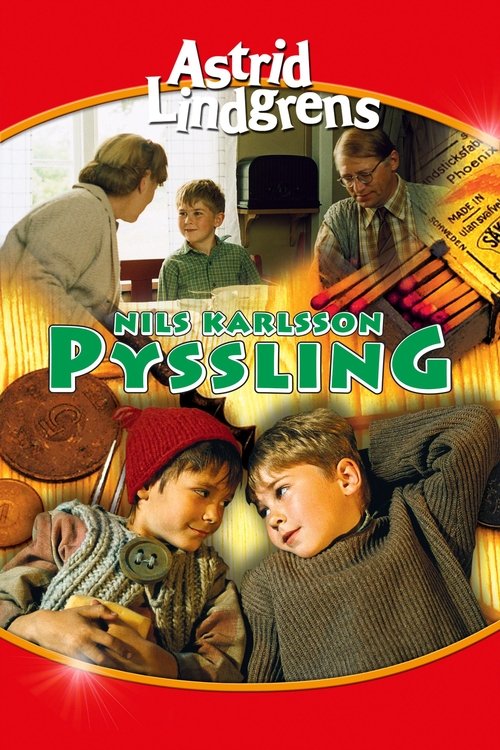
1990

2001
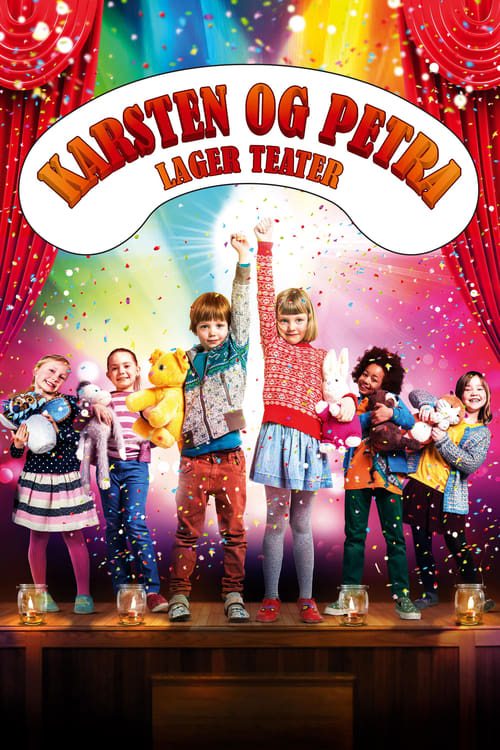
2017
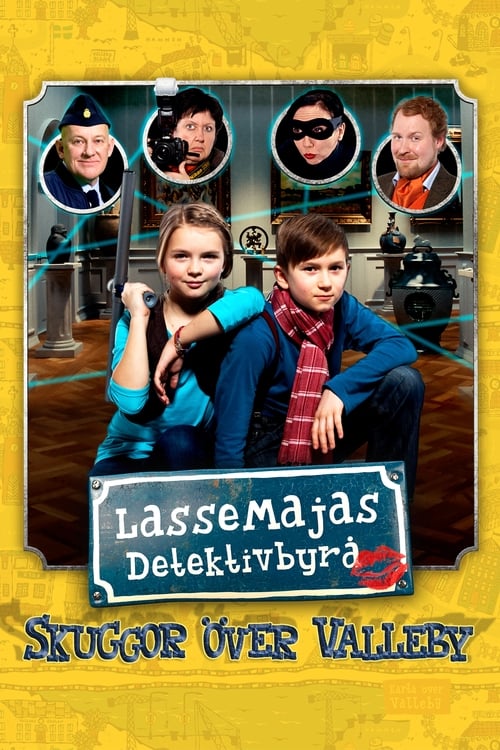
2014

2012
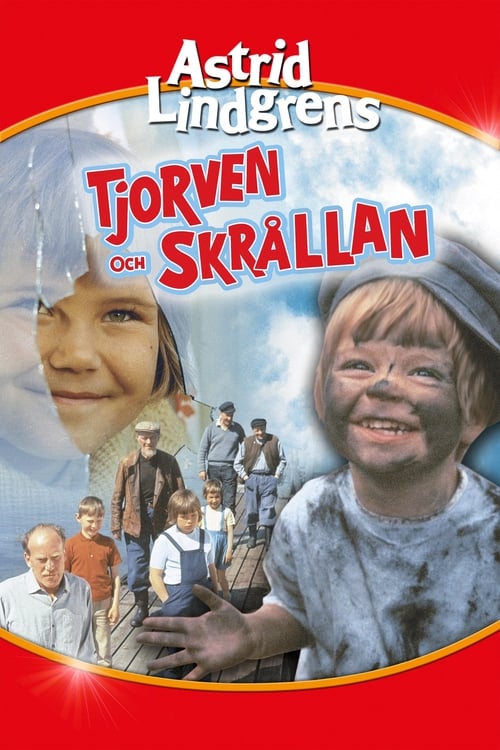
1965

2017
2001
No reviews yet. Be the first to share your thoughts on this movie!
Use the rating form above to leave a star rating and optional review.