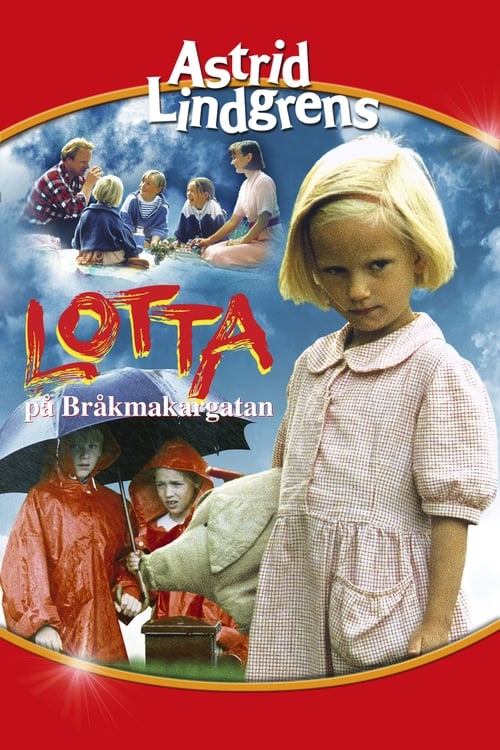
Lotta on Rascal Street
1992
No user ratings available yet
Representation score: 3.4 out of 10
Representation Score
Limited
1980
Director
Göran Graffman
Runtime
82 minutes
Average Rating
No ratings yetNew Showbiz Analysis
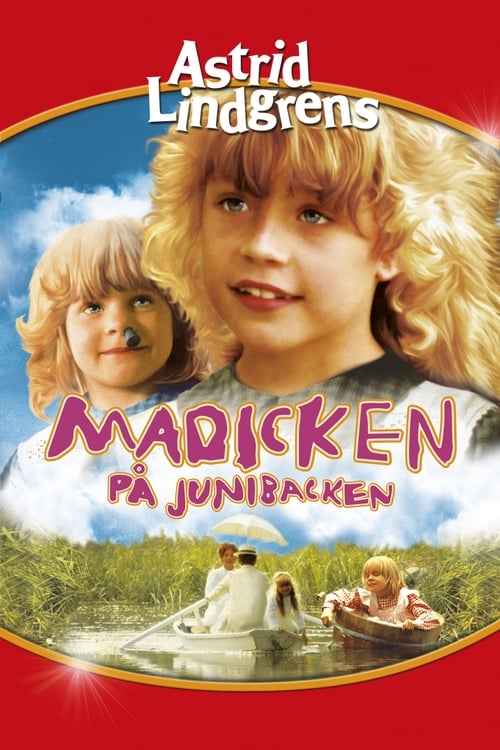
Madicken of June Hill is a period-specific character study that prioritizes historical authenticity over modern multi-layered frameworks. It succeeds in giving its female lead a significant role in driving the story, moving beyond the submissive clichés common in historical cinema. However, the film's lack of racial, LGBTQ+, and disability representation is a direct reflection of its 1910s Swedish setting. The narrative focuses on class distinctions and individual spirit rather than deconstructing systemic institutions. Ultimately, the film is a localized social portrait that remains firmly within the traditionalist bounds of its era.
Category Breakdown
The film adheres to the straight-centered social structures of early 20th-century rural Sweden. It contains no LGBTQ+ characters or non-cisgender identities.
Madicken serves as a spirited female protagonist who play a significant role in driving the story. She drives her own adventures, subverting the passive feminine clichés often found in period dramas.
The cast is ethnically homogeneous, reflecting the historical realities of 1910s Sweden. There is no evidence of intentional racial blending or multi-layered diversity.
The narrative explores socioeconomic stratification and class tension. It operates within a traditionalist framework where religious institutions serve as a central social pillar.
There is no discernible focus on visible or invisible disabilities. No characters are utilized as plot devices regarding physical or neurodivergent conditions.
Present on Screen
Limited or Absent
Official Synopsis
A second movie based on Astrid Lindgren's novel "Madicken och Junibackens pims", which is about two sisters and their adventures in 1910s Sweden.
1992
1969

1967

1970
1973
1971

1962
1972
No reviews yet. Be the first to share your thoughts on this movie!
Use the rating form above to leave a star rating and optional review.