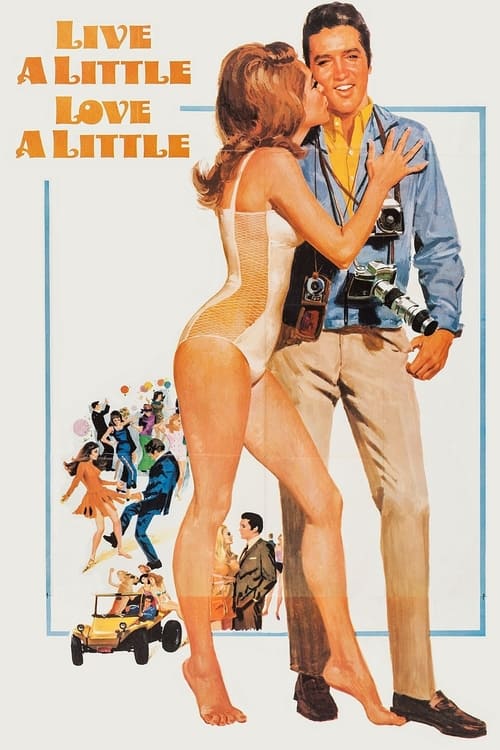
Live a Little, Love a Little
1968
No user ratings available yet
Representation score: 0.9 out of 10
Representation Score
Fair
1969
GDirector
Peter Tewksbury
Runtime
97 minutes
Average Rating
No ratings yetNew Showbiz Analysis
The film is a period-specific comedy that finds its strength in challenging traditional gender roles of the late 1960s. By portraying teenage girls as rebellious and rowdy, it moves away from the era's typical depictions of passive femininity. However, the film remains deeply tied to the social and demographic norms of its time. It lacks meaningful representation of racial, LGBTQ+, or disabled identities, resulting in a largely homogeneous narrative. Ultimately, the work prioritizes comedic conflict regarding the generation gap over any broader critique of power or social hierarchies.
Category Breakdown
The film does not include any LGBTQ+ characters or explore non-cisgender identities. Romantic elements adhere to the assumption that everyone is straight.
The story disrupts traditional gender roles by centering on a group of rebellious, rowdy girls who drive the plot's friction, rejecting passive femininity.
The production reflects the demographic homogeneity of its era. The cast is predominantly white British, with no meaningful exploration of diverse racial backgrounds.
The narrative uses the 'generation gap' as a comedic engine, focusing on adolescent anti-social behavior. This social friction is framed as lighthearted humor rather than a critique of societal norms.
There is no focus on neurodivergence, physical disabilities, or mental health issues. Characters are presented entirely within a standard able-bodied framework.
Present on Screen
Limited or Absent
Official Synopsis
Chautauqua manager Walter Hale and his loyal business manager struggle to keep their traveling troupe together in small town America.
1968

1962

1962

1963
1965
1954
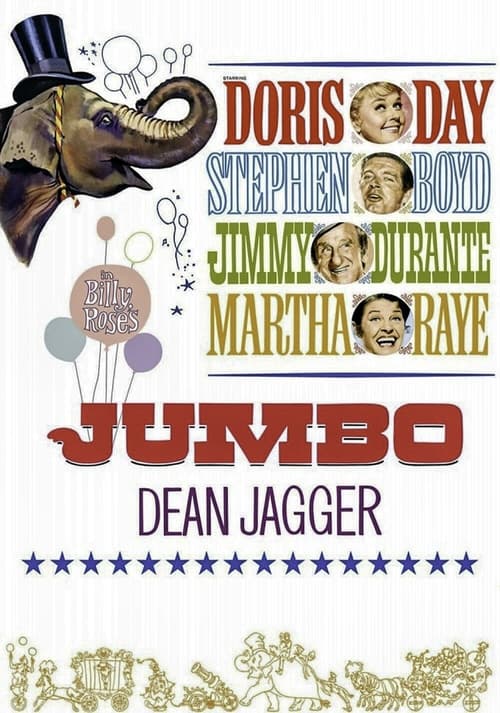
1962

1966
No reviews yet. Be the first to share your thoughts on this movie!
Use the rating form above to leave a star rating and optional review.