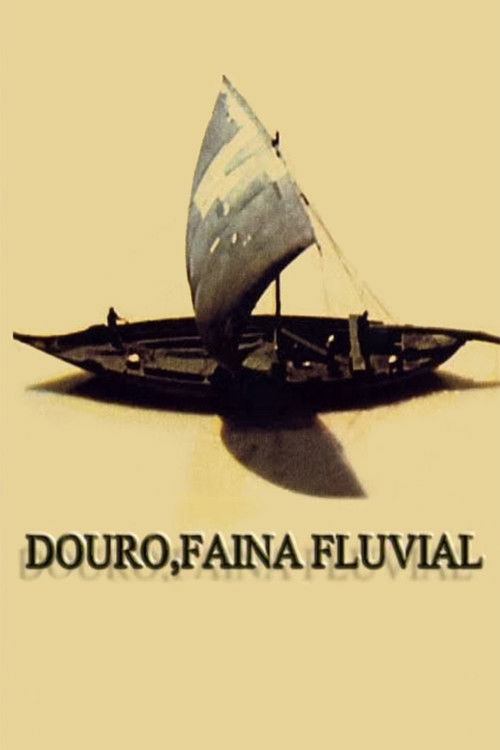
Working on the Douro River
1931
No user ratings available yet
Representation score: 1.4 out of 10
Representation Score
Minimal
1941
Director
Manoel de Oliveira
Runtime
24 minutes
Average Rating
No ratings yetNew Showbiz Analysis
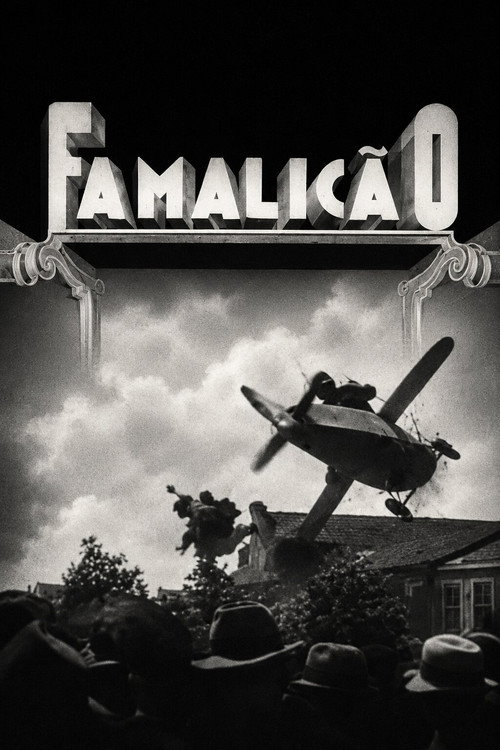
Manoel de Oliveira’s 1941 documentary is a localized observational study of a Portuguese town. It functions as a historical record of a specific geographic region rather than a narrative exploration of social identity. Constrained by the historical context of the early 1940s, the film prioritizes topographical and industrial observations. It lacks depth in exploring diverse social hierarchies. Ultimately, the work reflects the social fabric of its time, preserving traditional communal life rather than serving as a tool for social critique or representation.
Category Breakdown
The film does not include any characters or narratives that explore LGBTQ identities or non-straight relationships. Its observational style focuses on real-life events rather than identity-based stories.
The film likely depicts traditional gender roles and labor divisions typical of rural 1940s Portugal. It may reinforce conventional domestic and work roles within the community.
The subjects in the film appear ethnically uniform, reflecting the demographics of Northern Portugal during that period. It serves as a study of a specific region.
The documentary captures traditional European communal life, documenting existing religious and family structures without challenging them.
There is no information available to determine how individuals with disabilities are portrayed in the film. The documentary does not provide enough details about this category.
Present on Screen
Limited or Absent
Official Synopsis
Short documentary about the town of Famalicão, in the North of Portugal.
1931
2001
1956

1958
1934
1912
1950
1947
No reviews yet. Be the first to share your thoughts on this movie!
Use the rating form above to leave a star rating and optional review.