Betty in Blunderland
1934
No user ratings available yet
Representation score: 2.3 out of 10
Representation Score
Minimal
1940
ApprovedDirector
Rudolf Ising
Runtime
8 minutes
Average Rating
No ratings yetNew Showbiz Analysis
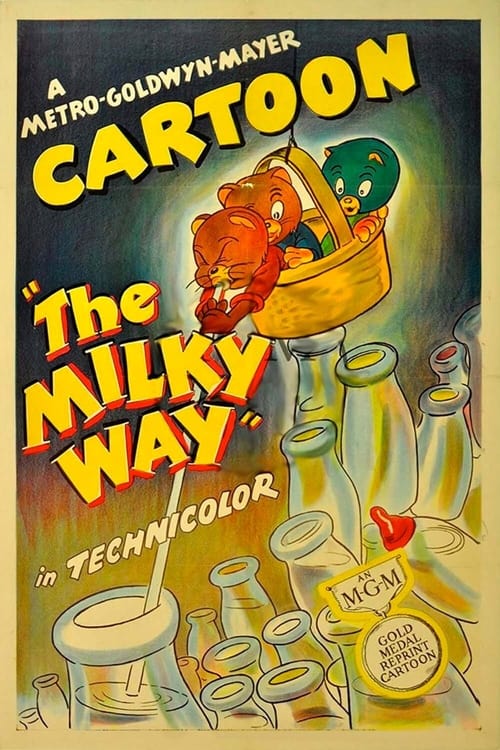
The Milky Way is a classic example of its time, serving as a traditional piece of escapist animation. Its narrative structure reinforces, rather than challenges, the social and moral hierarchies of the era. Using anthropomorphic animals allows the film to avoid overt racial stereotyping common in the period. However, this abstraction also prevents any meaningful engagement with diverse human ethnicities or multi-layered identities. Ultimately, the film focuses on whimsical storytelling and moral simplicity, avoiding the complexities of cultural or social critique.
Category Breakdown
The film doesn't include any depictions of LGBTQ+ identities or queer relationships. It sticks to the assumption that everyone is straight or cisgender.
The story follows a typical storyline with anthropomorphic kittens. It upholds traditional gender roles through a standard loss-and-consequence plot.
Identity is shown through animal characters, avoiding explicit racial stereotypes. However, this also means there's no meaningful representation of diverse human ethnicities or racial identities.
The story supports traditional Western values about discipline and parental authority. It provides a comforting, escapist fantasy that fits the social stability of 1940.
There are no visible or invisible disabilities shown. The characters are depicted as physically capable and neurotypical within the context of this animated short.
Present on Screen
Limited or Absent
Official Synopsis
The three little kittens have lost their mittens and are sent to bed without dinner. From their room, they see the Milky Way and sail up to it, using a basket and helium balloons, passing through some fanciful astronomical bodies, until they reach a Milky Way filled with every conceivable form of milk.
1934
1974
1937
1996
1933
1938
1958
2008
No reviews yet. Be the first to share your thoughts on this movie!
Use the rating form above to leave a star rating and optional review.