Help Wanted
1939
No user ratings available yet
Representation score: 1.2 out of 10
Representation Score
Minimal
1939
ApprovedDirector
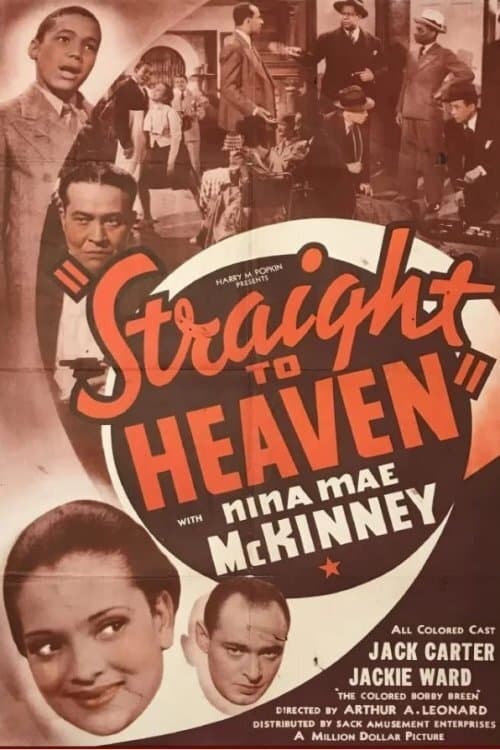
Arthur H. Leonard
Runtime
52 minutes
Average Rating
No ratings yetNew Showbiz Analysis
Straight to Heaven functions as a typical 1930s crime drama centered on industrial investigation. The narrative adheres to traditional detective formulas, focusing on a chemist's investigation into a specific brand of canned goods. While the Harlem setting implies a degree of racial inclusion, the film does not disrupt social hierarchies. Character dynamics follow the conventional standards of the era. Overall, the film lacks significant representation for women, LGBTQ+ individuals, or people with disabilities, reflecting the limited progressive scope of its time.
Category Breakdown
The film does not include any characters who identify as LGBTQ+. There are no narratives that question the assumption that everyone is straight or cisgender.
The story centers around male characters such as Jimmy and Joe. Women do not seem to have roles of intellectual or structural authority.
Setting the plot in Harlem suggests engagement with a Black community. However, it is unclear if characters of color play a significant role in driving the story.
The plot explores class dynamics through job loss and corporate investigation. It follows a standard investigative structure without challenging systemic issues.
No characters with visible or invisible disabilities are identified in the film's documentation.
Present on Screen
Limited or Absent
Official Synopsis
Singer Jimmy Williams' father Joe is a chemist who recently lost his job to George Elliott. Since then, Joe has been investigating the "Adam and Even" brand of canned goods sold in Harlem.
1939
1933
1943
1937
1937
1934
1936
1936
No reviews yet. Be the first to share your thoughts on this movie!
Use the rating form above to leave a star rating and optional review.