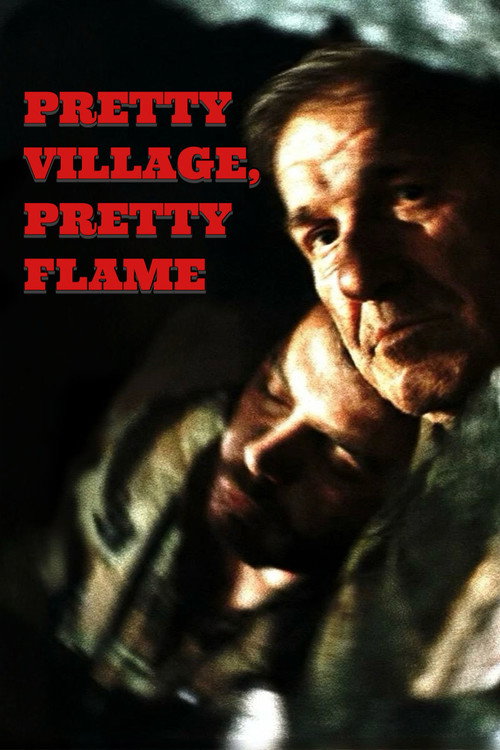
Pretty Village, Pretty Flame
1996
No user ratings available yet
Representation score: 5.6 out of 10

Representation Score
Good
2006
Director
Joaquim Leitão
Runtime
114 minutes
Average Rating
No ratings yetNew Showbiz Analysis
Purgatory is a period drama set in 1969 Mozambique that examines the breakdown of social and moral order during colonial times. It effectively challenges traditional holiday clichés by juxtaposing religious ceremony with systemic violence. While the film engages with the racialized hierarchies of the era, it lacks visible representation for LGBTQ+ identities or characters with disabilities. Gender dynamics are present but appear secondary to the central male-driven conflict. Ultimately, the film's strength lies in its deconstruction of institutional authority and the tension between spiritual ideals and the harsh realities of war.
Category Breakdown
The film does not include any explicit LGBTQ+ characters or narratives. The story centers around military tensions and religious figures, adhering to traditional structures.
The Captain's wife disrupts the masculine hierarchy, providing some influence but appearing reactionary to the male-dominated military environment.
Set in 1969 Mozambique, the film addresses colonial-era racial dynamics. The presence of a prisoner highlights power imbalances and colonial occupation.
The story contrasts a Priest with impending violence, critiquing traditional Christian values within a brutal war context.
There is no evidence of characters with physical or neurodivergent disabilities. The narrative focuses on military, religious, and interpersonal conflicts.
Present on Screen
Limited or Absent
Official Synopsis
Mozambique, 1969. What was meant to be a peaceful Christmas Eve ends up badly as a group of soldiers brings home a prisoner that will be murdered. Simultaneously, the Capitan's wife arrives in surprise, bringing along a Priest, who is supposed to celebrate the mass.
1996

2005
2002
2013
2016
2011
2012

2006
No reviews yet. Be the first to share your thoughts on this movie!
Use the rating form above to leave a star rating and optional review.