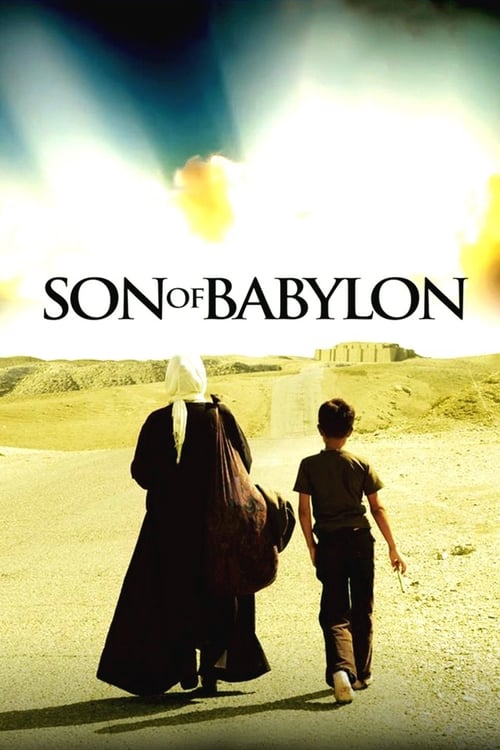
Son of Babylon
2009
No user ratings available yet
Representation score: 8.6 out of 10

Representation Score
Fair
2006
Director
Shawkat Amin Korki
Runtime
73 minutes
Average Rating
No ratings yetNew Showbiz Analysis
Crossing the Dust is a poignant critique of systemic failure during the 2003 fall of Saddam Hussein. It succeeds by centering the Kurdish experience and local ability to act, refusing to rely on foreign intervention or religious authority to resolve the central human crisis. The film’s strength lies in its deconstruction of institutional authority, showing how both the American military and religious leaders fail the most vulnerable. It highlights a survival-based morality that favors lived reality over imposed social orders. However, the film lacks representation for LGBTQ+ identities and provides no information regarding disability. The focus remains strictly on the sociopolitical and ethnic struggles of the immediate wartime environment.
Category Breakdown
The film centers on survival and shifting social hierarchies during wartime Iraq. It does not include any explicit LGBTQ+ characters or narratives focused on non-assuming gender matches what was assigned at birth identities.
The narrative disrupts traditional gender roles by focusing on a child's vulnerability and the shared experiences of two Kurdish men. It critiques the failures of male-dominated military and religious institutions.
The story is deeply rooted in Kurdish identity and the ethnic complexities of Iraq. It emphasizes the ability to act of local characters, avoiding white savior clichés by highlighting the inadequacies of foreign military interventions.
The film explores moral relativism by depicting religious and military institutions as ineffective in addressing human crises. It critiques how political and religious systems impose identity-based restrictions.
There is no specific evidence regarding the portrayal of physical or neurodivergent disabilities within the narrative.
Present on Screen
Limited or Absent
Official Synopsis
A road movie set in Iraq in 2003 during the fall of Saddam. Two Kurds are looking for the parents of a five-year-old boy who has been found in the street in tears. His name is Saddam too. At the same time the boy's parents are looking for him everywhere, worried because of the boy's name which is now taboo. All the attempts of the two Kurds to get rid of the child fail: neither the Americans nor the men of religion at the mosque want him. Little Saddam begins to become a real problem. In the streets and all around them, they are surrounded by the chaos and crazy atmosphere of those days, with violence always on the verge of exploding.
2009
2000
2006

2005
2005
2007
2002
2016
No reviews yet. Be the first to share your thoughts on this movie!
Use the rating form above to leave a star rating and optional review.