
Twilight
2005
No user ratings available yet
Representation score: 6.1 out of 10
Representation Score
Good
2011
Director
Sakari Kirjavainen
Runtime
112 minutes
Average Rating
No ratings yetNew Showbiz Analysis
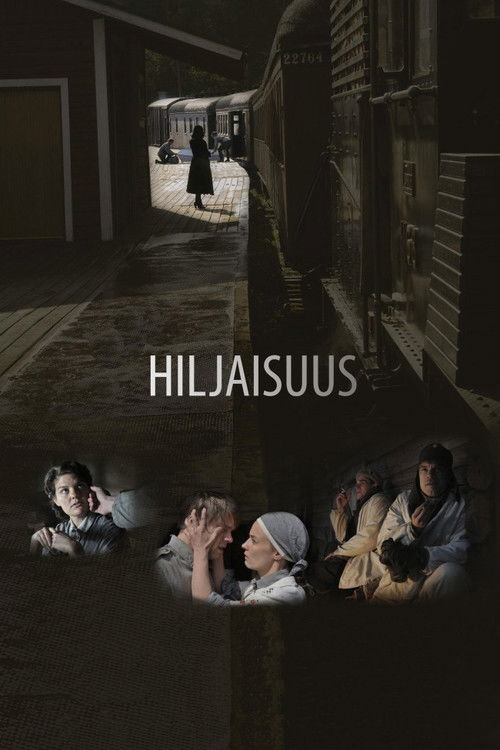
Silence is a localized historical drama that prioritizes period realism over modern multi-layered complexity. It succeeds in providing female characters with significant roles in traditionally male-dominated wartime logistics, offering a nuanced look at gendered labor during conflict. However, the film's scope is limited by its historical context. The narrative adheres to the social norms of 1940s Finland, resulting in minimal representation of LGBTQ+ identities and a lack of ethnic diversity. It functions more as a study of human mortality than a multicultural exploration. Ultimately, the film's strength lies in its psychological depth regarding trauma. While it lacks identity-driven narratives, it provides a meaningful look at the mental toll of war through its characters' existential struggles.
Category Breakdown
The film focuses on the grim realities of wartime repatriation. There is no explicit depiction of non-straight or non-cisgender identities, nor does it critique the assumption that everyone is straight or cisgender.
The narrative highlights the roles of both men and women working in assembly centers. By centering women in high-stakes logistical roles, the film challenges conventional expectations of gendered wartime labor.
Set in WWII-era Finland, the film reflects a relatively homogeneous population. The lack of diverse ethnic casting appears to be a reflection of the specific historical setting.
The story explores existential themes of heaven and hell rather than specific religious dogma. It remains a study of human endurance within a traditional Western wartime experience.
While no specific disabilities are identified, the film explores a psychological 'no-man's-land.' This suggests a potential focus on the invisible toll of mental health and trauma.
Present on Screen
Limited or Absent
Official Synopsis
A drama between people under unconventional circumstances. In the Second World War Finland was the only nation who brought casualties killed-in-action back to be buried at home. These actions were carried out by men and women working in assembly centres near enemy lines. Silence is a story of a group of people in a limbo between life and death, in a mental no-man's- land, where heaven and hell, horror and joy, love and fear touch each other.
2005

1977
1962
1959
2013
2001

2019
1965
No reviews yet. Be the first to share your thoughts on this movie!
Use the rating form above to leave a star rating and optional review.