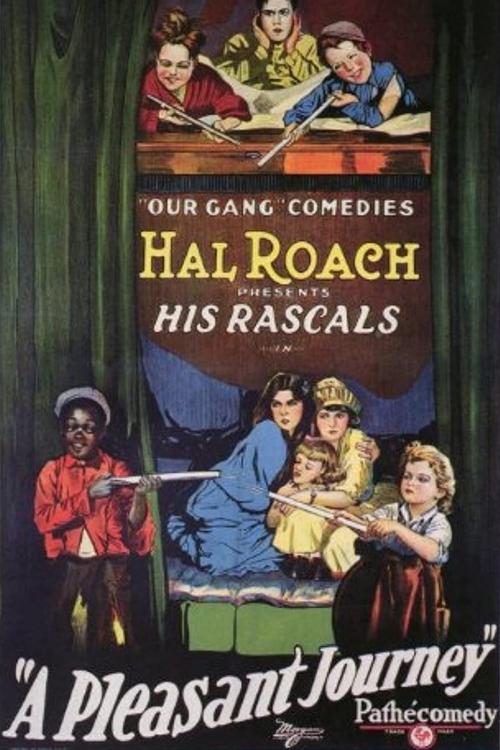
A Pleasant Journey
1923
No user ratings available yet
Representation score: 3.2 out of 10
Representation Score
Minimal
1932
NRDirector
Robert F. McGowan
Runtime
20 minutes
Average Rating
No ratings yetNew Showbiz Analysis
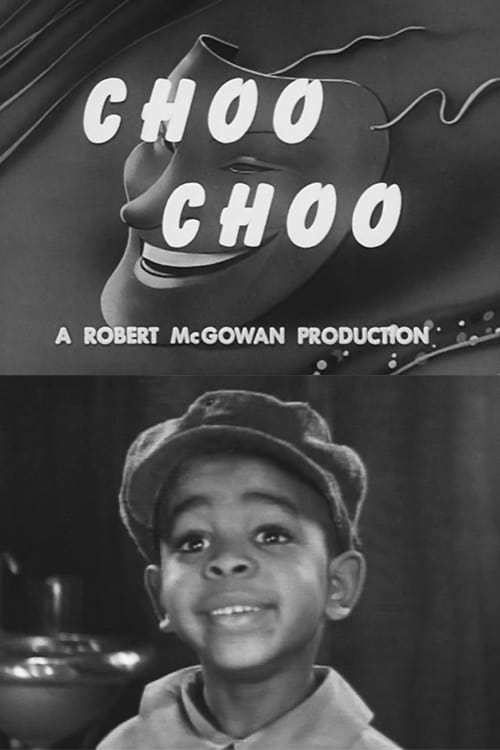
Choo-Choo! is a conventional situational comedy from the early sound era. It relies on the classic formula of identity exchange between a gang and a group of orphans. The film operates within the established social hierarchies and comedic structures of 1932. It prioritizes situational humor over any intentional disruption of systemic norms or multi-layered representation. Ultimately, the production reflects the standard, homogeneous casting and social frameworks of its time, offering little in the way of modern diversity or character-driven subversion.
Category Breakdown
The film does not include any LGBTQ+ characters or narratives. It follows the assumption that everyone is straight or cisgender, which was common in 1932 cinema.
The story revolves around a group of children, likely driven by youthful energy. There is no indication of challenging traditional gender roles or archetypes.
The film seems to follow the homogeneous casting practices typical of early 1930s Hollywood. There is no evidence of diverse characters taking significant roles.
The story centers on traditional social structures like orphanages and family bonds. It reinforces the social norms of the early 20th century.
There is no mention of neurodivergent characters or physical disabilities. Depictions of such conditions in this era often lacked independent character development.
Present on Screen
Limited or Absent
Official Synopsis
The gang trades places with a group of orphans about to take a train ride.
1923
1933

1923
1932
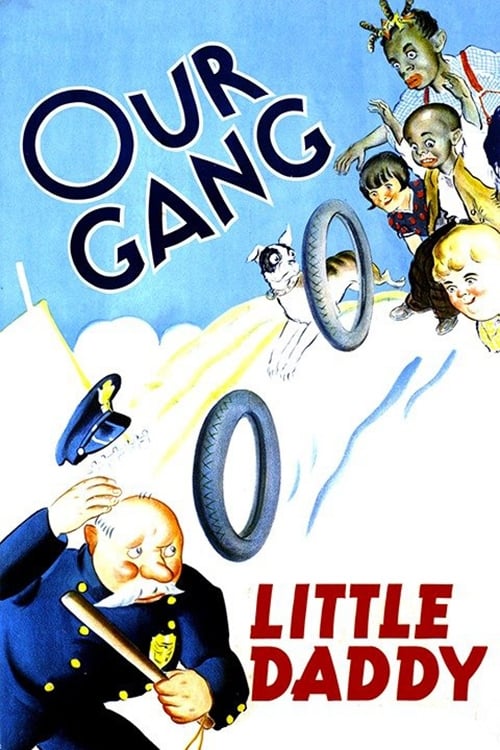
1931
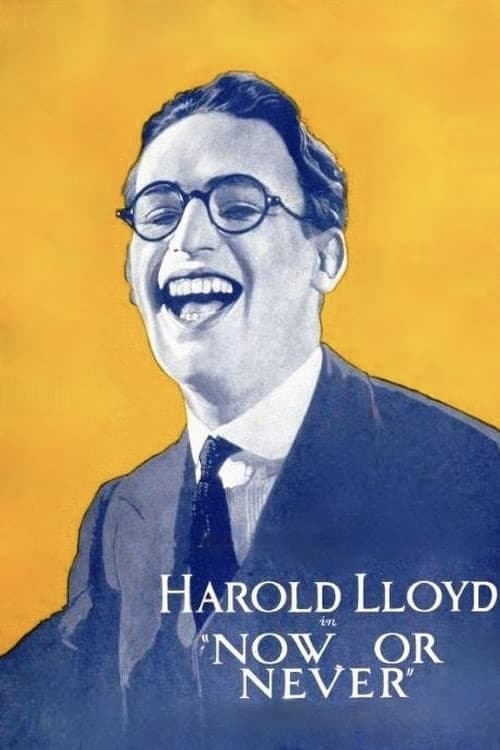
1921
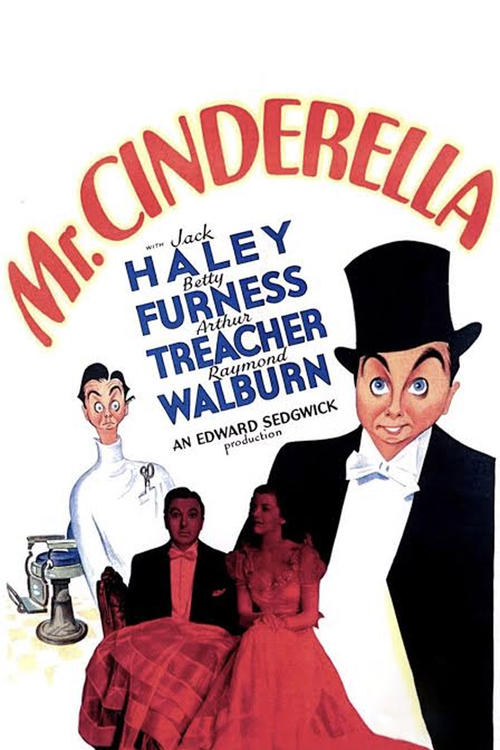
1936
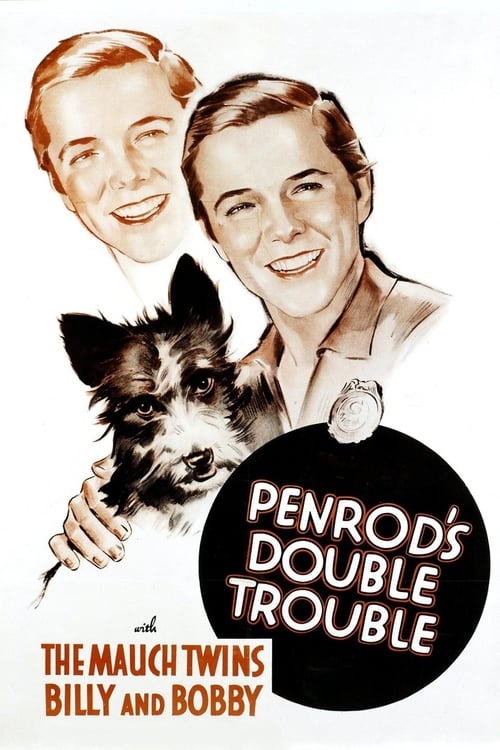
1938
No reviews yet. Be the first to share your thoughts on this movie!
Use the rating form above to leave a star rating and optional review.