
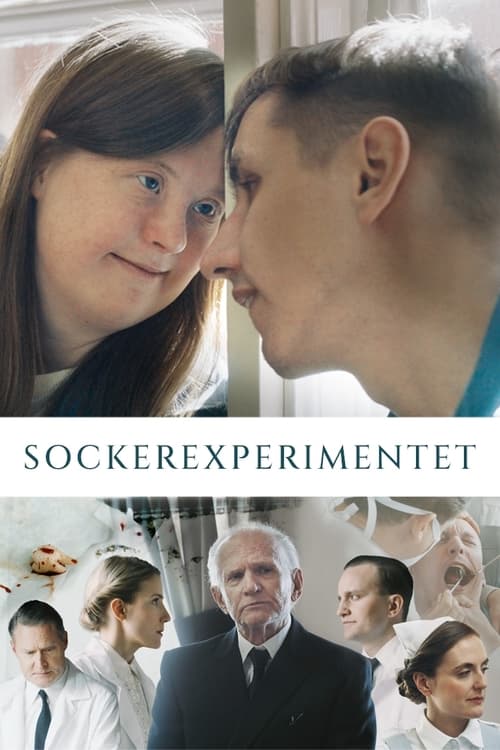
Nise: The Heart of Madness
2016
No user ratings available yet
Representation score: 8.1 out of 10
Representation Score
Fair
2023
Director
John Tornblad
Average Rating
No ratings yetNew Showbiz Analysis
The Sugar Experiment serves as a powerful historical critique of institutional power. It shifts the focus from scientific achievement to the systemic exploitation of vulnerable populations during the Vipeholm experiments. While the film lacks explicit LGBTQ+ or racial diversity due to its specific Swedish historical context, it excels in its examination of power. It uses the medical establishment as a lens to explore how progress can be achieved through dehumanization. Ultimately, the film's strength lies in its refusal to romanticize the mid-century era. It highlights the protection of underrepresented identities against state-sanctioned harm, aligning with progressive values.
Category Breakdown
The film does not include any explicit mention of LGBTQ+ characters or themes. The narrative focuses on historical medical atrocities rather than exploring identity-based issues.
The film potentially challenges mid-century gender roles by centering defenseless patients. This disrupts traditional masculine authority and the stereotype of the competent scientific leader.
The 1940s Swedish setting implies a homogeneous population. The narrative emphasizes the ethics of marginalizing individuals based on capacity rather than racial diversity.
The film strongly critiques Western institutional authority. It portrays medical establishments as predatory and corrupt, challenging the idea of benevolent state intervention.
Disability is the main focus of the film. It centers on the lived experiences of patients, avoiding inspirational stories to highlight the loss of bodily autonomy.
Present on Screen
Limited or Absent
Official Synopsis
About Vipeholmsanstalten in Lund, Sweden, and the experiments that during the 40s and 50s were carried out on mentally and physically handicapped patients, to investigate the effect of sugar on the teeth, this at a time when tooth decay was a major problem in dental health in Sweden. By force-feeding the patients at Vipeholm a kind of extra-sweet caramel in large quantities, the experiments revolutionized research, while the defenseless patients had to take the hit for it.
2016

2016
1997
2017

2016

1967

1967

2015
No reviews yet. Be the first to share your thoughts on this movie!
Use the rating form above to leave a star rating and optional review.