The Immortal Life of Henrietta Lacks
2017
No user ratings available yet
Representation score: 8.5 out of 10
Representation Score
Good
1997
PGDirector
Joseph Sargent
Runtime
118 minutes
Average Rating
No ratings yetNew Showbiz Analysis
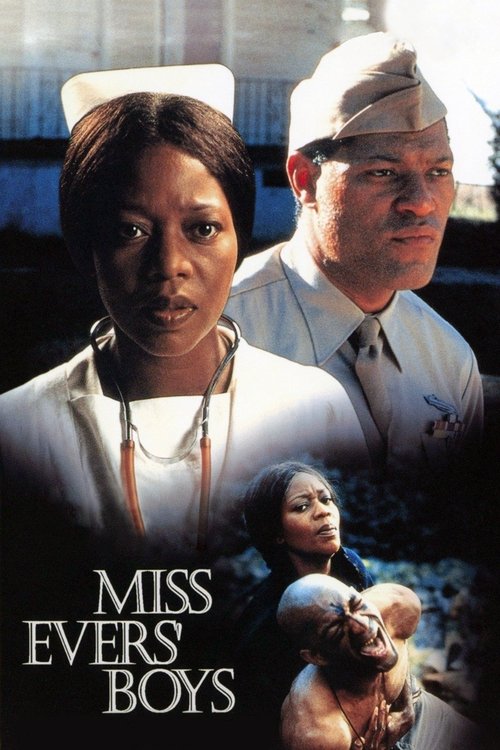
Miss Evers' Boys is a powerful historical drama that centers the humanity of Black subjects caught in a systemic medical betrayal. By prioritizing the lived experiences of the underrepresented over the medical establishment, the film successfully deconstructs institutional power structures. The narrative's strength lies in its refusal to treat its subjects as mere clinical data. Instead, it provides depth and dignity to the Black men involved, while using Eunice Evers to bridge the gap between the community and the institution. While the film lacks LGBTQ+ representation and focuses on a specific historical era, its critique of systemic racial and institutional exploitation is profound and deeply humanizing.
Category Breakdown
The film focuses strictly on the historical medical study and interpersonal dynamics within the 1930s Black community. There are no LGBTQ+ characters or representations of non-straight relationships.
Eunice Evers serves as a central figure with significant moral decision-making. The narrative highlights her struggle against a male-dominated medical hierarchy, challenging traditional submissive roles.
An almost entirely Black cast reflects the historical reality of the Tuskegee study. The film gives real power to Black male participants, presenting them as complex human beings.
The film rigorously critiques Western institutional integrity. It portrays American medical and governmental systems as corrupt through their betrayal of vulnerable populations.
The plot centers on the physical deterioration and chronic illness of the subjects. It avoids sentimentality by treating physical decline as a consequence of systemic neglect.
Present on Screen
Limited or Absent
Official Synopsis
The true story of the US Government's 1932 Tuskeegee Syphilis Experiments, in which a group of black test subjects were allowed to die, despite a cure having been developed.
2017

1993

2016
2004

1980
1963

2024

2013
No reviews yet. Be the first to share your thoughts on this movie!
Use the rating form above to leave a star rating and optional review.